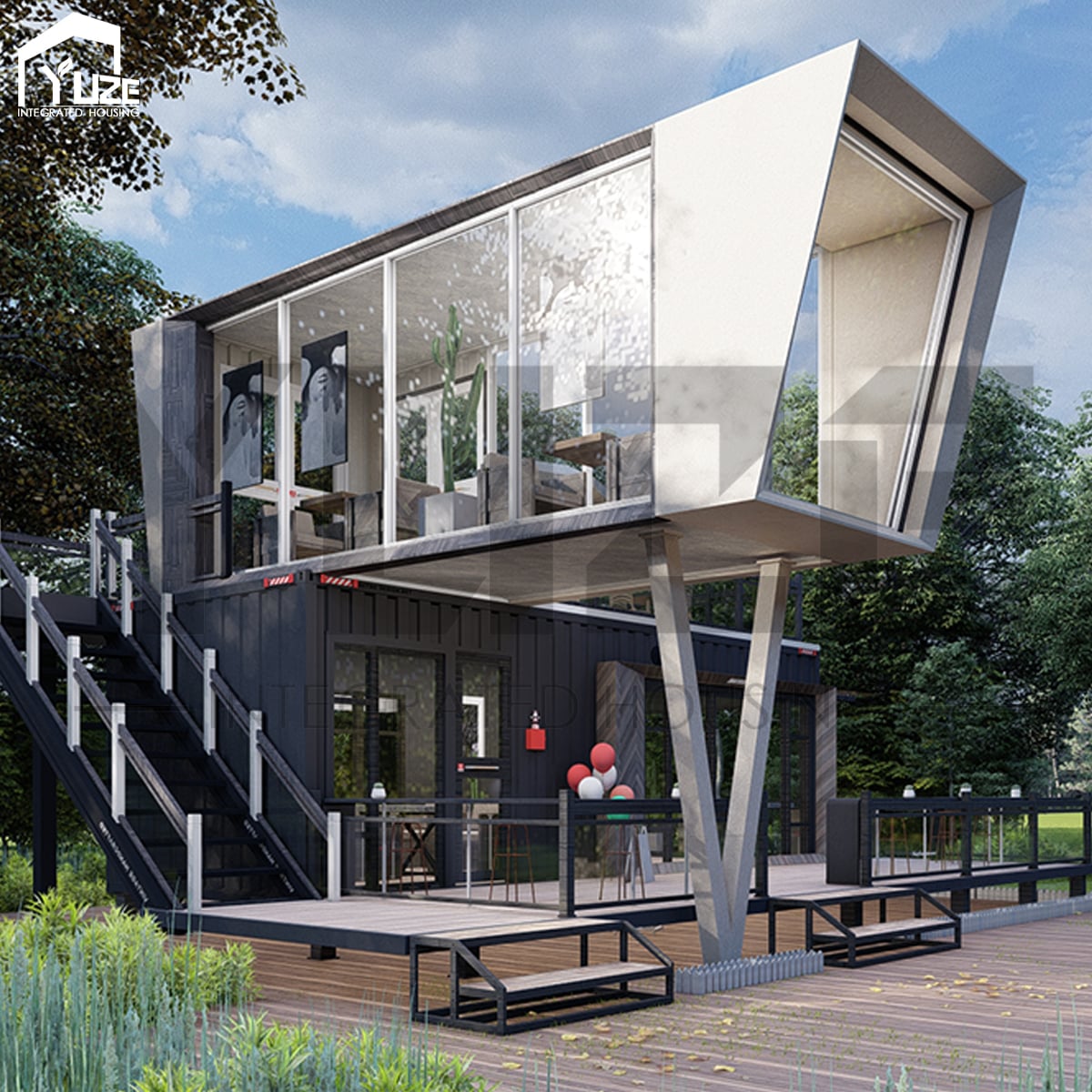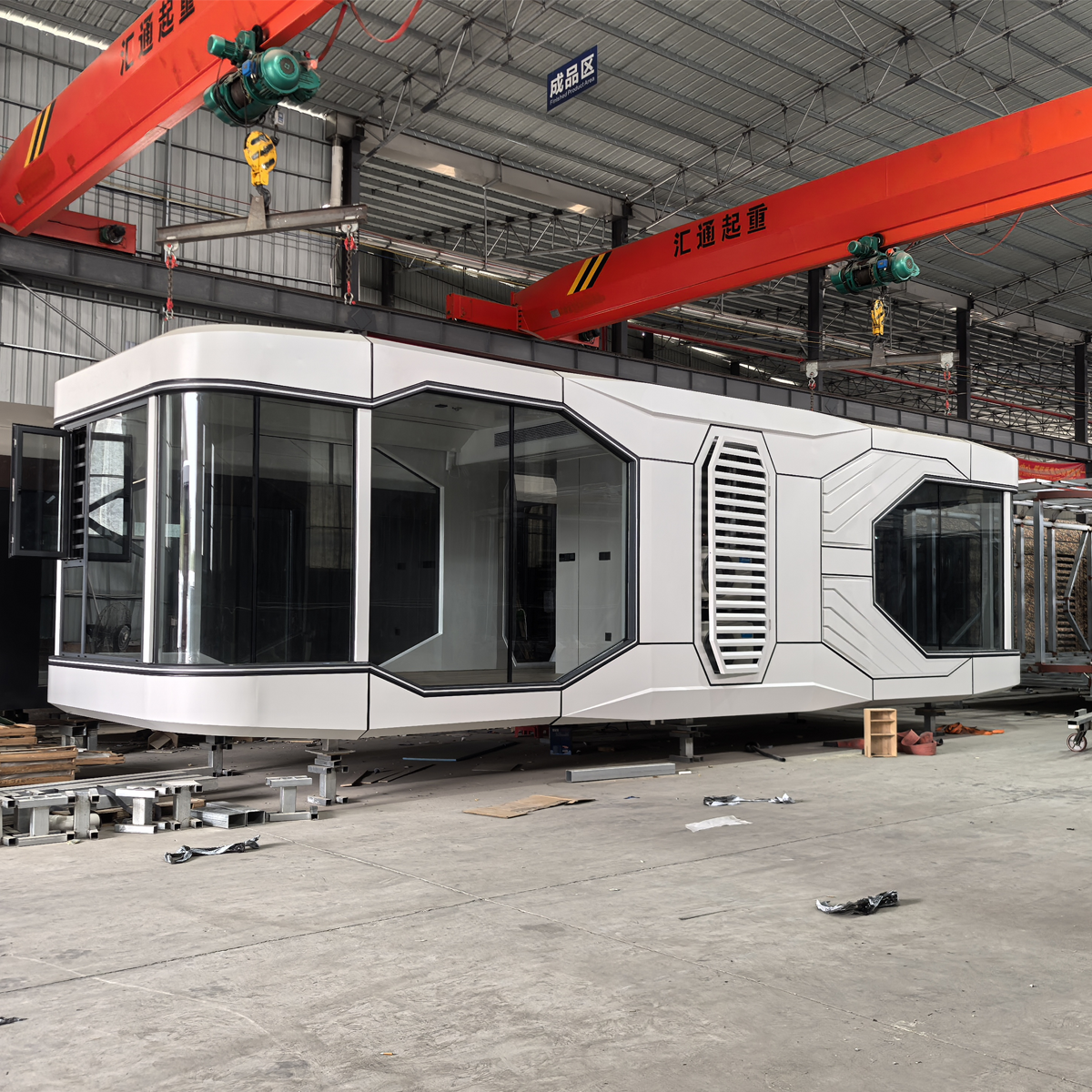
The ICC/MBI 1200-2021 standard covering design and construction of modular buildings along with 1205-2021 for inspection and certification set out basic rules for building houses off site. These guidelines cover everything from initial plans all the way to actual manufacturing and making sure everything meets regulations. Both were released back in December 2021 by the International Code Council working together with the Modular Building Institute. They address some serious issues that have plagued oversight of factory made homes for years. While these standards work alongside existing codes like the International Building Code and International Residential Code, they aren't meant to replace them completely. Instead, they serve as reference materials designed to fill in missing pieces and ultimately make navigating the complex web of building regulations much easier for everyone involved.
By 2024, twelve states across America had incorporated either standard 1200-2021 or 1205-2021 into their laws or regulations, often as another way to comply with requirements from IBC/IRC Chapter 34. But this isn't happening evenly everywhere. Some places only use these standards for certain kinds of projects like apartment buildings or low-cost housing developments. Other states want builders to follow both the new standards and whatever local rules they already have in place. Because of how patchwork this all is, a factory-built home that passes inspection in Idaho might not get approved in Maine. Not because there's anything wrong with the construction itself, just because different areas enforce things differently. These standards were created to make inspections and certifications more consistent nationwide. However, since they're still pretty new, developers working on cross-state projects need to deal with checking off two sets of rules until most regions catch up and adopt them consistently.
The ICC/MBI 1205-2021 standard is changing where quality checks happen for construction projects. Instead of relying on inspections at the actual building site, most of these checks now need to take place back at the manufacturing facility. Around seventy to ninety percent of all code requirements must be verified while parts are being made, and this has to be done by inspectors who work for agencies accredited either by ICC or MBI. What does this actually cover? Think about things like how different structural pieces connect together, whether fireproof walls meet standards, if air ducts won't leak, and if electrical systems are properly grounded. All these important details get checked off the checklist long before any module ever arrives on site for assembly.
On-site inspections are thus narrowed to three critical interface domains:
The new standard 1205-2021 clears up those confusing gray areas between what factories and fields are responsible for, which used to hold up approvals all the time. Think about arguments over who checks if fire stopping is properly done at the joints where modules connect. Now enforcement relies on actual paper trails with timestamps showing when work was completed in the factory, all recorded in the manufacturer's quality control documents. Companies that have implemented this system report getting buildings ready for occupancy around 22 days faster than before according to some recent industry research from the Modular Building Institute in their 2023 survey on compliance issues.
When comparing building codes across borders, there's a clear divergence between how the International Building Code (IBC) Chapter 34 and Canada's National Building Code (NBC) Part 9 approach modular construction. The IBC takes a much more progressive stance, viewing modular units not just as temporary solutions but as actual engineered components suitable even for skyscrapers classified as Type I-A construction. But this only works if builders can prove through testing that these modular approaches perform just as well as traditional construction methods. What makes this possible? Modular designs allow for something called volumetric stacking where entire sections fit together like puzzle pieces. They also make it easier to incorporate those essential mechanical, electrical, and plumbing (MEP) systems within the walls themselves. Plus, architects can integrate fire-resistant materials directly into building facades. These innovations are particularly valuable in crowded city environments where space is at a premium.
NBC Part 9 takes a different approach altogether with its strict low-rise limitations. The code basically says factory built modules can only go into buildings of three floors max, and limits what kind of materials can be used structurally to either wood frame or light gauge steel. What makes this really problematic is that Part 9 doesn't actually treat modular units as proper assembled systems when it comes to resisting lateral forces. Instead, everything gets analyzed based on traditional site built construction methods. This leads to some serious regulatory issues. Take for instance a modular housing system that's been approved under IBC Chapter 34 for a 12 story building in New York City. If someone tried to build the exact same design in British Columbia following NBC Part 9 rules, they'd have to completely redesign the whole thing from scratch. That means adding extra on site bracing and fire stopping measures just to meet local requirements. Attempts to get these jurisdictions aligned are still in early stages, and there isn't even a formal agreement between the Canadian Commission on Building and Fire Codes (CCBFC) and the International Code Council (ICC) regarding mutual recognition of standards.
Conventional building codes assume continuous, sequential on-site construction—making them ill-suited for volumetric modular assemblies. Three systemic disconnects persist:
The existing regulatory gaps force engineers to create extra equivalency studies, which usually means running finite element models and doing physical mock-ups just to get approval from local building departments. Looking at data from the SEAOC Modular Construction Task Force in their 2023 report, around 7 out of 10 projects needed special engineering workarounds. This adds roughly three weeks to the standard plan review process, creating real delays for developers trying to bring modular structures online quickly. The numbers highlight how challenging it can be when off-the-shelf solutions don't fit within traditional building codes.
The CSA A277 standard for evaluating prefabricated buildings works alongside ANSI/MBI 1200-2021 and 1205-2021 as separate but related certification systems throughout North America. In Canada, CSA A277 handles factory certifications by looking at how well manufacturers control their processes, track materials through production, and maintain oversight from outside experts. Meanwhile the ANSI/MBI standards take different approaches. The 1200-2021 version deals mainly with checking if building designs meet safety requirements and perform structurally as intended. Then there's 1205-2021 which gets into the weeds about how thorough inspections need to be and whether all the paperwork is properly maintained throughout construction projects.
In 2022, mutual recognition pilot programs got underway between CEN, the European Committee for Standardization, and various North American standards organizations. These initiatives focus on bringing consistency to two major areas where standards differ significantly. The first area is structural load testing protocols, specifically looking at EN 1991-1-1 versus ASCE 7-22 guidelines. The second involves seismic resilience requirements, particularly around drift limits and how connections behave under stress. According to findings from the 2023 Modular Industry Cost Benchmarking Study, these efforts have already cut down cross border validation expenses by about 30%. There's still work to be done though, especially when it comes to tracking materials. Under EU Regulation number 305/2011, every component needs digital documentation that can be linked through things like BIM-connected QR codes. Meanwhile in the US and Canada, paper records are generally acceptable unless local regulations demand something different. This difference creates ongoing challenges for companies operating across borders.
UL 2600, known as the Standard for Fire Resistance Tests of Modular Building Assemblies, stands out as the sole standard created specifically to assess fire performance at module interfaces. Traditional fire testing methods usually look at individual walls or floor-ceiling combinations, but UL 2600 actually checks what happens to hidden spaces, particularly those vertical gaps between stacked modules when exposed to fire. Modules that pass certification tests can keep their compartment integrity intact for around 90 minutes or more. This beats standard site built structures by about 25%, according to recent controlled burns run by Underwriters Laboratories back in 2024. The extra protection makes these modular systems much safer in real world applications.
The validation process really matters when it comes to safety in buildings. When installing things like emergency escape hatches and stairwell enclosures ahead of time, these components need to still work properly even after the building has been subjected to simulated damage. Think about what happens if there's something like a one inch sideways shift or half inch drop in certain areas. The factory makes sure everything fits together nicely for fire stopping at connection points, no doubt about that. Still, nobody can skip checking things out once they're actually installed on site. This is especially true around those tricky spots where wires run through walls, pipes pass through floors, or air ducts cut across fire rated sections. Just because something meets UL 2600 standards doesn't mean inspectors can take a break. Instead of testing whole systems again and again, field checks should focus on making sure all those seals are intact and penetrations are properly protected.
The rules for modular houses aren't really set by national standards but rather depend heavily on how different jurisdictions interpret them. This creates something of a confusing patchwork situation where various legal approaches clash together. Take California as an example. Their Housing and Community Development department has basically taken control through what's called statutory preemption. Any modular home unit wanting to be sold or put up there needs factory approval from HCD first before any city officials even get involved. This approach puts most of the regulatory power at the state level, speeds things up for permits, and stops local governments from adding their own requirements about energy efficiency or earthquake resistance that might contradict each other.
The Ontario Building Code goes in a completely different direction compared to other codes. Division B sets the standard technical specs as usual, but things get interesting with Division C, which has specific rules just for modular buildings. The code actually requires certain checks to happen right at the construction site, not just relying on what was certified in the factory. We're talking about things like how modules attach together, their ability to withstand strong winds, and proper fire stopping between sections. This extra step of getting two separate approvals basically shows that the province wants to be extra careful about how these building components connect and work together in practice.
The idea of reciprocity works on paper but falls flat in reality across North America. Eighteen U.S. states have joined the ICC's Modular Building Recognition Program, which means manufacturers certified in one state don't face redundant inspections when operating elsewhere. However, these same states won't automatically approve projects that cross into neighboring states, much less provinces or countries. For developers working on multi-jurisdictional projects, this creates a headache requiring careful checks through federal, state, and local regulations before moving forward with any construction plans.
Without this layered assessment, projects risk stop-work orders, redesign penalties, or rejected occupancy permits—costing an average of $187,000 per delay, according to the 2024 Modular Construction Risk Index.

Guangzhou Yuze Integrated Housing Co., Ltd.
Copyright © Guangzhou Yuze Integrated Housing Co., Ltd. - Privacy policy

 EN
EN