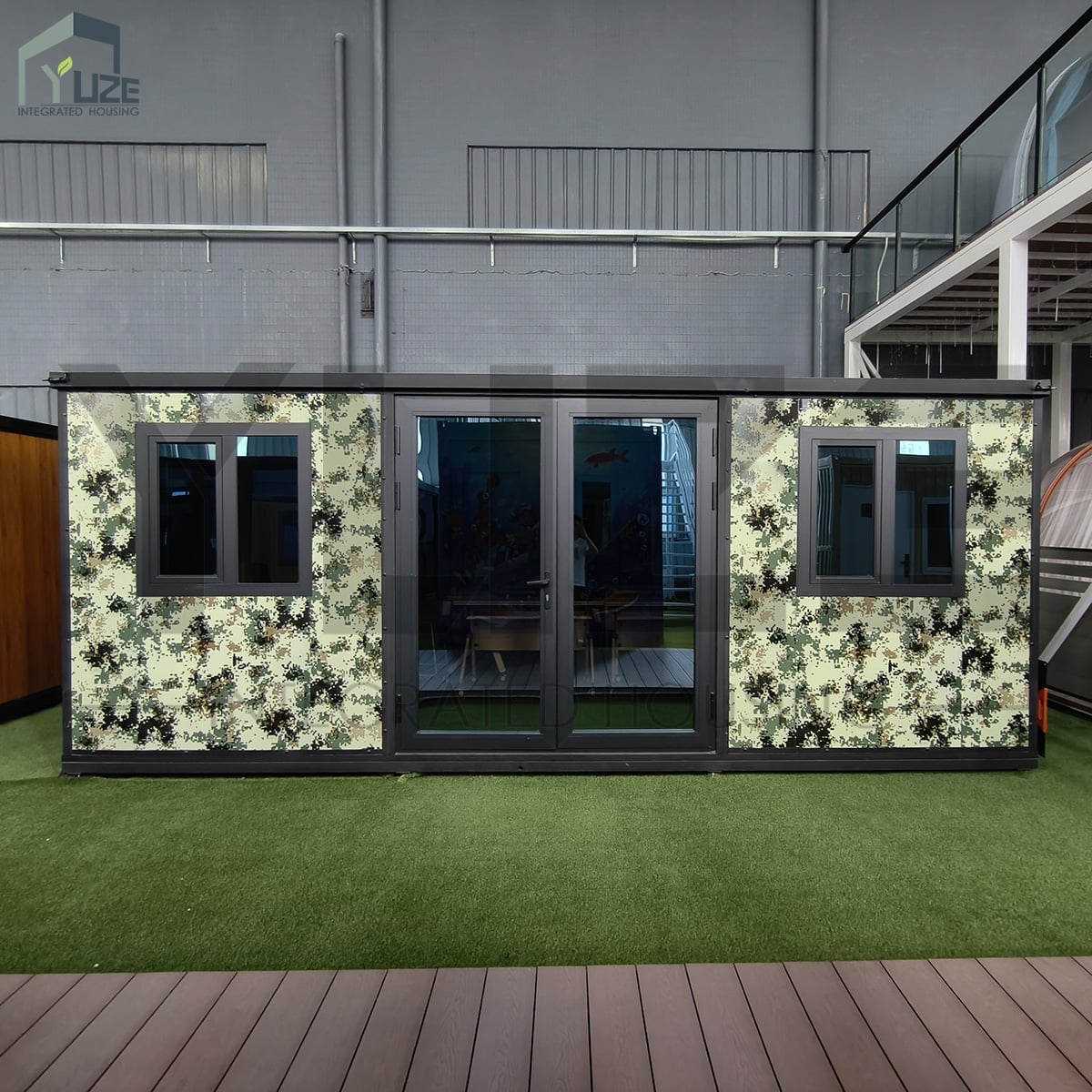
The standard 20 foot shipping container has exterior dimensions of around 20 feet long by 8 feet wide and stands about 8.5 feet tall. Inside there's roughly 7 feet 8 inches of space across both width and height. When we look at the 40 foot version, it simply doubles in length while keeping that same 8 foot width inside. Both types use corten steel which resists rust pretty well, but they behave differently structurally. The smaller 20 footer can hold up to about 60,000 pounds total weight and stays rigid even if someone cuts into the walls for modifications. Things get trickier with the longer 40 footer though. It actually holds more weight at around 67,200 pounds, but suffers from about 2.3 times more twisting force while being transported. This means mechanics need to check all those welds carefully, and many times install extra steel bracing whenever someone wants to put in windows or doors through the sides.
Complying with the International Residential Code (IRC) really comes down to getting three main things right: making sure there's at least 7 feet of clear space between floors in living areas, having proper foundation designs, and meeting all the egress and fire safety rules. The standard container size has an internal height of around 7'8", but once builders factor in insulation layers, framing materials, and finish work, this often falls short of code requirements. That makes ceiling height one of those tricky spots in container home projects. Larger 40 foot containers actually place about 30% more pressure on foundations compared to their smaller 20 foot counterparts, which is why many local governments insist on custom foundation engineering for these units. Things get even more complicated when multiple modules are involved. About two thirds of U.S. counties treat these multi-container builds as commercial structures rather than residential ones, which means dealing with tougher building standards, accessibility rules, and sometimes mandatory fire sprinkler systems. For properties near coasts or flood plains, putting containers directly on the ground might not be allowed at all. And let's not forget the fire safety stuff either. Requirements like using special flame resistant insulation and installing extra escape windows can easily tack on another $3 to $7 thousand to construction costs. These fire safety measures need careful checking against local regulations long before any actual construction starts.
A standard 20 foot shipping container converted into housing measures around 160 square feet total space, which actually works pretty well for someone living alone these days. The trick to making it functional rather than feeling cramped comes down to smart design choices. Vertical storage solutions combined with furniture that folds away can free up about a third of what would otherwise be wasted floor space. Open layouts remove those pesky walls between areas so one room serves multiple purposes at once. Think about how a central kitchen counter could also function as both work station and dinner table when needed. And don't forget about lighting tricks either. Proper placement of windows along with reflective surfaces inside creates the illusion of bigger spaces without messing up insulation properties too much.
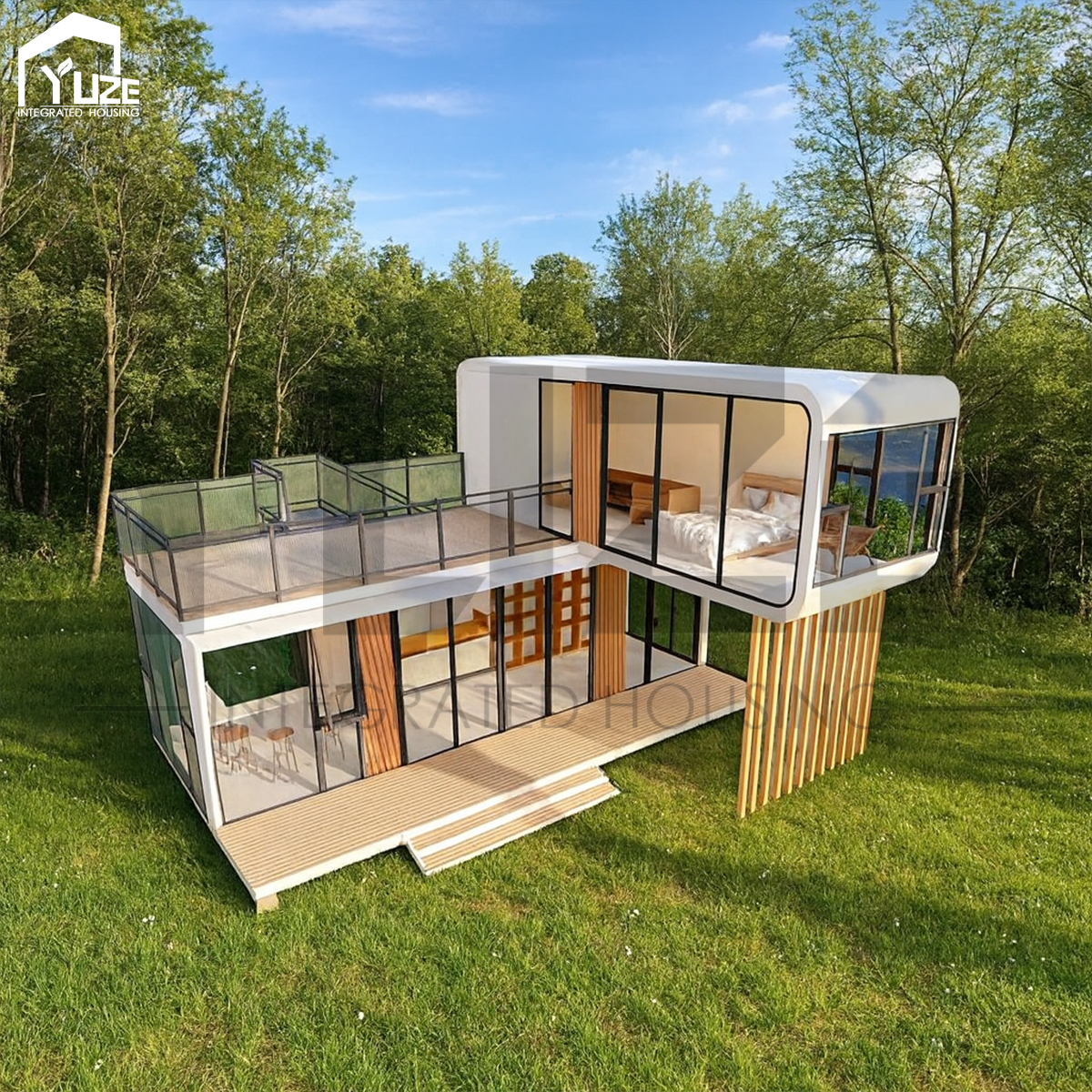
A standard 40 foot shipping container offers around 320 square feet of living space which makes it possible to create real home environments inside. When we divide up the interior with proper walls that block noise and meet fire safety standards, people get private sleeping quarters while still maintaining open spaces where everyone can hang out together. Putting kitchens and bathrooms near each other along the same plumbing line cuts down on both materials needed and work hours required for installation somewhere between 18% to maybe even 25%. The length of these containers also happens to match regular room sizes found in most houses today. This means designers can play around with different layouts depending on what someone wants. Two units placed next to each other work great as separate apartments within one building. Stack them vertically if making a two story house is the goal. Or combine with a smaller 20 footer container to make special areas like offices or extra bedrooms for guests visiting from time to time.
Basic 20 foot container homes generally start around the $40,000 mark and usually don't go much past $80,000. Fully outfitted 40 foot versions tend to range anywhere from $80,000 all the way up to over $180,000 according to SteelPRO's latest figures from 2024. When it comes to price per square foot, containers still hold a clear edge. Most container conversions come out to roughly $100 to $300 per square foot compared with traditional building methods that clock in at about $500 to $600 per square foot as reported by Zn-Meox in their 2025 study. What really drives up the final tab? Structural changes needed for habitability run between $5,000 and $15,000 on average. Then there's the matter of making these metal boxes comfortable year round which adds another $8,000 to $20,000 for proper insulation and heating systems. Foundations also vary quite a bit depending on size. Smaller 20 foot units need about $3,000 to $10,000 worth of groundwork while larger 40 foot models require significantly more investment ranging from $7,000 to $18,000 due to heavier loads and more complicated site preparation requirements.
Building times for container homes cut down dramatically compared to regular houses. Most projects take around 8 to 12 weeks while traditional construction often drags on for half a year or more according to Elite Container Homes research from last year. For smaller spaces like artist studios or those extra rooms that go behind fences (what everyone calls ADUs these days), a single 20 foot container usually gets finished within 6 to 8 weeks when there's not much need to rearrange inside. When working with the bigger 40 foot containers though, expect the process to stretch out between 10 and 16 weeks. But this longer wait pays off because these larger units offer way more freedom. People can create separate bedrooms and bathrooms, build loft areas above ground level, and even stack multiple containers together or combine them side by side depending on their space requirements. Some folks mix 40 footers with 20 foot ones too for unique layouts that fit specific needs.
| Feature | 20ft Container House | 40ft Container House |
|---|---|---|
| Build Time | 6–8 weeks | 10–16 weeks |
| Customization Level | Low–Moderate | High (multi-module options) |
| Ideal Use Case | Studios/ADUs | Family homes/offices |
Yes, shipping containers can be stacked to create multi-story structures, using steel bracing and careful engineering to ensure safety and stability.
Insulation adds thickness to the walls, which reduces the internal space slightly. Builders need to factor in insulation during the design phase to meet energy efficiency and code standards without compromising on space.
Yes, building with shipping containers can be more cost-effective than traditional construction methods. While the initial costs for containers might be high, savings come from reduced construction times and lower per-square-foot costs. However, customization and regulatory compliance can add to the total cost.

Guangzhou Yuze Integrated Housing Co., Ltd.
Copyright © Guangzhou Yuze Integrated Housing Co., Ltd. - Privacy policy

 EN
EN