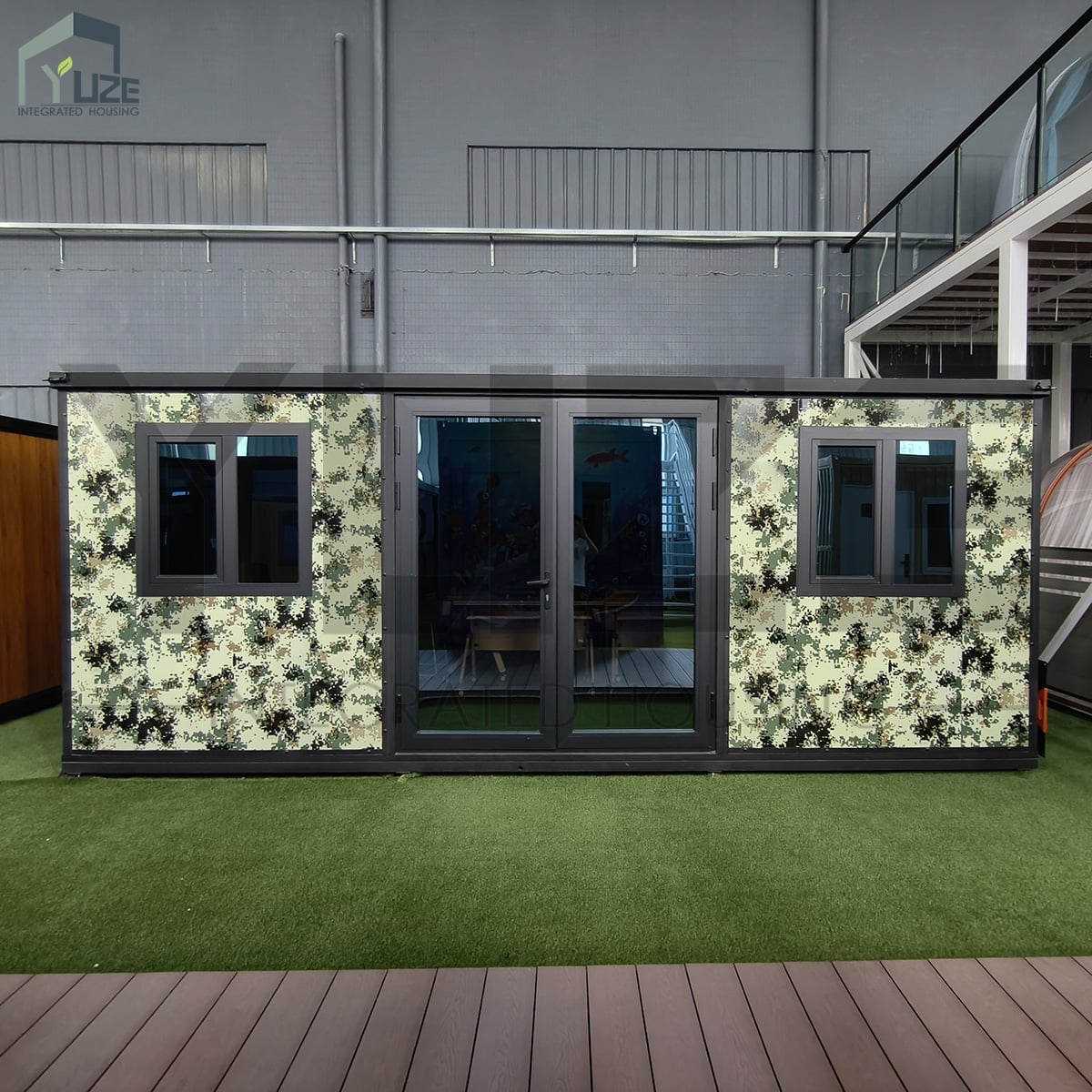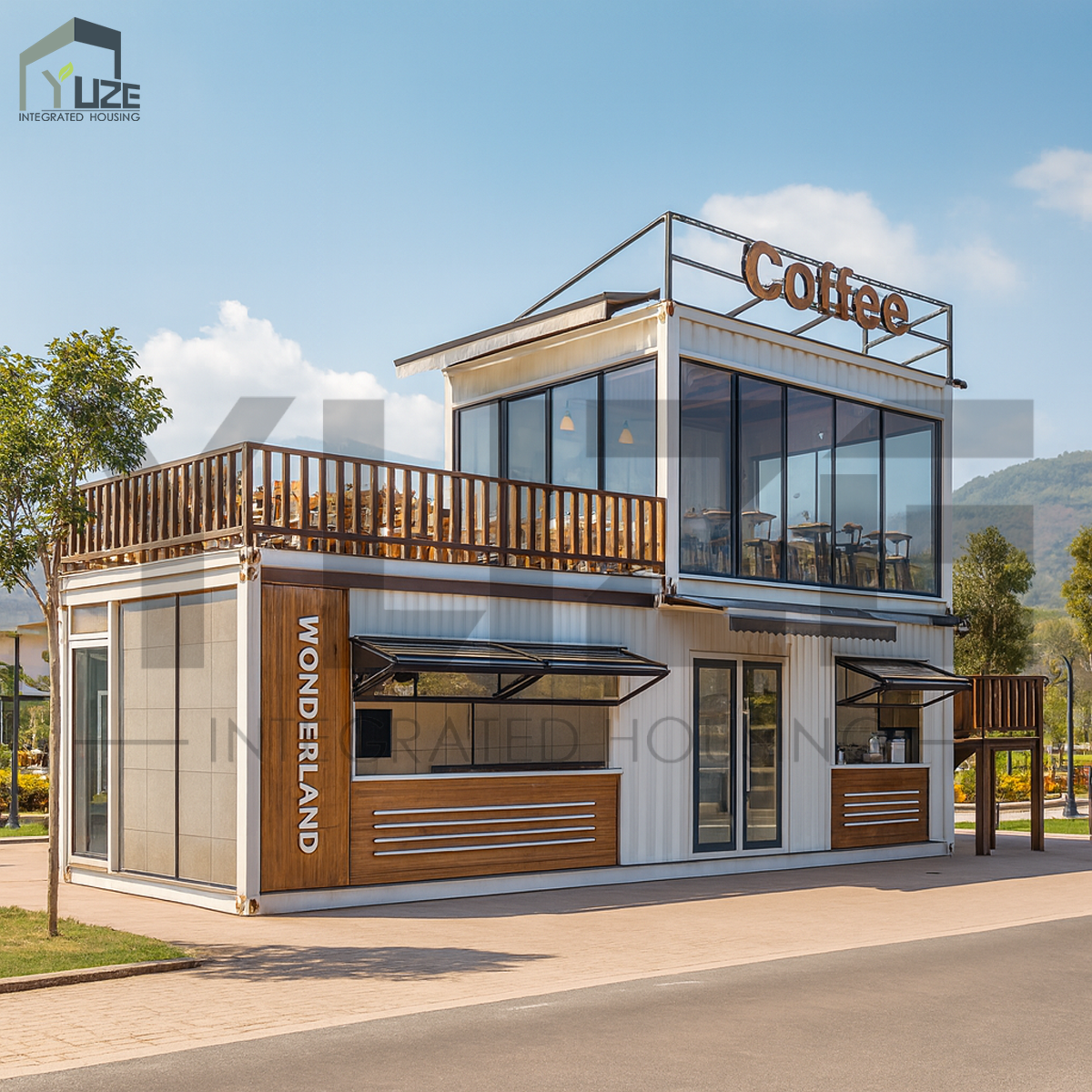
Capsule houses made in factories cut down costs per unit because they follow standard procedures during manufacturing, and this advantage gets even bigger when companies order lots of them at once. The automated assembly lines make sure materials get used efficiently, cutting waste somewhere around 15 to maybe 25 percent compared to building stuff on location according to Modular Building Institute research from last year. When manufacturers place big orders, they can actually get cheaper prices on things like steel frames and those composite wall panels. Putting people and resources together in one place saves money too. Factory workers usually manage to put together between five and seven capsule homes each day inside climate-controlled environments, while out on construction sites where weather matters, crews might only finish one or two units over the same timeframe. Developers who go for fifty plus units generally see their factory costs drop anywhere from 18% to about 22%, which makes a real difference in how profitable these projects turn out to be.
When companies ship goods in bulk instead of one at a time, they change how logistics expenses work entirely. Instead of paying variable costs every shipment, these become predictable fixed expenses. For example, when transporting 50 capsule houses together, container space usage jumps from around 60% to well over 90%. This leads to freight costs dropping roughly between 30 and 40 percent per item. At construction sites, bulk delivery makes things much smoother too. With just-in-time installation methods, cranes can place multiple modules at once rather than moving each piece separately, which cuts down on crane rental times almost in half. Workers get faster as they learn the system. After their first week on the job, experienced crews can put up as many as eight units daily compared to only three or four during those early days getting everything set up. All these efficiencies add up significantly. According to research from the Ponemon Institute released last year, such time savings can cut overall costs related to security, site management, and equipment rentals by nearly 750 thousand dollars for every hundred units built.
Manufacturing in factories ensures consistent materials throughout all components, whether we're talking about structural frames or insulation panels. This approach gets rid of the unpredictable material quality issues that plague traditional building methods. The quality control process actually checks modules at three different stages: before assembly begins, after fabrication is complete, and just before shipping out. Automated scanners check dimensions down to about 1.5 mm precision, while workers manually inspect things like waterproof seals and electrical connections. These rigorous checks help avoid the kinds of defects that cause around 23% of extra costs in regular home building according to Construction Quality Institute data from last year. As a result, every unit produced in large batches ends up with similar durability and performance characteristics.
When developers sign bulk prefab capsule house contracts, they get locked in on material and labor costs right from the start. This protects them against those crazy price swings we see every year in lumber, steel, and skilled trade services that sometimes jump around by as much as 19% according to the Global Construction Survey last year. Factory production schedules pretty much guarantee delivery dates will be off by no more than 5% either way, something traditional construction sites struggle with because of unpredictable weather conditions. With fixed price deals, it's actually the manufacturer who has to cover any mistakes or needed changes during production, taking those big financial headaches off the developer's plate. Looking at actual numbers from a recent peer reviewed study on modular housing, about 89 out of 100 bulk prefab projects ended up staying within their original budgets. Compare that to regular building methods where only roughly 43% managed to avoid going over budget as reported in the Journal of Construction Engineering and Management back in 2023. What this all means is that developers can walk away from these projects knowing exactly what they're getting financially speaking long before anyone ever breaks ground on a new development.
Capsule houses built in factories complete projects about 30 to 50 percent quicker compared to regular building methods since most of the hard work happens off site where there are no weather problems slowing things down. The money gets turned around much faster too, sometimes bringing in actual cash flow within just a few months rather than waiting for years. Take a housing development with fifty units as an example. These can be ready for people to move into four to six months earlier than normal, which means about seven hundred forty thousand dollars extra in rent comes in sooner according to research from Ponemon Institute back in 2023. Plus, because everything is basically plug and play with standard connections for utilities, getting everything up and running takes about half the usual time. That means landlords can start renting out spaces right when they arrive on site without all the usual waiting around.
Prefab capsule houses have several advantages that keep them valuable over time across different industries. For starters, they stay mobile, last longer than most buildings, and don't cost much to run day to day. After about five years on the market, these units still hold around 85 to maybe even 90 percent of what they were originally worth. That's actually quite impressive when compared to regular construction methods which typically lose about 20% more value during the same period. Why? Because manufacturers use materials that resist rust and wear, plus the whole design allows for easy disassembly and reuse elsewhere. The small size combined with how efficiently these homes operate makes them really attractive for landlords looking to charge higher rents in busy urban areas where space is at a premium.
| Asset Class | Average Occupancy Rate | ROI Premium vs. Traditional |
|---|---|---|
| Tourism Pods | 92% | 22% |
| Student Housing | 88% | 18% |
| Urban Micro-Units | 95% | 27% |
This versatility mitigates location-specific risk and supports flexible exit strategies—whether selling entire communities to institutional investors or leasing individual units during market shifts.
Today's prefabricated capsule homes rely on standard sizes and modular design principles that make getting approvals much easier from regulators. Because these tiny houses take up so little space, they usually fall into categories that allow faster permitting processes across most American cities and towns. About four out of five local governments treat them as either accessory dwellings or temporary structures which speeds things along considerably. The good news is that all the essential systems like wiring, pipes, and fire protection get built right into the factory-made units. This means inspectors skip checking those parts in the field, cutting down on roughly half the usual paperwork headaches. When it comes time to pick foundations, builders just match what works best where they're going up. Coastal areas typically need those screw-like pilings called helical piers while places with cold winters go for insulated bases that won't freeze solid. Either way, everything stays within building codes while still letting crews put these homes together quickly and adapt to different sites as needed.
Capsule houses can be put up quickly and adapted easily, which makes them great solutions when there's urgent need or high demand situations. Construction companies often set these up at job sites as temporary housing for workers. This cuts down travel time for crews by around two thirds compared to commuting from home, all while keeping things safe according to OSHA regulations. For tourism businesses, these compact units work well as eco friendly pods in sensitive natural environments. They sit lightly on the land since they don't require deep foundations, fitting right into conservation zones without disrupting wildlife habitats. Colleges and universities are starting to build clusters of these modules for extra student housing too. These setups hit about 92 percent occupancy rates, beating out regular dormitories, especially helpful when student numbers spike unexpectedly. What really stands out is how easy it is to switch these structures from one purpose to another thanks to their standard plumbing and electrical connections. A unit that housed workers yesterday could become hotel rooms today or office space tomorrow with minimal effort.

Guangzhou Yuze Integrated Housing Co., Ltd.
Copyright © Guangzhou Yuze Integrated Housing Co., Ltd. - Privacy policy

 EN
EN