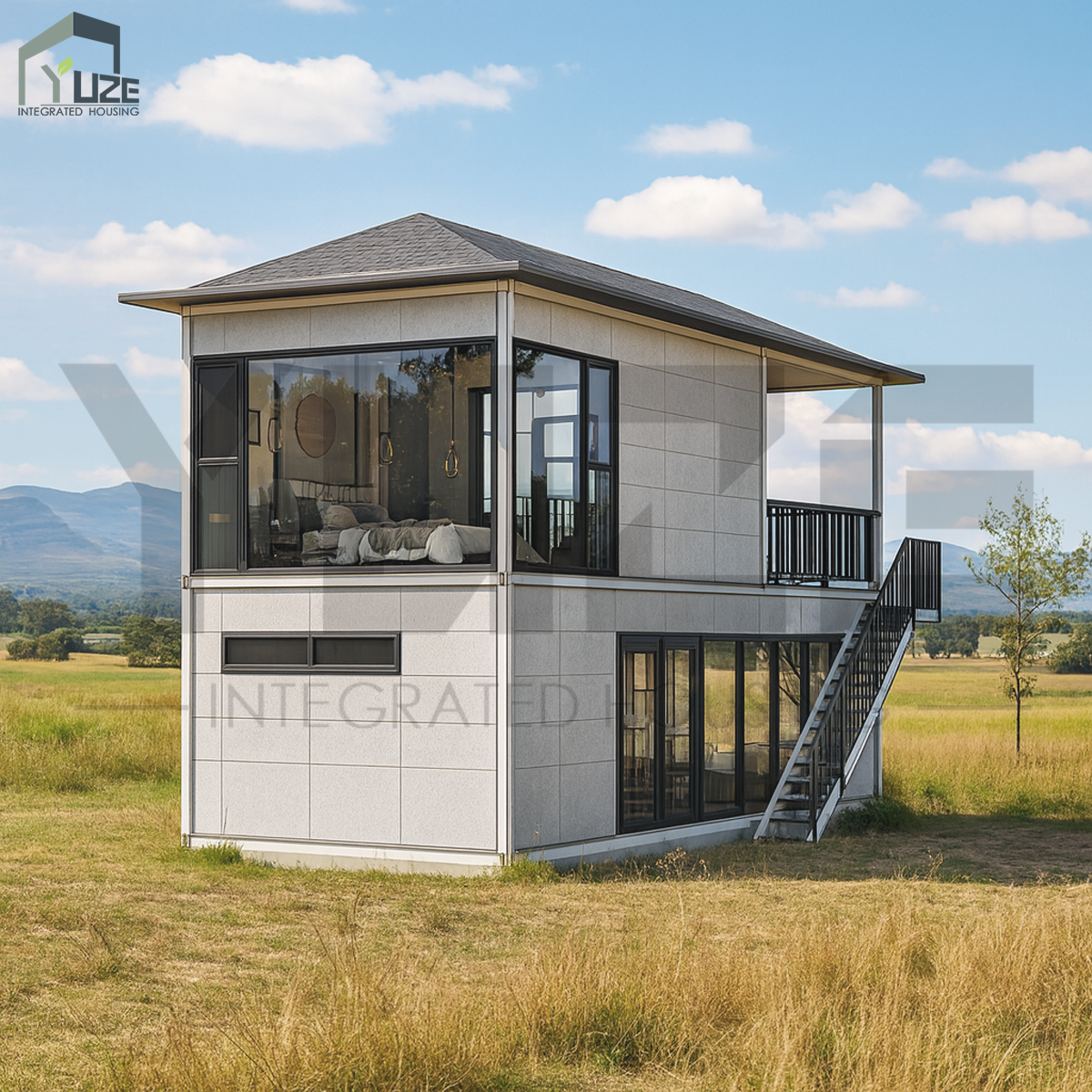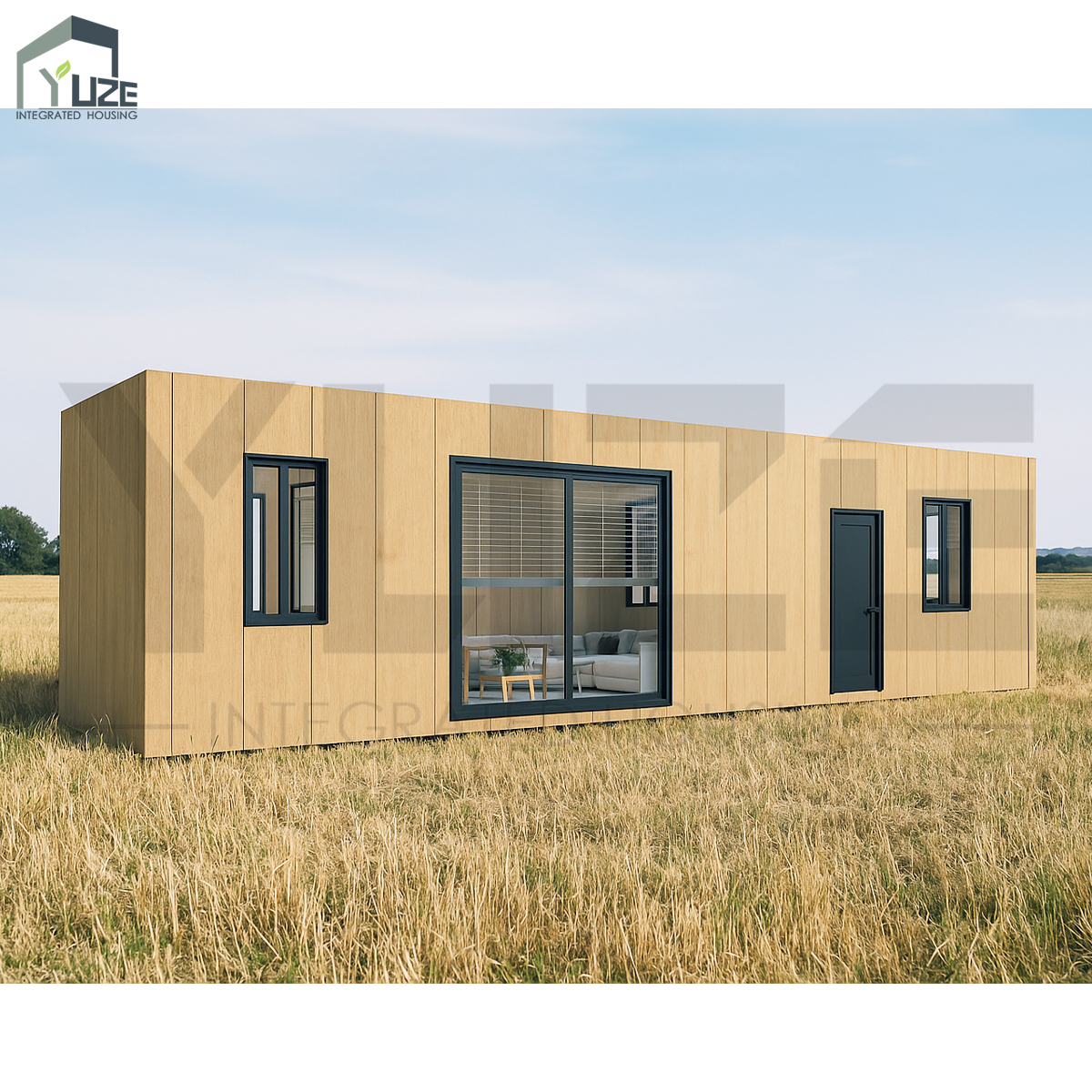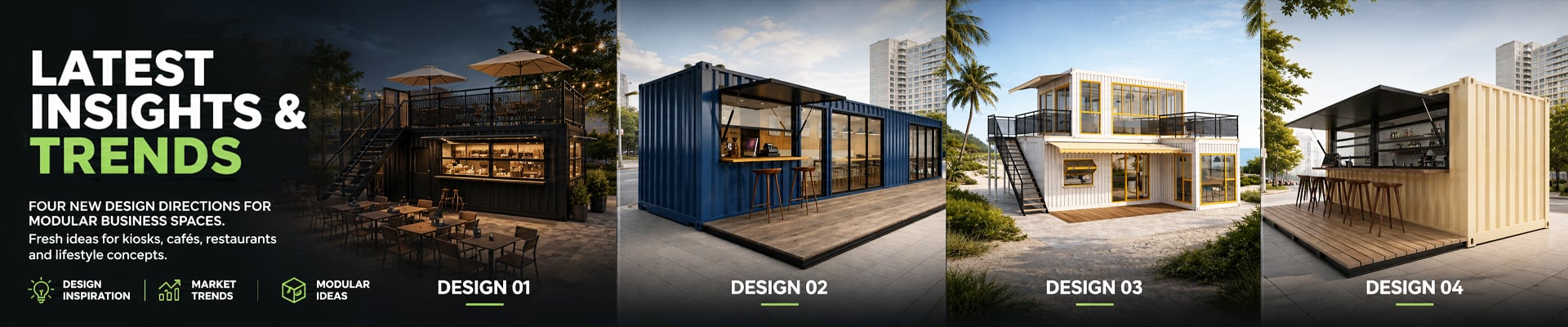
Container based stores are changing what we think about temporary retail spaces because they combine easy movement with designs that can be tailored to fit different needs. Traditional stores aren't as flexible as these modular containers which let businesses try out new markets, adjust for seasons, and actually build something memorable for customers. The fact that these stores can move around means retailers can set them up where people naturally gather during events such as local festivals or weekend markets without worrying about signing those expensive multi-year leases. According to some research from last year, around 8 out of 10 pop up shops that used shipping containers saw better customer interaction than when they were stuck in fixed spots. That's pretty telling about how effective this approach really is.
Three factors fuel urban adoption:
This trifecta makes container stores ideal for brands targeting transient urban audiences.
The sector’s growth is undeniable, with global deployments jumping 65% post-pandemic. This spike correlates with hybrid event formats–77% of 2023 trade shows incorporated mobile retail spaces, up from 41% in 2019 (Event Industry Benchmarks). Retailers now allocate 15–30% of marketing budgets to mobile activations, signaling a structural shift toward agile, event-driven commerce.
What makes mobile container stores so special is how they turn those basic steel frames into something much more than just storage space. The outside can be completely customized with colorful digital prints showing logos or matching event themes. Inside, the layout changes depending on what's needed at the moment. Some setups have open areas for displaying products, others get divided up with temporary walls creating separate sections for trying things on. These containers are built tough enough to handle all sorts of additions too. Want a counter that folds down? No problem. Need an awning that slides out when it rains? That works as well. According to recent numbers from the modular retail sector in 2023, these kinds of stores can be rebranded about 87 percent quicker than regular pop-up shops. Makes sense really since everything is designed with flexibility in mind from day one.
Single-container units shine as compact coffee kiosks at morning markets, while multi-unit clusters create pop-up malls for weekend festivals through these configurations:
A national coffee brand deployed 12 customized container stores across summer music festivals, achieving 360% ROI through strategic design choices. Units featured:
Container stores on wheels give businesses something really special when it comes to moving around easily. Most of them are up and running within just under two days after arrival. Regular pop-up shops need concrete bases and all sorts of groundwork, but these portable units can simply go wherever there's good foot traffic at events and then move somewhere else when seasons change, no extra building work needed. According to a look at the market from earlier this year, about three quarters of people who run these operations choose containers specifically for festival setups because they can get everything ready overnight. That kind of quick setup makes all the difference when trying to grab those spots at events where permits come through at the last minute.
Business owners who switch to container stores instead of those flimsy temporary tents or expensive custom kiosks typically see their initial costs drop by around 40 to 60 percent. Why? Well, they no longer have to worry about paying for those costly floor rentals that run anywhere from $18 to $26 per square foot, plus there's no need for complicated electrical connections or hiring workers for weeks on end. Container stores operate with a much simpler setup too. About two thirds of these businesses actually install self checkout systems at their counters, which cuts down on staff requirements and keeps operating costs under control. Makes sense really when looking at long term savings.
The combination of speed and affordability explains the surge in container store deployments across urban markets, as businesses align pop-up strategies with tighter budgets and faster ROI expectations.
Container stores have become something of an eco-friendly trend these days, basically taking old shipping containers and turning them into cool retail spots instead of letting them sit around unused. According to some industry data we've seen, most of these repurposed containers already contain about 80 percent recycled steel materials, which keeps roughly three tons worth of scrap out of landfills for each one that gets reused (this was noted in the 2024 Container Reuse Study). What makes this even better is how newer container store designs are incorporating things like solar power installations, systems to collect rainwater, and insulation that doesn't release harmful chemicals. All these additions help cut down on their overall carbon impact quite significantly too maybe somewhere around 40% less than what traditional temporary buildings would produce.
The whole idea sounds great on paper with its focus on circular economy principles, but when we actually look at what happens throughout the product life cycle, things get complicated fast. According to some research from last year in the field of logistics, moving these containers without any changes for distances exceeding 500 miles basically cancels out about two thirds of whatever environmental benefit they might have had because of all those diesel fumes. And then there's the problem with making modifications too. Stuff like welding operations or adding climate control systems really ramps up the carbon footprint during production itself somewhere between 22 percent and maybe even 35 percent higher than expected. Many people who've studied this closely point out that if we want real green results, we need to rethink our entire approach to supply chain management locally and establish better standards for how these retrofits should be done so we don't end up wasting precious resources along the way.
Positioning mobile container stores near event entrances or high-traffic zones increases visibility by 40% compared to peripheral locations (Retail Insights 2023). Urban markets report 2.5x higher sales when units align with pedestrian flow patterns and complementary vendors.
Modular retail hubs now offer 30-day leasing cycles at 60% lower cost than traditional brick-and-mortar pop-ups. This model enables small businesses to test products in multiple locations, with data showing 78% of users securing permanent retail partnerships within six months.
Major festivals are allocating 15–20% of vendor space to sponsored container units, creating turnkey activations for brands. This symbiotic model reduces setup costs by $12k per event while granting organizers 10–15% revenue shares from partner sales.

Guangzhou Yuze Integrated Housing Co., Ltd.
Copyright © Guangzhou Yuze Integrated Housing Co., Ltd. - Privacy policy

 EN
EN