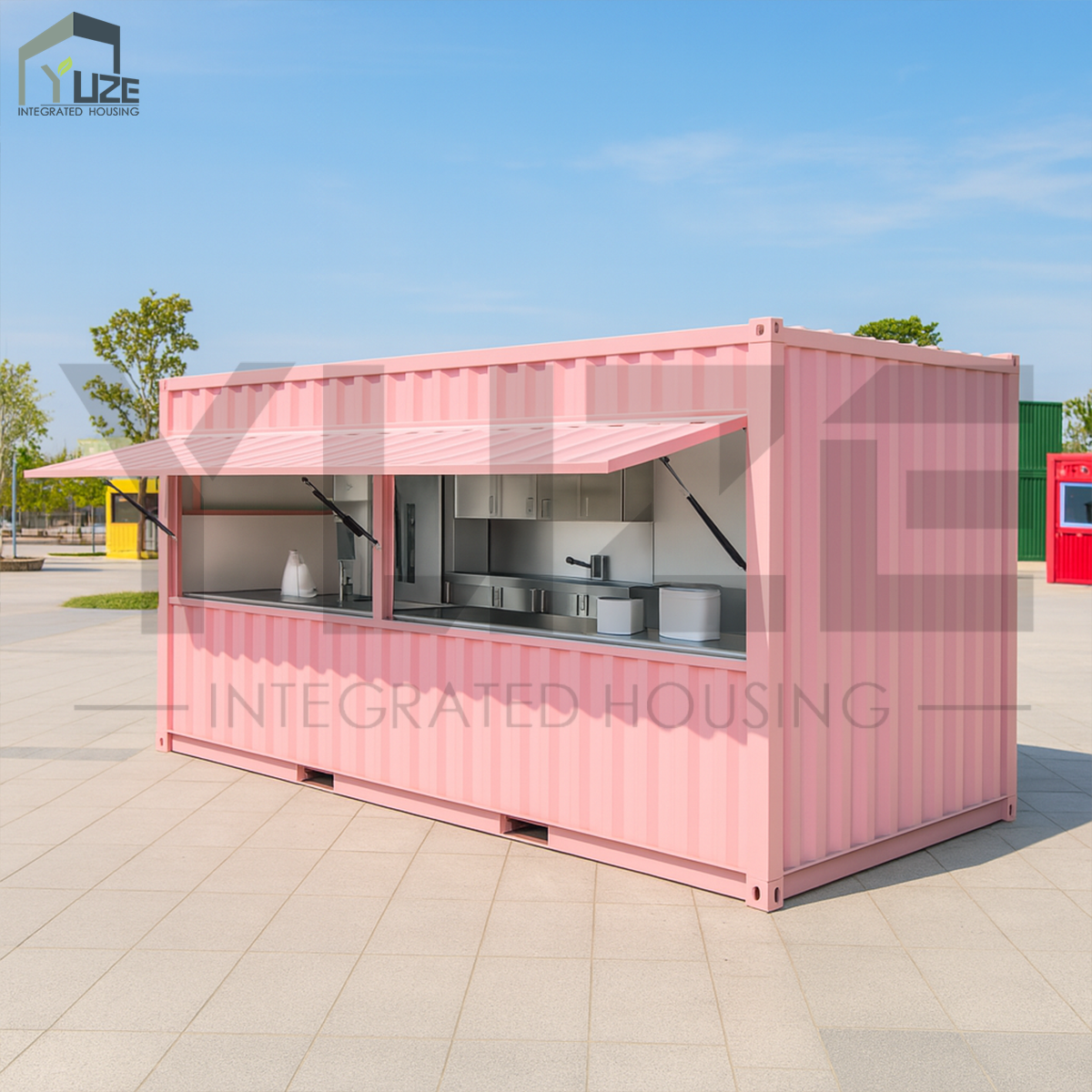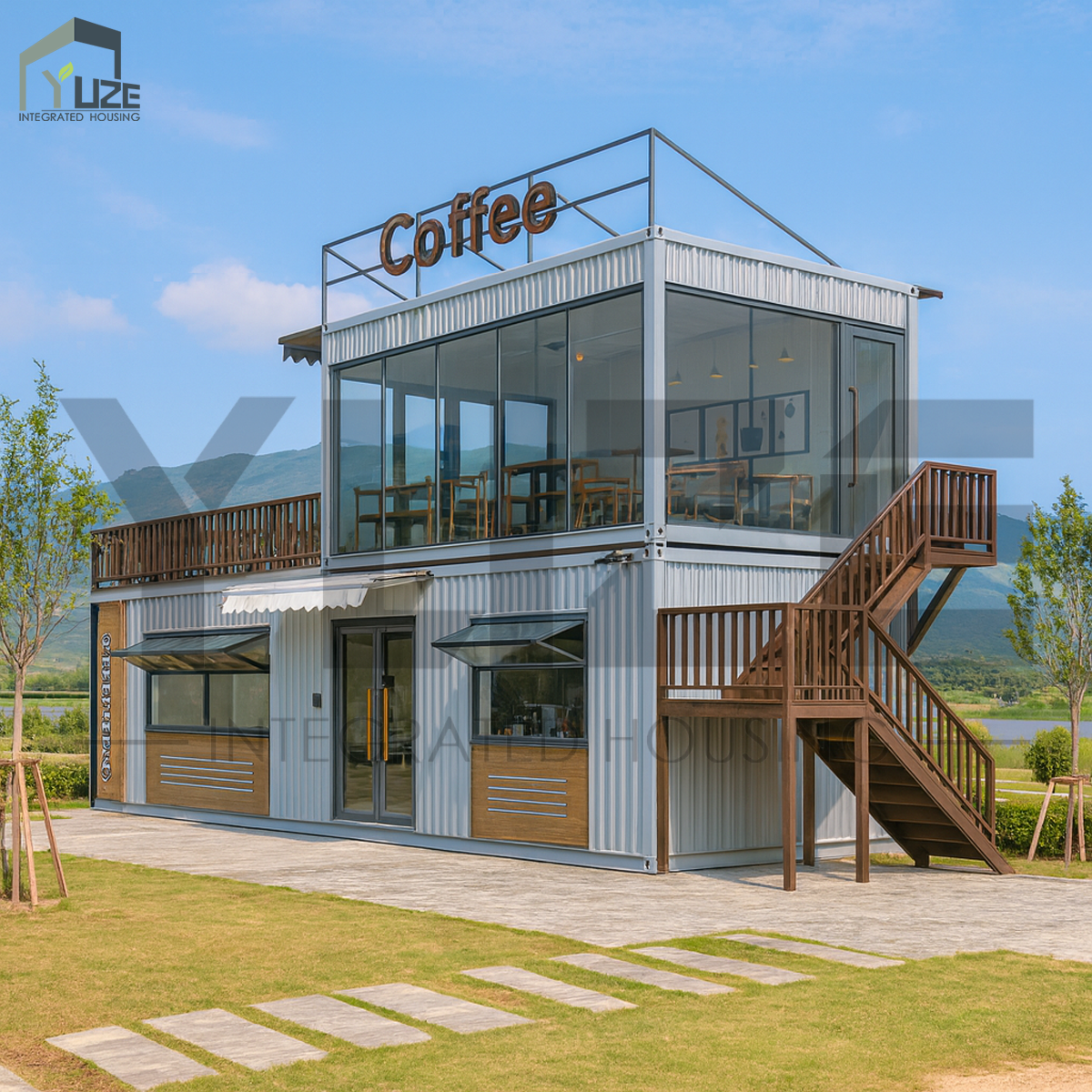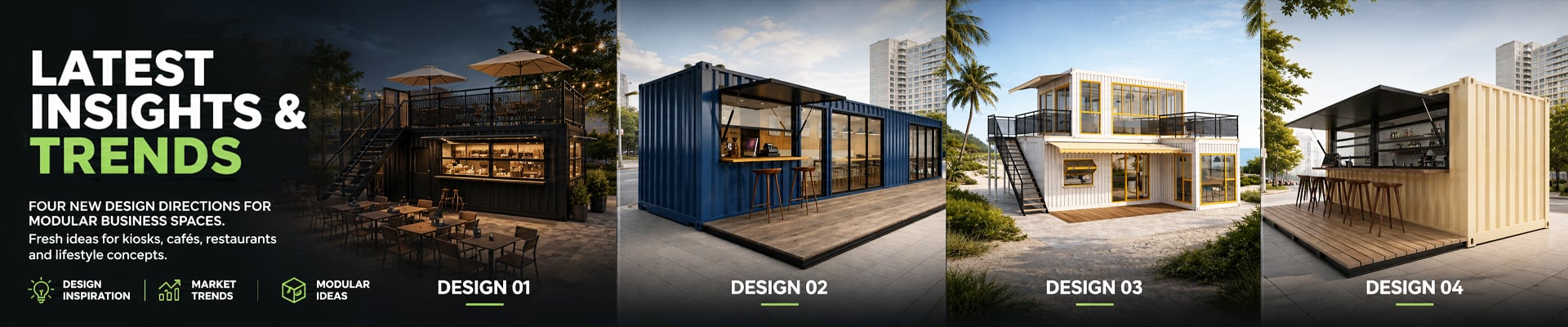
Container homes really bring minimalist living to life because they force people to think about what's actually needed versus what just takes up space. Most containers are around 320 square feet total, so there's no room for stuff that doesn't serve a real purpose. People who live in them tend to be pretty careful about what they keep inside. According to a recent survey from 2024, nearly seven out of ten container home residents say wanting less stuff was their main reason for moving into one. Regular houses often have spare bedrooms collecting dust while container homes make better use of every inch. The kitchen might double as a workspace, or the bathroom could include storage solutions beneath the sink. Everything has to work hard in these small spaces.
Tiny houses have exploded in popularity lately, growing by around 210 percent since 2015 according to the U.S. Tiny Living Report from last year. This trend made it socially acceptable to live smaller, which naturally led people to consider container homes as another option. Tiny houses and container dwellings both aim at achieving financial freedom, being environmentally friendly, and making life simpler overall. What sets containers apart though is their strength as structures, how much easier they are to get approved by local authorities, plus the fact that multiple units can be stacked together or expanded later on. We're seeing more city workers and folks retiring now trade those big 2,500 square foot suburban spreads for compact 400 square foot container setups. And honestly? People seem happy enough living this way without needing all that extra space.
Take Sarah from San Francisco who left her expensive tech job apartment behind for something completely different. She now lives in a container home she designed herself, complete with solar panels on top and a system to collect rainwater. It took about a year and a half before she was totally off the grid. Her daily energy consumption dropped to around 12 kWh, which is way lower than what most American households use (they typically go through about 29 kWh per day). Plus, her monthly expenses went down by roughly two thirds compared to when she lived in the city. What's interesting is that Sarah isn't alone in feeling happier after making such a big lifestyle change. According to recent surveys, nearly half of young people living in containers say they're more satisfied with life because they have simpler routines and don't need as much stuff anymore.
Efficient design transforms constrained spaces into livable environments. Open-concept layouts remove non-essential walls, creating seamless transitions between living, dining, and kitchen areas. Architects enhance functionality through cantilevered extensions and vertical stacking—such as placing bedrooms above main living zones—to expand usable area without increasing footprint.
Furniture that performs multiple roles is essential in maximizing utility:
These adaptable features maintain comfort and flexibility while minimizing clutter, proving small homes can meet diverse daily needs.
Clever storage strategies make the most of limited square footage:
| Storage Type | Implementation Examples | Space Saved |
|---|---|---|
| Vertical | Floor-to-ceiling shelving | 28% |
| Hidden | Under-stair drawers | 19% |
| Multi-functional | Ottoman with internal compartments | 15% |
Additional innovations include ceiling-mounted bike racks and appliance garages that keep countertops clear, ensuring every inch contributes to organized living.
Well-planned container homes deliver more than spatial efficiency—they reduce environmental impact and ongoing costs. A 2023 spatial efficiency study found that thoughtfully designed 320 sq ft units outperform traditional 800 sq ft homes in key areas:
By aligning room sizes with actual usage—like compact wet rooms instead of oversized bathrooms—residents enjoy lower utility bills and less upkeep, enhancing both simplicity and sustainability.
Repurposing one shipping container reclaims approximately 3,500 kg of steel that might otherwise become industrial waste (2024 Circular Economy Report). With over 40 million surplus containers globally (Container Recycling Institute 2023), this approach reduces reliance on new building materials by up to 70% compared to traditional construction. Key benefits include:
Building with containers consumes 40% less energy than constructing wood-frame homes (Global Construction Review 2023). Their modular nature also limits land disruption—preserving 92% of natural topography in rural installations. However, transportation remains a concern: moving containers long distances accounts for 15–20% of a project’s total carbon footprint when sourced non-locally.
Modern container homes achieve high energy performance through:
According to a 2024 lifecycle analysis by the Circular Building Institute, properly maintained container structures outperform traditional homes across 20-year sustainability benchmarks, including a 30% reduction in material replacement needs.
While 68% of eco-architects view container homes as sustainable alternatives (Green Building Watch 2023), critics point to drawbacks:
Despite these concerns, container housing remains a viable sustainable option when using locally available units and integrating closed-loop water and energy systems.
Container homes are becoming a real solution for people struggling with high housing costs and wanting to live without mortgage payments. According to recent census data from 2023, around 78% of container home owners manage to get rid of their housing debt within just three years. For those starting small, basic container builds can cost as little as $28,000. That's actually less than what most American families make in a year. Bigger homes made from multiple containers typically run about $47,000 for something around 600 square feet. And there's another benefit too these homes tend to save money month after month compared to traditional housing options.
When people downsize their living spaces, there are actual mental health perks beyond just saving money. A Stanford study found something pretty surprising - folks who moved from big houses (over 2,500 square feet) into tiny containers under 400 square feet saw their stress hormones drop by around 70%. This backs up what's been written about minimalism for years now. According to Gallup research from last year, people with fewer things tend to be happier overall. Those living small often talk about rediscovering old hobbies they had forgotten about, spending more quality time with family members, and getting better sleep at night. All these changes point toward a lifestyle that feels more purposeful somehow, even if it means giving up some stuff we used to think was essential.
Alternative housing options are becoming really popular these days. Local governments handed out 3,482 permits for container homes last year alone, which means nearly triple what they did back in 2020. Across America, there are now somewhere around 25 thousand actual homes built from shipping containers. Millennials make up most of this crowd at about 58%, while retirees account for another 22%. People are starting to reject traditional ways of buying houses altogether. According to recent surveys, roughly two thirds of those living in containers see themselves as fighting back against the whole system where property prices just keep going up without any real reason behind it. (Pew Research Center reported similar findings in 2023)

Guangzhou Yuze Integrated Housing Co., Ltd.
Copyright © Guangzhou Yuze Integrated Housing Co., Ltd. - Privacy policy

 EN
EN