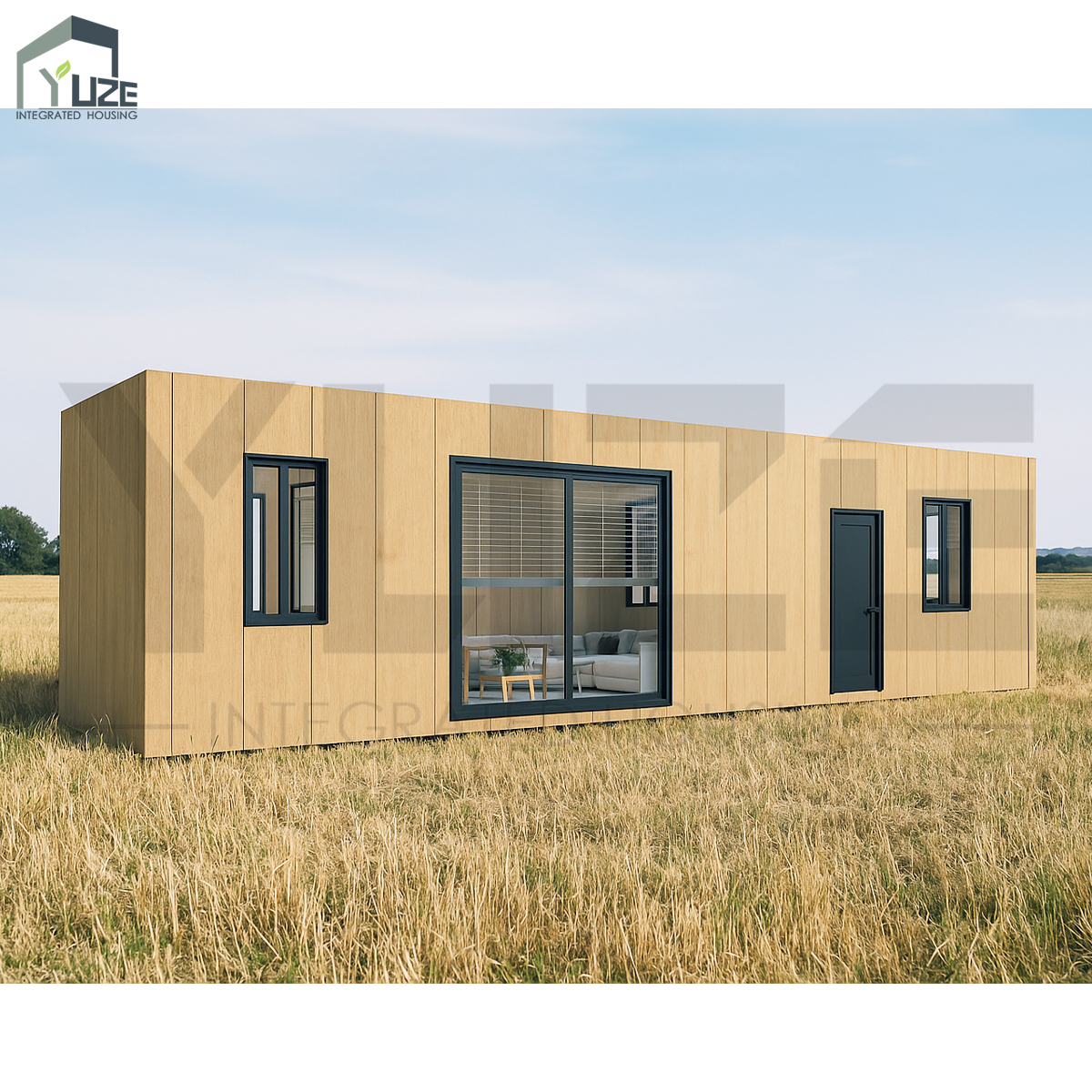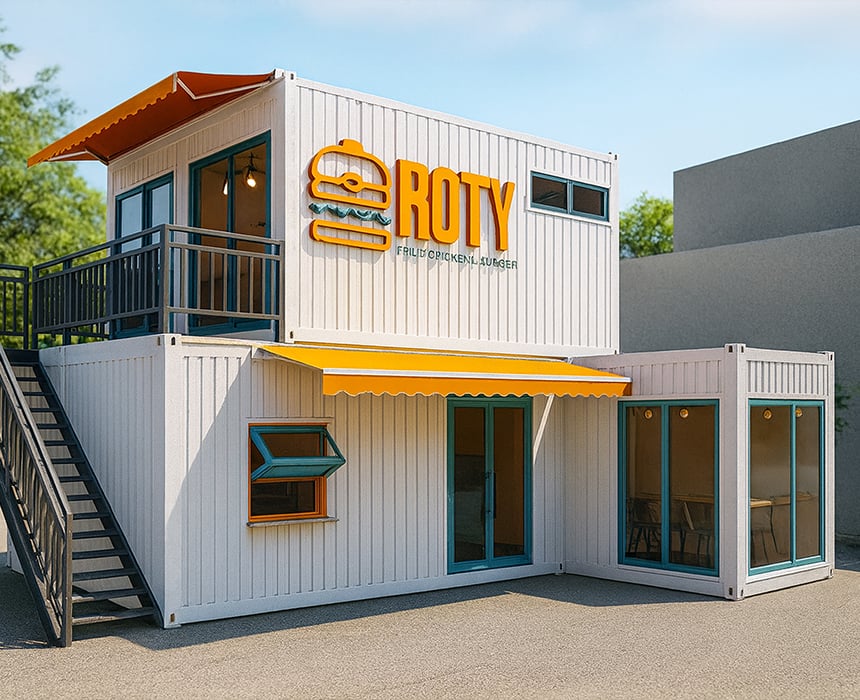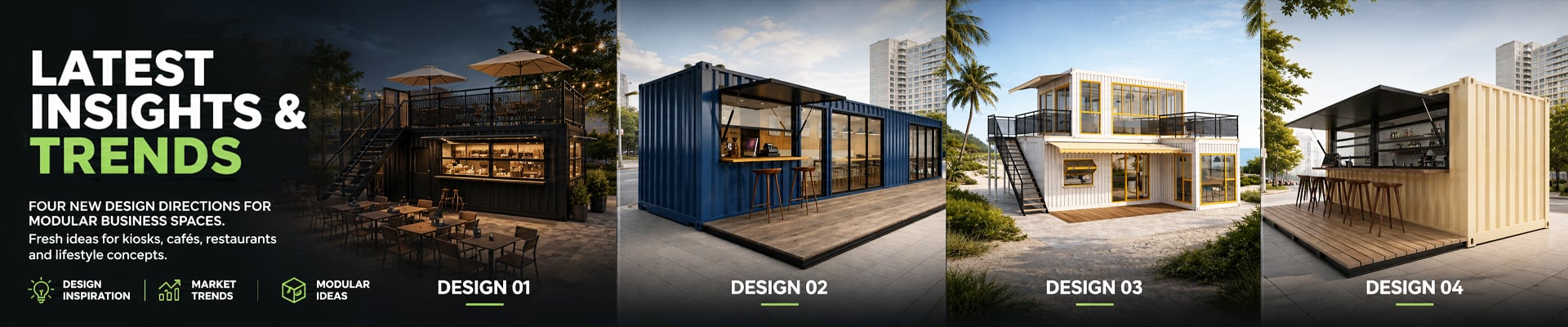
The outside of a container shop basically sells itself before anyone even walks through the door. According to a study by the Retail Design Institute last year, about 78 percent of people tend to go into pop up stores that look different from all the others around them. Steel containers have this really cool geometric look with those sharp corners and rough industrial surfaces that just grab attention in crowded shopping areas where everything starts to blend together after a while.
Strategic color palettes and oversized graphics amplify recognition. High-contrast color blocking increases visibility by 40% in urban settings, while textured finishes like weathered metal or wood veneer convey artisanal quality. Full-wrap murals transform façades into storytelling canvases, embedding brand values directly into physical spaces.
Starbucks’ Taiwanese outlets fused modular containers with traditional tea-house motifs. Slatted wooden screens echo local architecture, and a staggered layout mimics mountainous terrain—blending global branding with regional identity. This design drove a 62% increase in foot traffic compared to standard stores.
Urban centers like Tokyo and Berlin now feature container clusters where mirrored exteriors create optical illusions and living walls merge retail with sustainability narratives. These designs cater to Gen Z’s demand for Instagram-worthy experiences while addressing space constraints in dense cities.
When setting up in busy areas like music festivals or transportation centers, businesses should consider installing LED signs that can be seen from well over 300 meters away. Modular display panels work great too since they let stores change their storefront look every week or so. Interactive projection technology adds another layer of engagement as it reacts when people walk by. Take the case of a popular bubble tea brand that set up shop near a Taipei metro station using these tactics. Their temporary location pulled in around 900 customers each day during the campaign period, which was pretty impressive considering the competition nearby.
Container shops offer unmatched modularity for dynamic brand expression. Steel frameworks support reconfigurable panels, removable signage, and fold-out awnings, enabling adaptation across locations and campaigns. This flexibility allows brands to maintain consistency at pop-up markets, festivals, and permanent sites while tailoring messaging to local audiences.
Shipping containers transformed with UV resistant vinyl wraps, dimensional logos, and various textured materials become vibrant 3D representations of brands. According to research published in early 2023 regarding retail design trends, when stores mixed striking text designs with physical features like holes cut into metal panels or wooden additions, customers spent around 40 percent longer looking at these displays than they did at plain painted walls. And let's not forget about color blocking techniques that match company colors throughout their branding strategy. These visually appealing arrangements naturally invite people to take photos and post them online, turning ordinary container facades into instant Instagram worthy spots for brands wanting maximum visibility across social platforms.
One of those big name athletic wear companies took four shipping containers and stacked them into what looked like a two story temporary shop in the middle of the city. Colorful gradients covered the metal surfaces in wave-like patterns, with glowing brand marks and huge images of their products making it stand out even at night. People could actually interact with screens built right into the walls to check out inventory, which worked pretty well since around a quarter of folks who stopped by ended up buying something. The whole thing only stayed up for three months but showed how tight spaces can still be super effective for branding if designers think outside the box and make sure everything from floor to ceiling says something about the brand.
Big glass doors at least 80 inches wide work really well when combined with those recessed LED lights along the bottom. The whole setup makes for a welcoming entrance that just pulls people inside instinctively. For walkways leading into these spaces, angling them slightly with steel grating that resists slips keeps things accessible while still maintaining that industrial look most businesses want. We've seen stores in busy locations get about a quarter more visitors after making this change. And then there are those weather resistant pivot doors. Some have cool laser cut logos built right into them, others wear wooden composite panels like armor plating. Either way they transform what would be plain old hardware into something that actually communicates the brand's personality to anyone walking past.
Positioning windows at 48–60 heights maximizes eye-level product visibility while preserving structural integrity. Corner window clusters combined with vertical LED strips (3000K warm white) deliver 360° exposure—critical for crowded markets. Shops with illuminated displays retain customer attention 37% longer than non-lit alternatives after dark.
| Design Element | Functional Requirement | Aesthetic Solution |
|---|---|---|
| Door Framing | 14-gauge steel reinforcement | Powder-coated color wraps matching brand palette |
| Window Cutouts | ISO container structural certification | Angled mullions creating dynamic shadow patterns |
| Lighting | IP65 waterproof rating | Directional spotlights accentuating logo placement |
Modern facades use modular attachments—bolt-on frames, magnetic signage panels, rail-mounted lighting—for rapid redesigns without welding. This preserves 93% of the original container’s integrity while allowing seasonal or campaign-based branding updates.
The outside of a container shop is basically its first marketing tool. People tend to decide whether they like what they see within about seven seconds when walking past a store, so looks really matter for getting folks interested. Container stores need to strike just the right balance between looking tough and industrial while still showing off some creativity through things like eye-catching shapes or interesting surface textures. This mix tells potential customers that the business stands behind quality products without being boring or outdated.
Nearly 8 in 10 shoppers favor unconventional retail formats, according to the same study, which also found that vibrant pop-ups generate 42% longer dwell times than generic storefronts. In competitive urban settings, strategic use of color-blocking or 3D signage significantly boosts capture rates.
Retailers across the globe are getting creative with steel frames these days. Take those flashy container malls glowing under Tokyo's neon lights or Berlin's sleek pop-up stores with their minimalist vibe. Steel is helping them blend green practices with good looks. Cities keep adding those modular walls outside buildings now. They have plants growing on them alongside screens showing all sorts of stuff. Pretty cool for people who care about the environment but still want something stylish. And here's another thing worth mentioning: shops with this kind of design tend to attract more customers walking by. Some studies suggest foot traffic can jump as much as 35% in areas where shopping and living spaces mix together.

Guangzhou Yuze Integrated Housing Co., Ltd.
Copyright © Guangzhou Yuze Integrated Housing Co., Ltd. - Privacy policy

 EN
EN