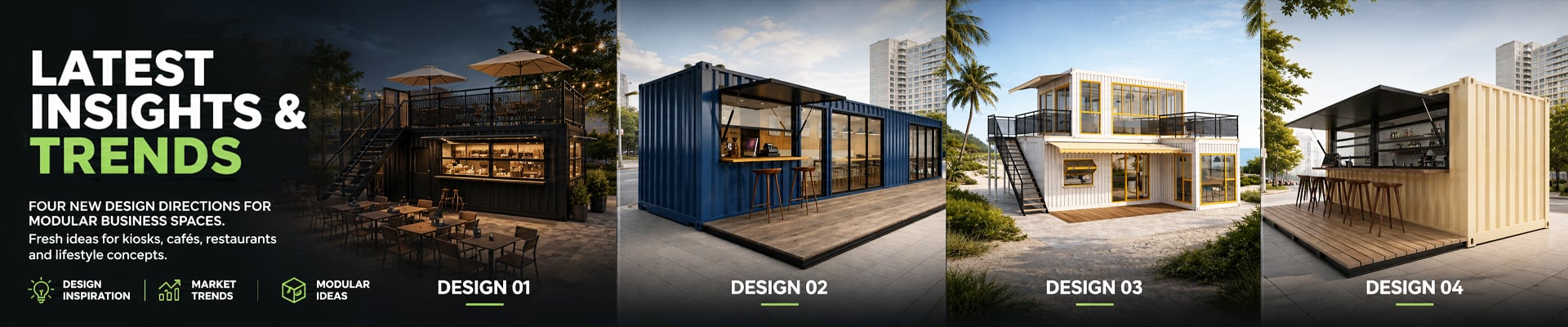
The foodservice industry in cities has started using old shipping containers as affordable building blocks for cafes and restaurants. Steel containers save businesses around 40 to 60 percent compared to regular buildings and can be set up quickly even in crowded neighborhoods. The rough look of these containers with their wavy metal sides, visible support structures, and sharp angles gives them an authentic vibe that fits right in with specialty coffee shops. Big coffee brands have tested this approach across the country and found that container-based cafes handle lots of customers just fine. They stay comfortable inside thanks to special insulation added during construction, making them practical as well as stylish solutions for urban dining spaces.
When we talk about industrial design in cafes, it actually makes people think about real craftsmanship because they can see and feel the materials used. Things like visible welds on metal parts or unfinished wood surfaces tell customers what goes on behind the scenes. For many specialty coffee fans, seeing these details matters a lot since they care about how their drinks are made. Some research from hospitality design shows something interesting too around 70% of customers connect those rough textures with better quality coffee overall. Putting tough looking steel fixtures next to the rich smell of freshly brewed coffee creates this authentic experience that most regular coffee shops just don't offer.
Younger demographics actively seek textural authenticity in dining environments. The 2023 National Coffee Association (NCA) Consumer Survey confirms 68% of millennial and Gen Z coffee consumers prioritize venues featuring unrefined material palettes—a 22% increase from 2020. This shift explains why container cafes outperform traditional designs in customer retention metrics, particularly when incorporating:
This preference directly supports the industrial-chic movement, where shipping containers’ inherent rawness delivers precisely the aesthetic modern coffee lovers demand.
Creating a welcoming atmosphere within industrial container cafes requires deliberate design choices that soften raw materials while preserving authentic character. The challenge lies in balancing exposed structural elements with human-centered comfort through strategic layering of textures, lighting, and spatial planning.
Lighting transforms steel interiors from stark to inviting. Combine three tiers:
This approach allows operators to adjust ambiance from morning brightness to evening coziness within the same compact space.
Counteract industrial coldness with organic materials:
These elements absorb sound while creating sensory contrast against metal surfaces.
Maximize limited square meters through strategic zoning:
| Zone | Function | Space Allocation |
|---|---|---|
| Service Core | Espresso bar, POS | 30% |
| Social Hub | Communal tables, standing | 40% |
| Intimate Nook | Bench seating, planters | 30% |
Use multi-height furniture (bar stools, low sofas) and sliding partitions to fluidly reconfigure spaces during peak hours.
The perceived conflict dissolves through calculated contrast:
This juxtaposition celebrates industrial authenticity while delivering physical comfort—proving warmth and raw aesthetics coexist harmoniously in successful container cafe designs.
What makes container cafes so appealing is their thoughtful selection of materials. The corrugated metal walls are a nod to where these spaces come from shipping containers themselves and they bring this nice textured look that catches the eye. When combined with polished concrete floors which last forever, need almost no upkeep, and actually help regulate temperature these materials stand out when placed next to warmer colors and finishes. Some brick walls here and there add those warm earth tones and interesting textures that break up all that cold steel feeling. Patrons can actually touch and feel these different surfaces as they move through the space, creating a rich experience that goes beyond just looking good. This mix of materials works well for coffee shops because it creates an atmosphere people want to spend time in, not just pass through quickly.
Old wood beams, machine parts pulled from junkyards, and antique fixtures do more than just look cool in industrial style spaces they actually tell stories. These salvaged pieces come with real history attached think old factory floors or barn wood that's seen decades of weather. Cafes love showcasing them because it shows they care about sustainability while giving customers something genuine to connect with. But there's a catch the stuff needs proper checks for strength and safety tests too. We always apply food grade sealants on those rough surfaces to keep bacteria at bay. The right mix makes all the difference these items become conversation starters that reveal what kind of place this really is. Finding local treasures adds another layer, making the whole coffee experience feel connected to where we live and work, not just some generic chain setup.
Effective container cafe design hinges on partitioning limited square footage into three distinct zones:
This strategic zoning enables single-barista operations to serve 50+ hourly customers in under 20 sqm—critical for high-traffic urban locations where space efficiency directly impacts revenue.
Achieving rapid service in compact container cafes requires:
The most successful designs conceal functional elements behind textured finishes like perforated metal screens or reclaimed wood cladding, maintaining industrial aesthetics while ensuring baristas maintain <90-second beverage turnaround during rush periods.
Keeping things at just the right temperature inside those trendy shipping container cafes needs some clever climate control that still looks good with all that industrial vibe. Ductless mini splits are great for this because they heat and cool efficiently without needing all those big ducts that mess up the sleek lines everyone loves. Plus, those small wall mounted units take up almost no room on the floor but can adjust temps in specific areas of the space. What really matters though are these thermal breaks we put between metal parts of the structure. They stop heat from moving around and prevent nasty condensation problems. Container cafes stay comfortable throughout the seasons thanks to these systems which run pretty quiet too. And bonus? They use about 30 percent less energy compared to regular HVAC setups, so owners get to keep that raw warehouse look intact while customers enjoy a consistently pleasant environment no matter what time of year it is.
When working with containers that have small footprints, creative design solutions can turn these limitations into something special for customers. Take rooftop decks for instance they open up the sky above, giving room for around 12 to maybe even 15 people who get those great views that really set the mood. Glass walls that slide back or accordion style doors make it easy to go from inside to outside without feeling confined, letting fresh air in while still keeping that cool industrial vibe intact. The cafe also has those smart roll up windows at the concession area which help keep things moving when business picks up, cutting down on crowded spaces by almost half according to some estimates. Every inch counts here. A good deck isn't just extra seating it becomes an events spot after dark. Those sliding walls adjust depending on what the weather throws our way, and the service spots outside show how thoughtful the whole concept is, especially with materials like those perforated metal screens that look great but also serve a real function.

Guangzhou Yuze Integrated Housing Co., Ltd.
Copyright © Guangzhou Yuze Integrated Housing Co., Ltd. - Privacy policy

 EN
EN