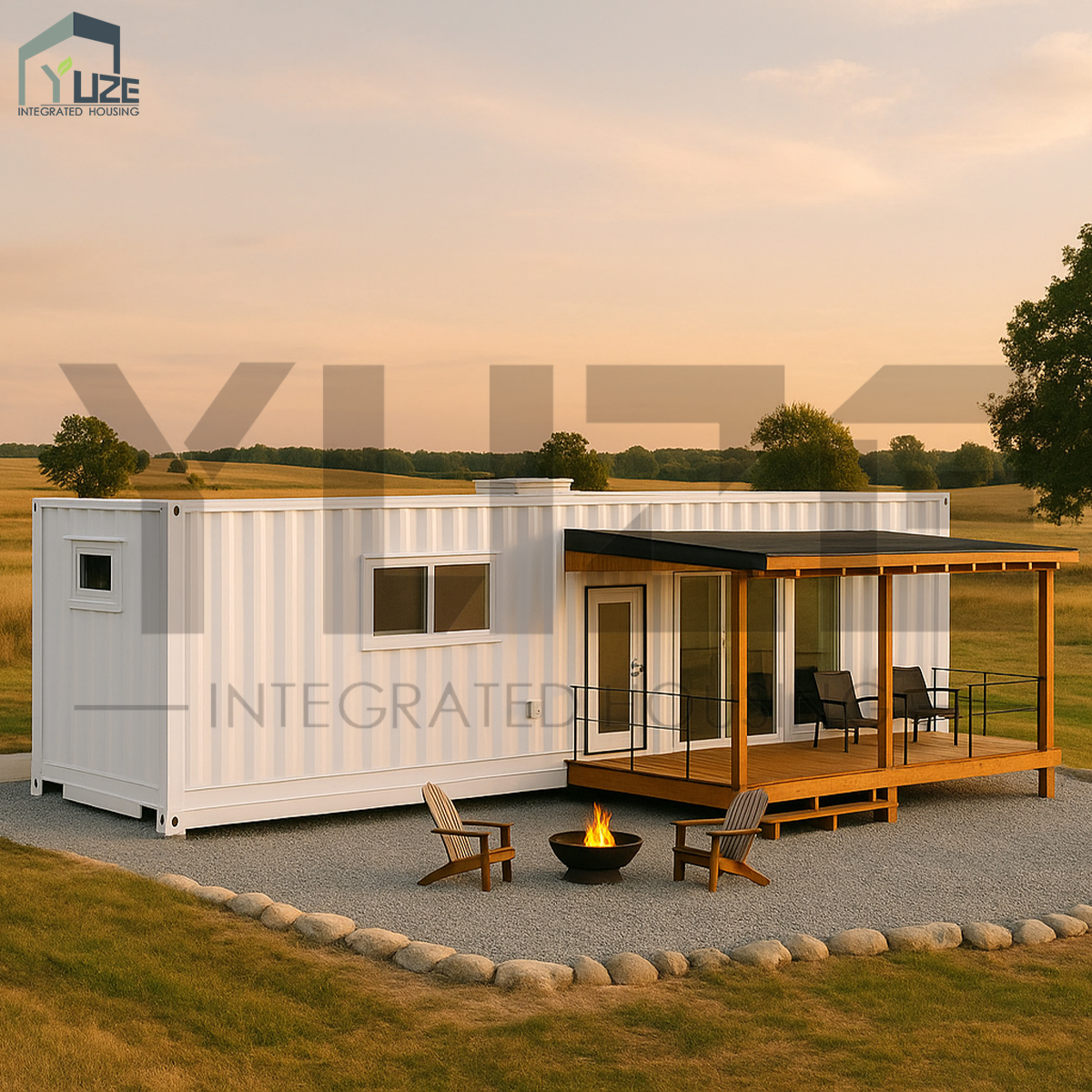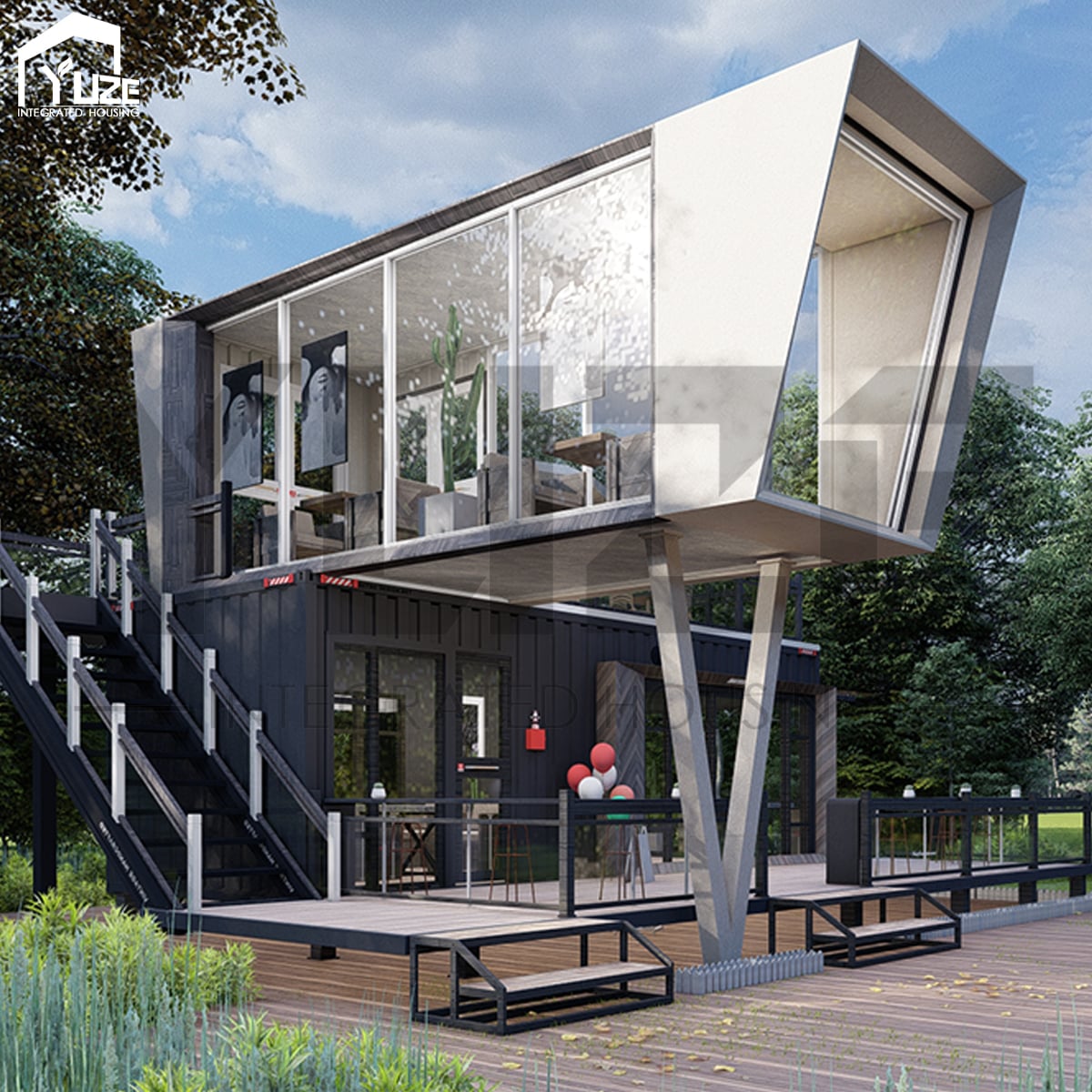
Every durable apple cabin starts with a galvanized steel frame—engineered for structural integrity and long-term corrosion resistance. Exterior cladding uses aviation-grade aluminum, chosen for its exceptional strength-to-weight ratio and resilience against UV exposure, moisture, and temperature extremes. Between these layers, closed-cell polyurethane insulation delivers thermal performance exceeding R-30 per inch, significantly reducing heating and cooling loads year-round. Together, this tri-layer system enables apple cabins to withstand winds over 120 mph while cutting energy use by up to 40% versus conventional construction. Components are precision-cut and factory-finished, minimizing on-site waste and ensuring consistent quality across all modules.
Mechanical, electrical, and plumbing (MEP) systems are fully integrated into prefabricated wall, floor, and roof panels before shipment—eliminating field coordination conflicts. Each module undergoes 3D laser alignment verification to ensure tolerances remain within ±1.5mm, guaranteeing seamless fitment during assembly. Standardized connection points and plug-and-play utility interfaces accelerate installation: structural framing is typically completed in days, not weeks, and utility hookups proceed 60% faster than traditional methods. Interior finishing can begin concurrently with exterior weatherproofing, compressing overall timelines and reducing labor hours by 35–50% compared to stick-built alternatives.
Apple cabin installation follows a tightly coordinated four-stage sequence designed for speed and predictability:
This standardized workflow allows most projects to move from site readiness to client handover in under eight weeks—with minimal weather-related delays or rework.
While comparable site-built structures commonly take 3–6 months, apple cabins achieve occupancy in just 4–8 weeks. This acceleration stems from 80%+ off-site fabrication, which shifts labor-intensive tasks to controlled factory environments. According to the 2023 Modular Building Institute Industry Report, such prefabrication reduces total project duration by 67–85%. Smaller, specialized crews (typically 2–3 technicians) replace large, multi-trade teams—streamlining communication, avoiding scheduling bottlenecks, and enabling hospitality operators to open seasonal sites ahead of peak demand.
Manufacturers offer three primary package tiers to align with varying levels of involvement and budget control:
Each tier preserves the core structural advantages of the apple cabin platform while giving buyers clear decision points for cost management.
Beyond the base kit price, three site-specific factors consistently influence final budgets:
Factory-built precision minimizes material waste and cost overruns, but terrain accessibility, utility easements, and zoning restrictions can add 10–15% to final expenses. Early consultation with local building officials and a licensed site evaluator is essential to avoid scope changes or compliance setbacks.
Q: What materials are used in apple cabin construction?
A: Apple cabins are constructed using a combination of galvanized steel frames, aviation aluminum cladding, and closed-cell polyurethane insulation.
Q: How long does it take to build and install an apple cabin?
A: The installation of apple cabins typically takes 4-8 weeks, significantly faster than the 3-6 months required for traditional site-built structures.
Q: What are the cost considerations for building an apple cabin?
A: Costs include kit pricing tiers, foundation selection, utility connections, and local permitting fees, which can add significant budget considerations.
Guangzhou Yuze Integrated Housing Co., Ltd.
Copyright © Guangzhou Yuze Integrated Housing Co., Ltd. - Privacy policy
 EN
EN