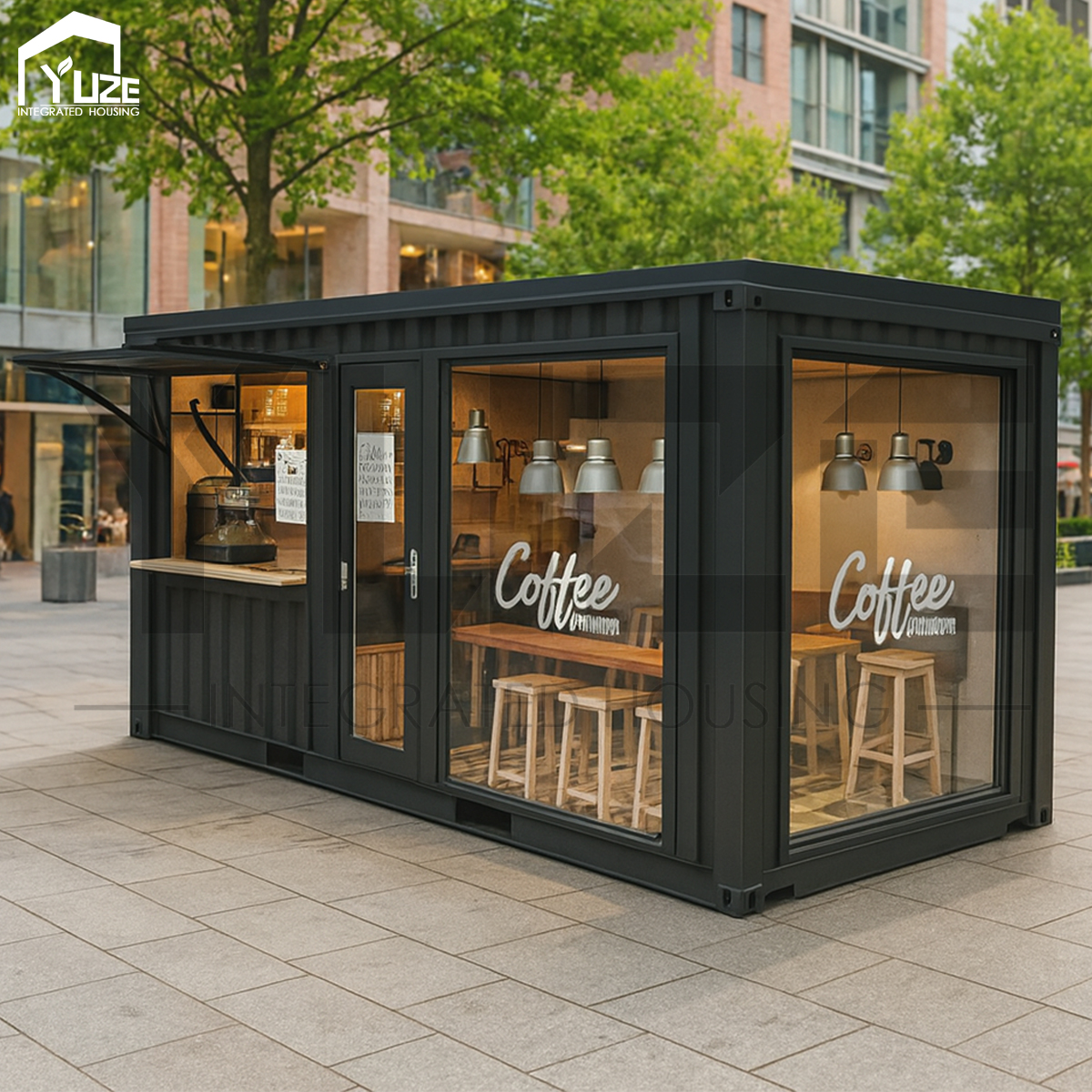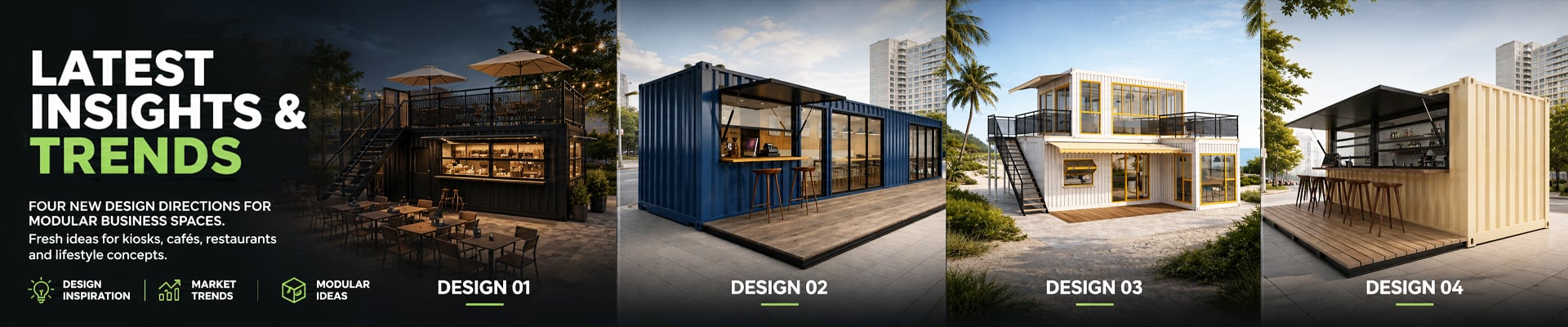
Moving parts of restaurant construction off site can cut down building time anywhere from 40 to 60 percent when compared to traditional methods according to the latest industry data from 2023. When electrical work, plumbing installations, and ventilation systems get done in factories rather than at job sites, container restaurants avoid those frustrating weather-related delays that plague conventional builds. Getting permits becomes much easier too, since there's less back and forth between contractors onsite. Plus everything comes together so much smoother because most components are already assembled before delivery. These containers show up basically ready to go, which means operators can start serving customers within just a few weeks rather than waiting months for completion. From an operator standpoint, being able to open doors quickly makes all the difference during peak seasons when foot traffic matters most. The reduced wait times also mean lower expenses while waiting for the restaurant to become profitable, effectively shortening how long it takes to see returns on investment.
A 2024 quick-service concept reached breakeven in just 5.2 months using a $198K container restaurant—nearly half the $420K projected cost of a traditional build. Key drivers included:
BodegaBox made mobility part of its growth strategy, moving their operation seven times across three big city markets without getting hit by lease penalties or having to write off any structures. Traditional restaurants typically spend over $50,000 when they move locations according to the NRA report from 2023 because they have all that fixed equipment and those long term leases. But container units can be taken apart and put back together again within just 72 hours. This flexibility let BodegaBox test out busy spots like downtown plazas and even festival areas before deciding where to stay for good. The money saved on things like tearing down old places, rebuilding them, and buying out leases went straight into local advertising efforts and developing new menu items. Plus, customer data collected across different markets helped inform where to open next based on real-world performance rather than guesswork. For BodegaBox, mobility isn't simply about logistics it's actually become a pretty disciplined approach to expanding their business that focuses on results.
SeaSalt Collective managed to open four exactly the same 320 square foot container restaurants in different locations across the country within just 11 weeks flat. That kind of speed would be totally out of reach for regular building methods. The secret was having everything standardized so multiple things could happen at once. While crews were getting sites ready and connecting utilities, other teams were working on building complete kitchens and interior spaces away from the actual restaurant spots. Containers themselves act as ready made shells, which meant there wasn't much digging or foundation work needed at each location. Everything went according to schedule pretty much right from day one.
The LEED Silver certification for GreenGrill made a real difference in their business numbers. Six months after getting certified, they saw a 32% jump in people walking through the door. Even better, the restaurant staff managed to raise prices on the menu by 15% and nobody left or complained about it. A lot of folks are starting to care about these eco certifications too. According to the Industry Report from last year, around two thirds of diners actually look for places that have gone green first. Sustainability isn't just good for image either. When GreenGrill installed those energy saving HVAC systems, switched to LED lights, and put in water recycling setups, their operating expenses dropped by nearly 20% compared to previous years. Container restaurants already have some sustainability built in because they reuse old shipping containers instead of pouring new concrete and messing up construction sites. But when restaurants get official certification, that basic eco friendliness turns into something customers can trust and businesses can sell. Going green isn't merely an ethical choice anymore. It helps build customer loyalty, allows for better profit margins, and creates lasting competitive advantages in the marketplace.
What sets The Rusty Can apart is how it embraces realness in everything from the rough steel textures to those visible weld marks and aged metal finishes nobody else wants to show off. Their whole approach to design starts with what looks unpolished first, which actually makes their spaces super camera friendly for folks who spend most of their time online. About two thirds of all content related to The Rusty Can comes directly from customers taking pictures and posting stories about their visits. That kind of word of mouth helped boost their social media presence by over 200% within just one year. People don't simply stop by for dinner anymore they capture every angle of those sharp lines, contrasting materials, and surfaces that invite touching. When finding new places depends so much on seeing them through someone else's phone screen, The Rusty Can shows that showing off those container building details like open seams and old rivets isn't some drawback. Instead, this raw look creates something unique that people remember better than those overly polished spots, making connections stick longer in memory and feelings last stronger too.
Container restaurant success—whether through rapid ROI, scalable expansion, sustainability, or brand differentiation—starts with a manufacturing partner that understands modular innovation and global business needs. Yuze Housing, a 10+ year leader in modular container solutions, specializes in custom container restaurants tailored to entrepreneurs, brands, and multi-location operators worldwide.
Our container restaurants combine industrial-grade durability with restaurant-specific functionality: 10ft–40ft configurations, commercial kitchen fit-outs, ADA compliance, LEED-aligned sustainable features, and climate-adapted designs (from hurricane-resistant builds for coastal regions to heat-insulated units for tropical markets). As a global exporter to 40+ countries, we handle end-to-end support: 72-hour custom design proposals, pre-certified modular fabrication, international logistics coordination, and on-site installation guidance—ensuring your restaurant launches on time, on budget, and ready to thrive.
Whether you’re testing a pop-up concept, scaling a multi-market chain, or building a sustainable brand, Yuze Housing’s one-stop supply chain (from materials to interior customization) eliminates guesswork. Contact us today for a no-obligation consultation to turn your container restaurant vision into a profitable reality—backed by a partner with a proven track record in commercial modular success.

Guangzhou Yuze Integrated Housing Co., Ltd.
Copyright © Guangzhou Yuze Integrated Housing Co., Ltd. - Privacy policy

 EN
EN