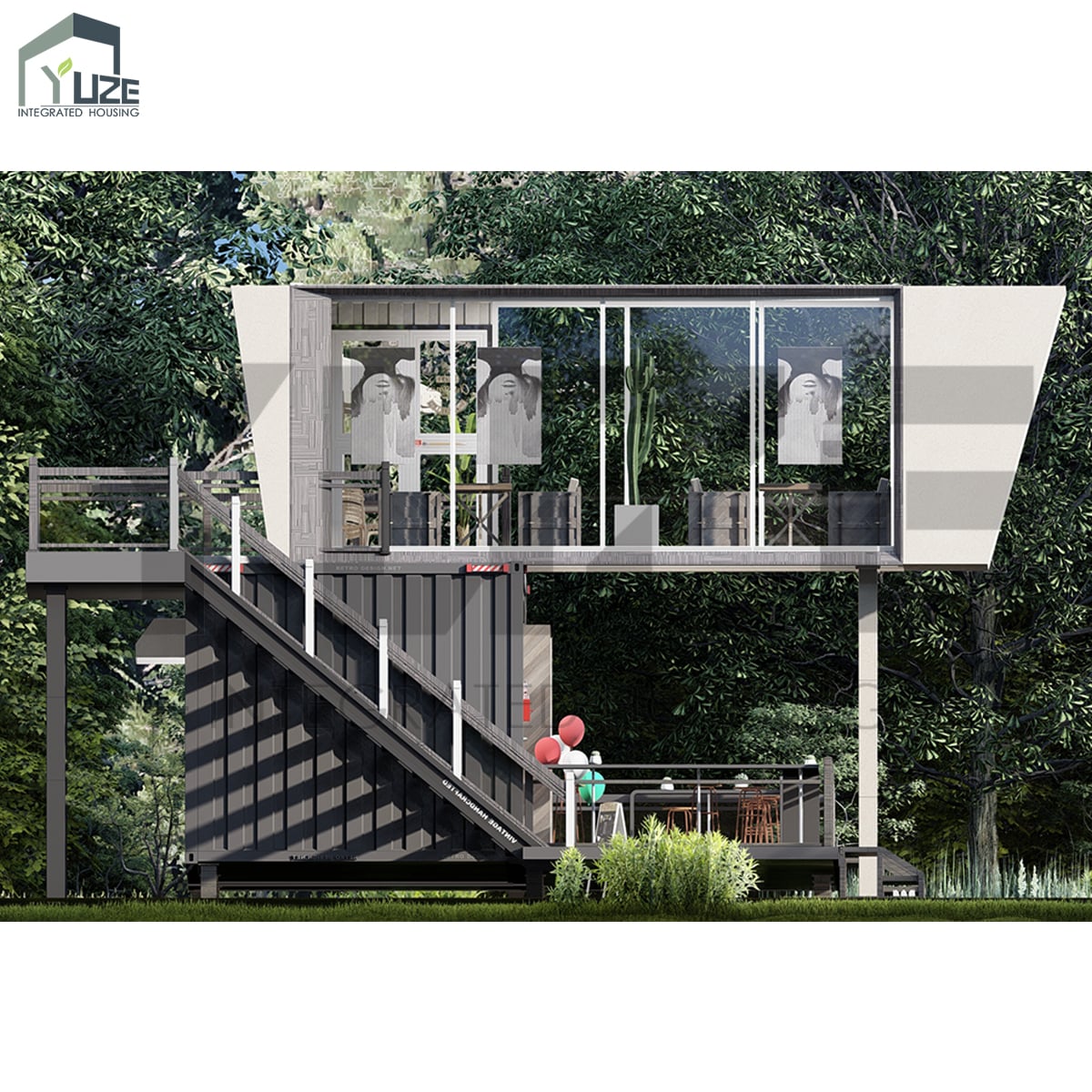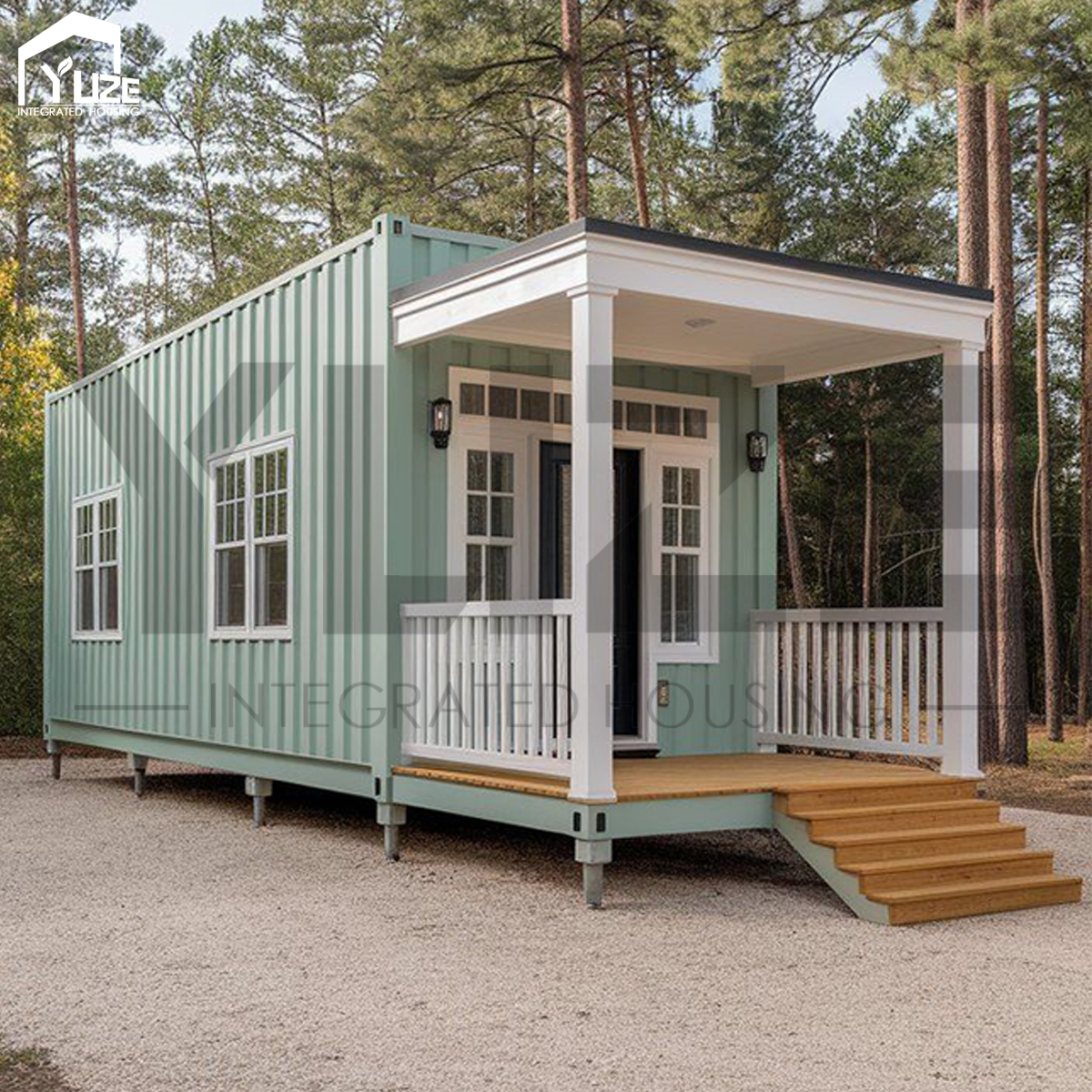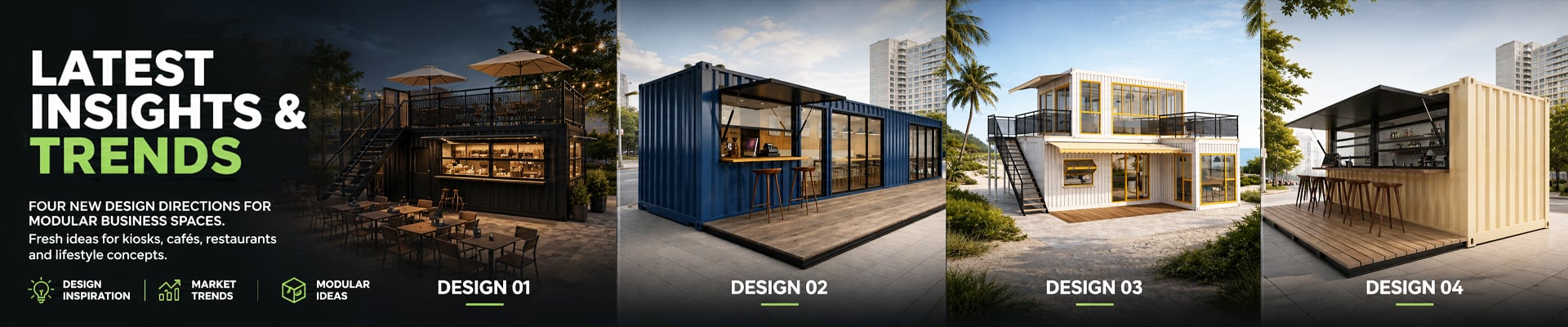
Repurposed shipping containers dramatically reduce initial investment compared to brick-and-mortar cafes. A 20ft unit requires approximately $25k–$45k for full conversion—including plumbing, electrical, insulation, and interior finish—versus $80k+ for traditional builds. Key savings stem from:
Industry benchmarks confirm these efficiencies slash startup expenses by 40–60%, making specialty coffee entrepreneurship accessible without sacrificing build quality or code compliance.
Container cafes accelerate market entry through streamlined workflows. Prefabricated units complete offsite construction in 4–6 weeks, while onsite work focuses exclusively on utility connections, surface leveling, and final inspections. Crucially:
This integrated approach delivers full operational readiness within 90 days—66% faster than conventional cafe builds—allowing entrepreneurs to align openings with peak demand windows and minimize pre-revenue burn.
The choice between 10 foot and 20 foot containers really affects how things run day to day as well as what happens over time. For those smaller 10 foot units around 80 square feet, there's no room for error. Most setups end up being single file lines where the espresso machine sits right next to where customers pick up their drinks. This keeps baristas moving efficiently and works pretty well for handling about 3 to 5 people at once. On the other hand, bigger 20 foot containers give roughly 160 square feet of space. These allow for more flexible layouts like L shapes or even U shapes with separate areas for taking orders, making drinks, and seating space. They can handle anywhere from 8 to 12 customers comfortably and make it possible to meet ADA standards with those required 36 inch wide paths throughout. Vertical storage options matter a lot in both sizes. Overhead cabinets and shelves mounted on walls help keep everything organized without blocking views. Refrigeration units tucked under counters also maintain good sight lines while keeping workflow smooth. Smart design actually makes small spaces work better. Compact setups force efficiency because all the important tasks grinding beans, brewing coffee, and handing out drinks happen close together. This boosts service speed during busy times when losing just seconds can hurt profits. When it comes to accessibility requirements, smart operators build these features right into the plan from start instead of trying to add them later. Entry ramps need to be gentle enough slope wise, interior handrails should be placed strategically, and counter heights must accommodate everyone who walks through the door.
A lot of cities label anything under 200 square feet as temporary or accessory buildings, which means they don't need to go through the whole commercial construction process. Why does this happen? Well, building codes often see pre-approved modular units as something that doesn't really affect the neighborhood much. These smaller structures get a pass on things like expensive fire sprinkler installations or having architects review every detail of their plans. What happens when all this comes together? Applications become much simpler, fees drop significantly, and getting permission takes about half the time it normally would. The flexibility of location makes things even better for businesses. Container cafes pop up in places nobody thought possible before parking lot corners, those awkward spaces between buildings, or empty lots where regular construction just wouldn't work because of zoning laws. Inspectors looking at these mobile setups focus mostly on whether the structure stands up straight, if people can get out safely in an emergency, and if utilities are properly connected. They don't demand mountains of paperwork, so everything moves faster while still keeping communities safe.
Container cafes unlock unprecedented adaptability for entrepreneurs. Their inherent mobility and modular design create a resilient, low-risk business model built for real-world volatility.
When businesses can move around, their approach to locations changes completely. Instead of being stuck with one spot forever, they can actually treat location as something flexible and useful. Food truck operators and pop-up cafe owners head straight for places where people are gathering temporarily music festivals, local farmer's markets, crowded beaches, even ski resorts during winter months. They get all that extra foot traffic without having to worry about signing those long leases that tie them down financially. The best part? During busy times they make good money, and when things slow down, there's no need to keep paying rent for empty space. These temporary setups work great for testing ideas too. Operators try out new menu items, see what customers respond to, collect feedback on service quality before spending big bucks on building something permanent. Industry reports show that these mobile food businesses tend to earn about 30 percent more profit per season compared to regular restaurants with fixed locations. Makes sense really when we think about how much real estate costs these days.
The growth potential is built right into how these operations are set up from day one. Most entrepreneurs start off with either a 10 foot or 20 foot space, and as they grow, they can add things like retail areas, cold brew stations, or seating spots next door. Some even stack additional units on top when local regulations permit it. This approach to gradual investment helps spread out financial risks and keeps money flowing properly throughout the business cycle, all while keeping the brand image consistent no matter where customers go. The spaces themselves work well together whether grouped around busy places like train stations or college campuses, or spread out among different but compatible neighborhoods. Since every unit shares basically the same layout and functions the same way operationally, managing staff training becomes much easier. Maintenance tasks get simpler too, and getting supplies for multiple locations isn't as complicated as it sounds. According to some research done on small business efficiencies mentioned in industry reports, this system actually cuts down both the time needed to bring new employees up to speed and the overall training expenses by roughly 40% for each additional location added.
A budget-friendly, fast-to-market container cafe starts with a reliable manufacturing partner that understands both design functionality and global business needs. Yuze Housing—with 10+ years of experience in modular container solutions—specializes in custom container cafes tailored to entrepreneurs and businesses worldwide.
Our container cafes combine industrial-grade durability with space-optimized design, supporting 10ft/20ft configurations, ADA compliance, and climate-adapted features (from heat-resistant insulation for tropical regions to weatherproofing for coastal areas). As a global exporter to 40+ countries, we handle end-to-end support: 72-hour design proposals, pre-certified modular builds, logistics coordination, and on-site installation guidance—ensuring your cafe launches on time and within budget.
Whether you’re a first-time entrepreneur or scaling a multi-unit operation, Yuze Housing’s one-stop supply chain (from materials to interior customization) eliminates guesswork. Contact us today for a no-obligation consultation to turn your container cafe vision into reality—backed by a partner with a proven track record in commercial modular solutions.

Guangzhou Yuze Integrated Housing Co., Ltd.
Copyright © Guangzhou Yuze Integrated Housing Co., Ltd. - Privacy policy

 EN
EN