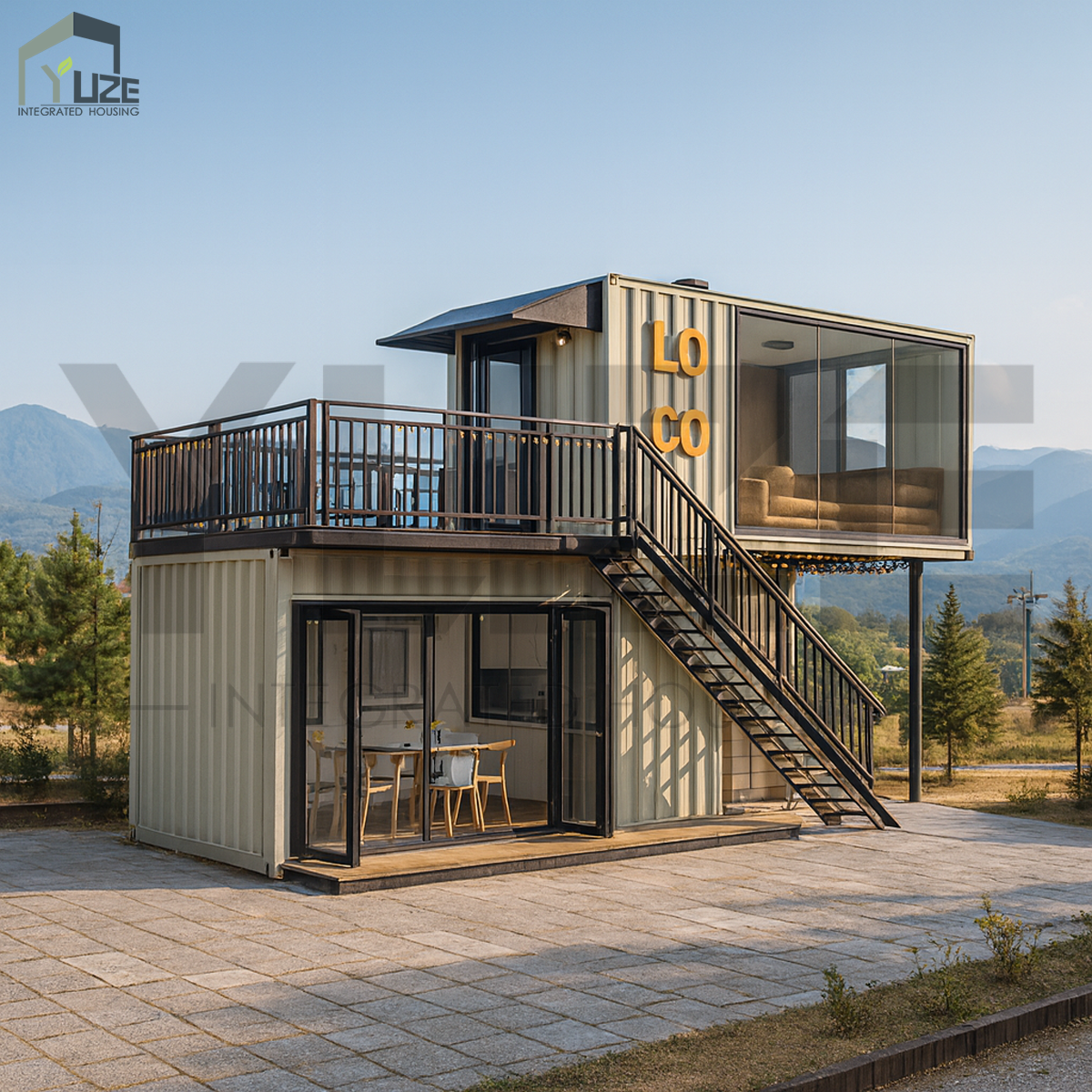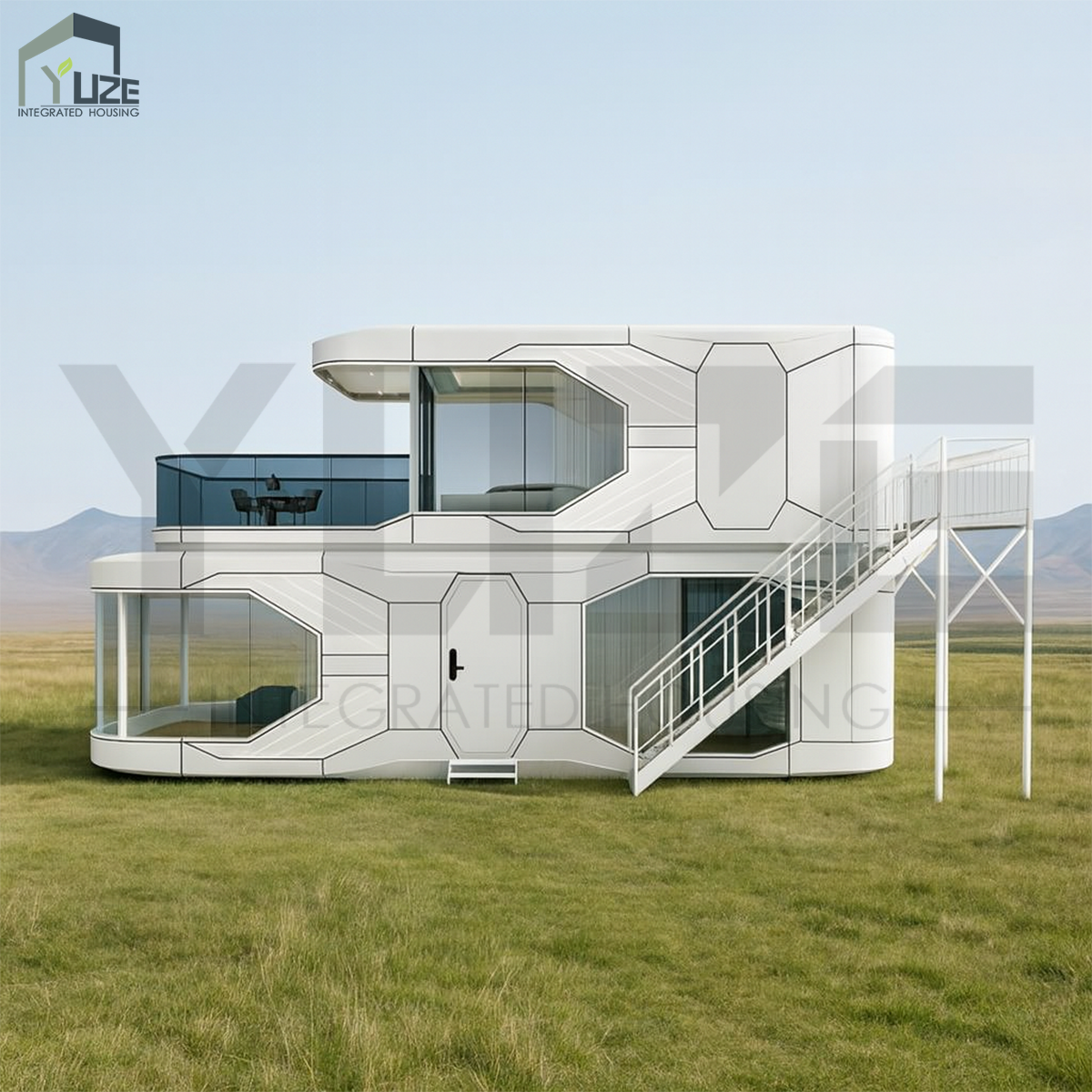
Capsule homes are small but permanent living spaces that focus on making the most of every inch for actual human needs. They're not just tiny tents or RVs parked somewhere for a few weeks. These little houses can fit into areas smaller than 20 square meters because they cut out anything that's not absolutely necessary for daily living. The concept comes from Japan where people have been building tiny spaces for decades. What makes them work so well is how everything doubles as something else. Stairs hide storage compartments underneath, kitchen counters turn into desks when needed, and even walls contain beds that fold down at night. Living this way means owning fewer things overall without sacrificing basic comforts. Some studies actually found that people who live in spaces under 25 square meters tend to feel about 34% happier in life if their space was designed with purpose rather than just being small for the sake of it.
Minimalism in capsule homes transcends visual simplicity to become an operational imperative. Without deliberate reduction of possessions and activities, compact spaces become dysfunctional within weeks. The philosophy manifests practically through three pillars:
In capsule homes under 20m², vertical design is essential. Elevating sleeping lofts creates distinct psychological zones:
Transform ambiguous spaces through intentional micro-zoning:
Capsule homes turn small spaces into smart living areas thanks to clever storage ideas. Things like drawers tucked under stairs or hidden walls mean no need for extra furniture, which frees up valuable floor space. Closed cabinets hide stuff we use every day, so the room doesn't look messy and people actually feel calmer in tight quarters. Going vertical makes sense too. Tall shelves from floor to ceiling plus storage above our heads let us store way more stuff than regular houses. Most capsule homes set aside about one sixth of their total space for all these built-in storage solutions, giving folks plenty of room for belongings without making the living area feel cramped. When everything has its own spot, clutter just doesn't build up over time. That's super important for anyone trying to live simply and sustainably because nothing gets left out unless it serves a real purpose. At the end of the day, these homes work so well because good storage isn't just about putting things away but actually becomes part of how the house functions as a whole.
In capsule homes, multifunctional furniture isn't just nice to have, it's basically what makes these tiny spaces work at all for people who want to live sustainably. Traditional furniture only does one thing, but smart design lets pieces do double duty. Think about it: sofas that turn into beds for guests, staircase units with built-in storage compartments, or dining tables that can become desks when needed. When folks combine several functions into one piece instead of buying separate items, they end up using way fewer resources overall. Most capsule dwellers find they need maybe half as many actual furniture pieces compared to regular sized apartments, which cuts down on both material usage and eventual waste problems down the road.
Sustainability isn't just about saving space either. Good quality furniture that does multiple jobs tends to be made from stuff that lasts forever these days. Think solid wood or those new composite materials made from recycled plastic. These pieces can stick around for 30 years or more compared to cheap throwaway furniture that breaks after a couple of years. The whole idea fits right in with capsule living principles where people own less but take better care of what they have. When someone has fewer things, each item actually matters more. Vertical storage ottomans work great in small spaces, and desks built into lofts help get rid of those awkward spots nobody uses. Every square meter in a 20m² apartment becomes useful somehow instead of just sitting there unused.
Practically speaking, we need furniture that somehow manages both flexibility and peacefulness at the same time. Things like those quiet closing hinges, heavy bases that stop wobbling, and hidden parts that don't mess up the look all help keep everything from looking cluttered. Take when a coffee table opens up smoothly to show storage space underneath, or when that fold down bed in the wall comes down quietly without making noise. These little touches let small spaces stay feeling like peaceful retreats instead of cramped boxes. The whole point really is getting stuff that works well together where looks don't have to suffer because something actually functions properly. For anyone stuck in tight quarters, this kind of double duty furniture isn't just handy anymore it's basically necessary if they want their tiny apartment to feel anything close to comfortable.

Guangzhou Yuze Integrated Housing Co., Ltd.
Copyright © Guangzhou Yuze Integrated Housing Co., Ltd. - Privacy policy

 EN
EN