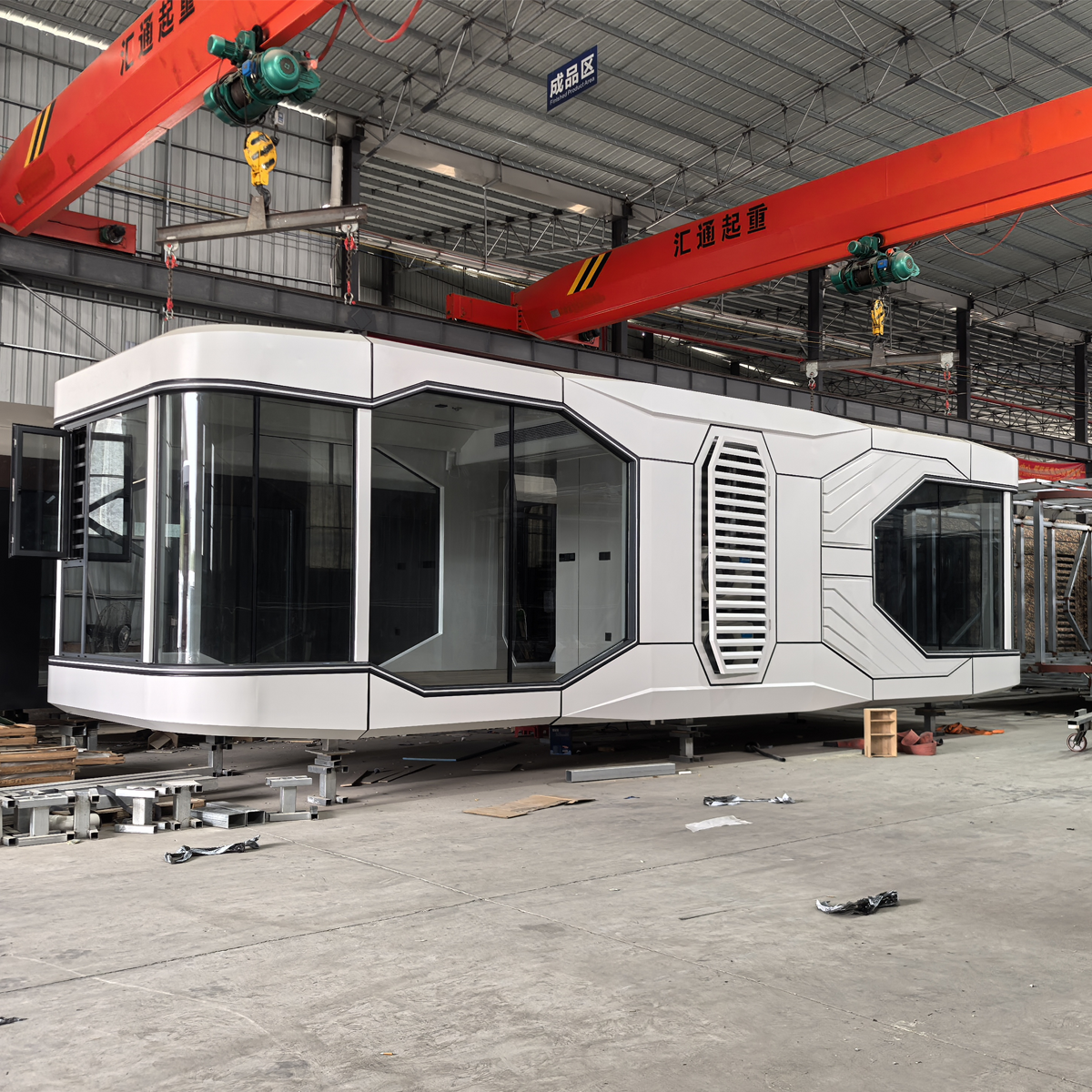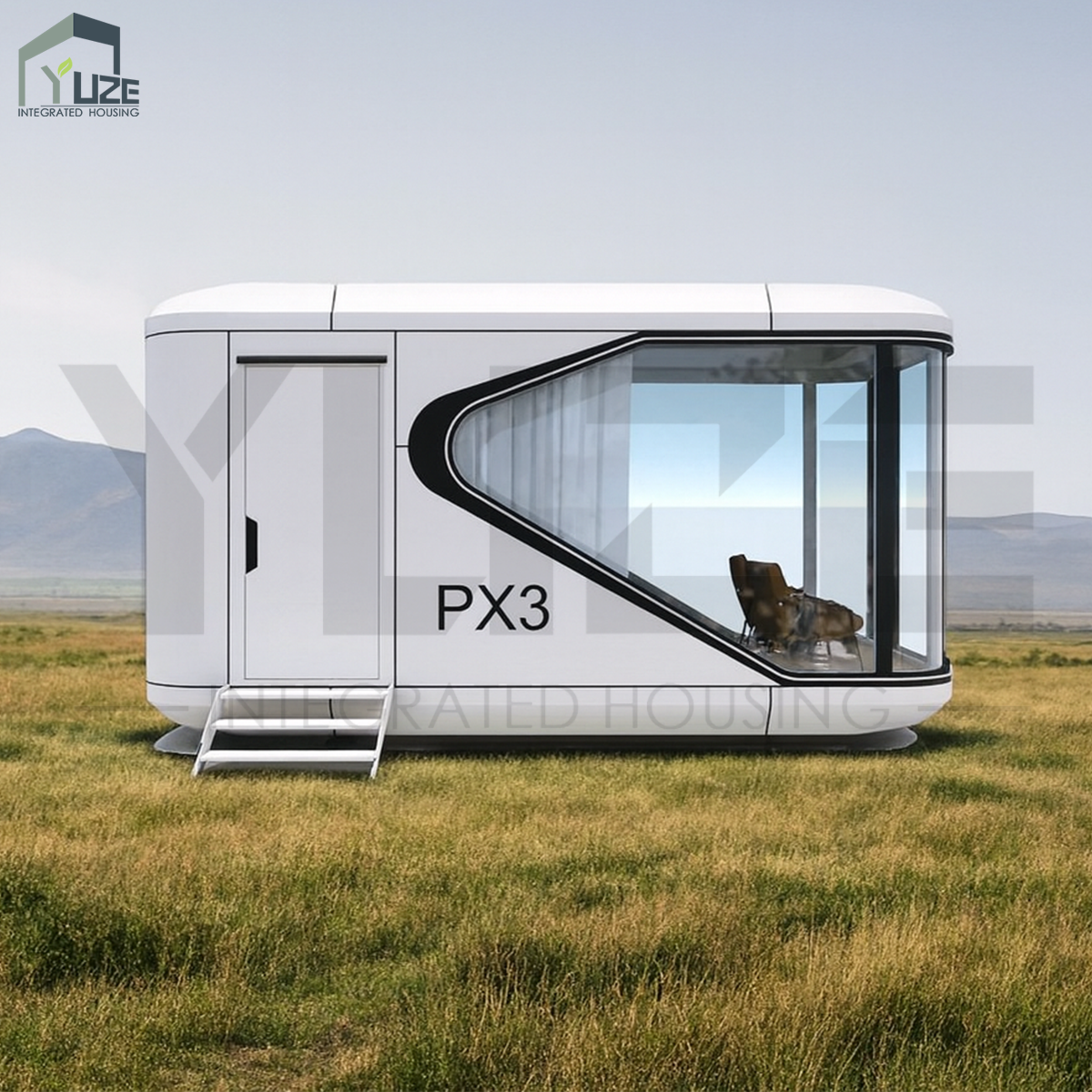
Building a luxury tiny house on the coast demands specialized design strategies to combat salt spray, high winds, and flooding. Prioritizing resilience ensures longevity and safety without compromising aesthetics.
The salty air along coastlines really speeds up corrosion problems, so picking the right materials matters a lot when building near the water. For fasteners, go with marine grade stainless steel instead of regular stuff. Aluminum composite siding works well too, as does thermally treated wood that has passed those salt spray tests from ASTM B117 standards after sitting in brine for over 2000 hours without breaking down. Powder coating on metal parts adds another layer of protection against rust formation. Fiberglass front doors won't corrode at all, and capped composite deck boards keep looking good while holding up structurally. Applying UV protective sealant once per year makes surfaces last longer, which saves money down the road on repairs for buildings facing the ocean or sitting out on patios where sun exposure is constant.
Raising buildings above ground level helps protect against flooding and storm surges. When constructing foundations, driving pilings deep below the frost line offers better stability. If possible, anchoring them into solid bedrock makes things even more secure. Breakaway walls following FEMA's P-55 recommendations can significantly cut down on sideways force from waves during storms. The building frame needs reinforcement through hurricane straps and continuous load paths that channel wind forces straight down to the foundation base. Windows made from impact resistant laminated glass, certified under ASTM E1996 standards for winds over 150 mph, stop flying debris from breaking through. Roof designs matter too - steeper pitches at least 6:12 ratio work best, along with properly sealed joints and standing seam metal roofing materials that resist upward pressure. All these construction practices together satisfy or surpass ICC 600 requirements for homes built in coastal areas, allowing occupants to stay safely inside even when facing Category 4 hurricanes.
When biophilic design meets luxury tiny houses, the result is something that blends right into the surrounding coastal landscape instead of standing out against it. Windows are placed strategically so residents get those amazing ocean views from almost every angle, plus they help with airflow which matters a lot when dealing with humidity near the beach. Most of these homes feature open floor plans that remove walls between inside areas and outside scenery, making small spaces feel bigger than they actually are. Materials like whitewashed wood from old buildings and woven rattan furniture reflect light beautifully during the day and create a calm atmosphere matching nearby beaches. Some designs incorporate vertical gardens on walls both inside and outside, adding greenery while also filtering the air better for people living in tight quarters. For ventilation, many builders install opposing windows following specific standards (like ASHRAE 62.2) to take advantage of ocean breezes, cutting down on air conditioning needs by around 30 percent in milder coastal regions.
Space efficiency defines coastal luxury through multi-functional fixtures that merge sophistication with practicality. Custom cabinetry built from marine-grade plywood and fitted with soft-close mechanisms offers concealed, salt-resistant storage for beach gear and daily essentials. Key integrated elements include:
| Feature | Functionality | Aesthetic Integration |
|---|---|---|
| Convertible seating | Transforms from sofa to guest bed | Upholstered in fade-resistant linen |
| Pull-out countertops | Expands food prep areas when needed | Butcher block with wave-pattern inlays |
| Vertical storage walls | Holds water sports gear vertically | Nautical rope detailing |
Quartz waterfall countertops withstand humidity and echo ocean tones, while recessed LED lighting delivers task illumination without visual clutter. These solutions uphold the luxury tiny house ethos—proving constrained square footage needn’t compromise elegance, utility, or enduring performance.
Getting full independence for those luxury tiny homes along the coast really depends on combining renewable power sources with efficient water management systems. The latest solar roofs actually have these little solar cells built right into the roofing material itself. These meet important safety standards for fire and wind resistance too, all while producing enough electricity to cover every need in the house. Alongside this comes a clever water recycling system that cleans up and reuses greywater through several stages of filtering. Think things like membrane bioreactors and activated carbon filters working together to cut down on fresh water usage by nearly 90 percent. All these elements work hand in hand to create self sufficient living spaces without compromising comfort or style.
Validated in real-world deployments—including the 2023 California Coastal Commission’s off-grid pilot program—these systems transform environmental constraints into advantages, enabling permanent, zero-infrastructure residency even in high-exposure beachfront locations.
Getting a luxury tiny house approved along the coast takes careful planning and knowing what rules apply where. Take the recent 320 sq ft beachfront project in Ventura County as an example. The owners spent nearly a year working through all the paperwork, making sure everything matched up with FEMA flood maps and met CEQA standards before finally getting their building permits. They had to deal with several tough spots too, like proving how utilities would connect properly and staying within those strict setback lines. To overcome these issues, they went with engineered pile foundations and got that crucial coastal development permit certified. While this shows it's possible to get approval for coastal tiny homes, everyone knows the process isn't one size fits all. Requirements change depending on which county someone is in and what kind of coastal zone they're dealing with, so timing can be unpredictable.

Guangzhou Yuze Integrated Housing Co., Ltd.
Copyright © Guangzhou Yuze Integrated Housing Co., Ltd. - Privacy policy

 EN
EN