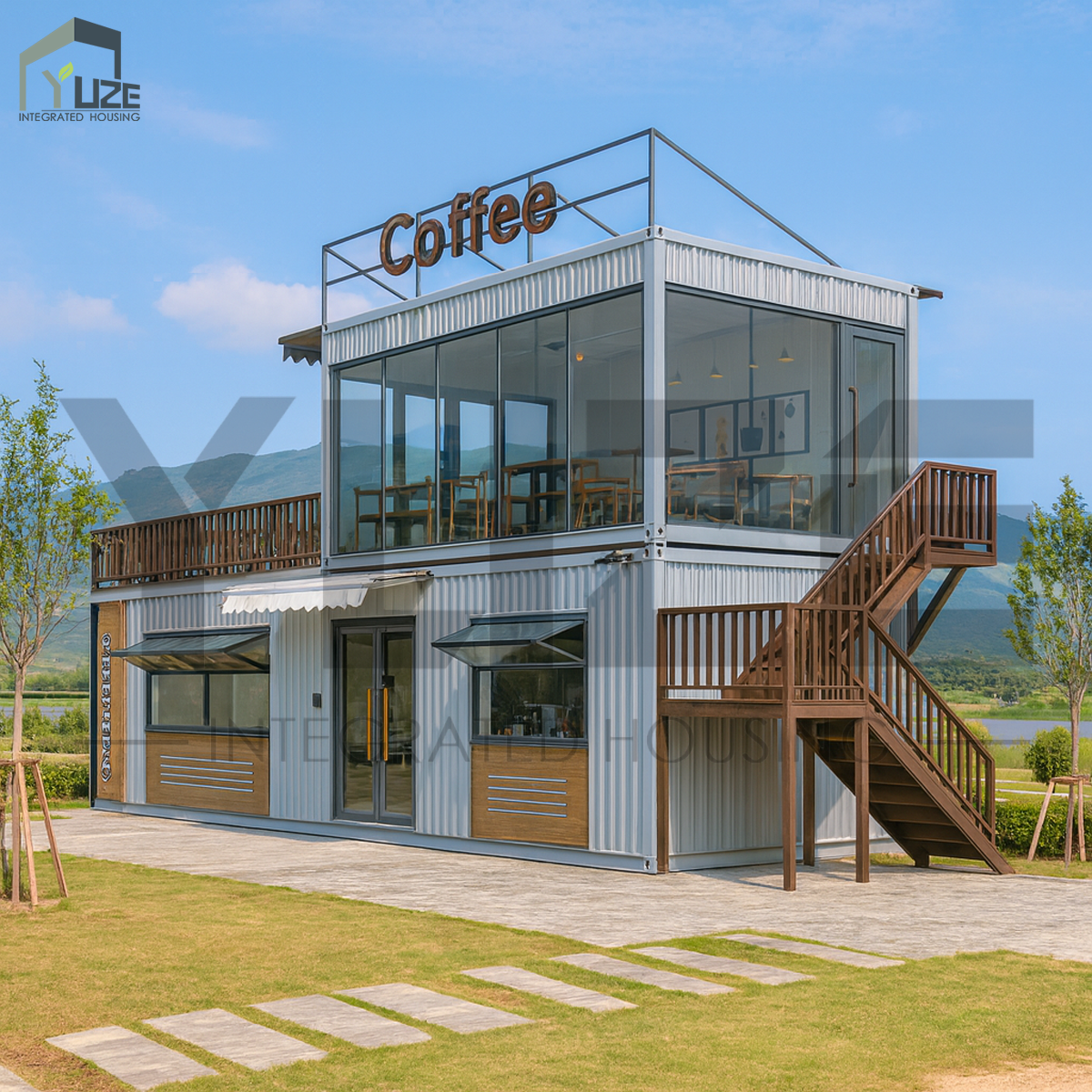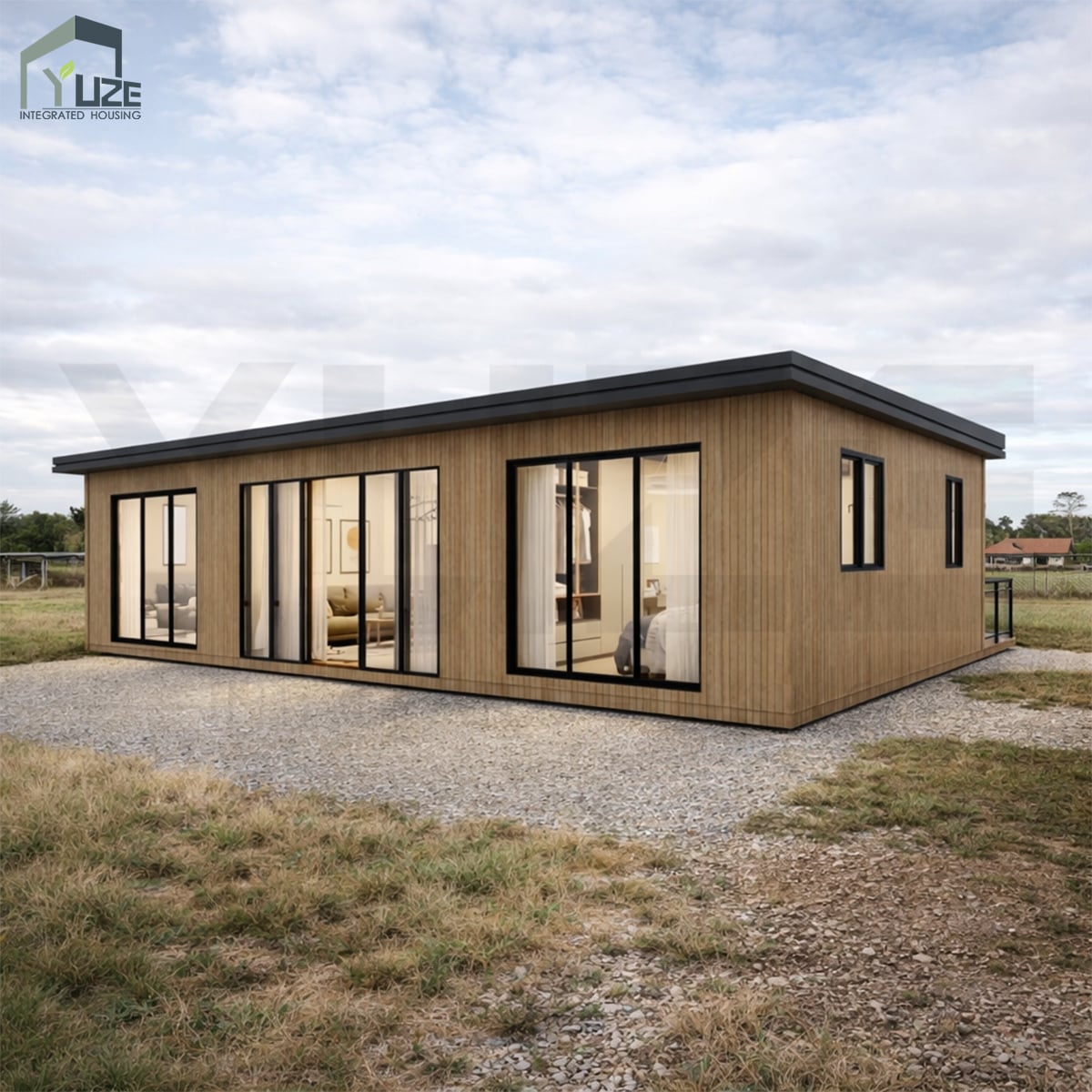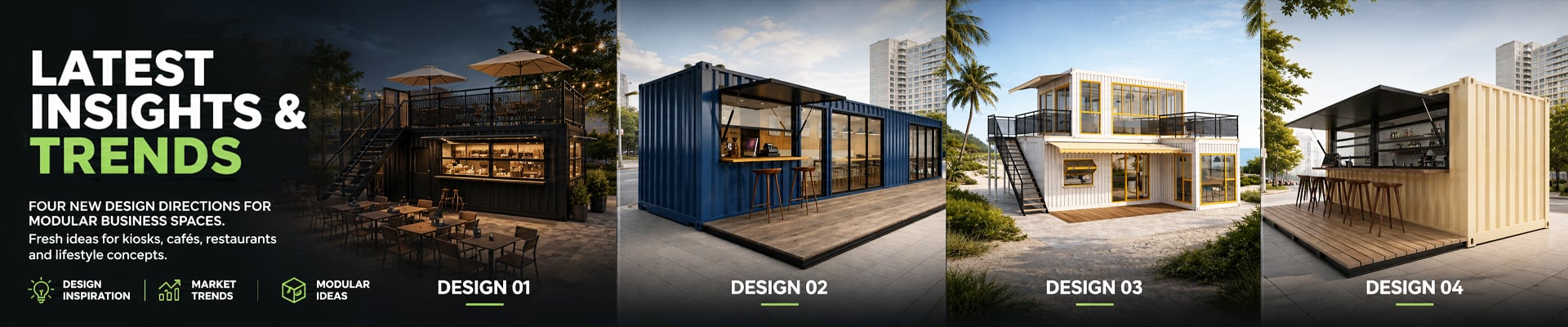
Whether you are planning a residential home, a resort cabin, a commercial office, or a retail space, construction cost is often the deciding factor. Over the past few years, shipping container buildings have moved from niche projects into mainstream construction discussions. Developers, investors, and property owners are increasingly comparing shipping container building costs with traditional construction costs to determine which option delivers the best value.
At first glance, many people assume that shipping container buildings are dramatically cheaper than conventional buildings. The reality is more complex. The total project cost depends on factors such as site preparation, labor, transportation, permits, insulation, interior finishing, and long-term maintenance. A fair comparison requires looking beyond the initial purchase price and evaluating the entire lifecycle of the building.
For modern projects that prioritize speed, flexibility, and cost control, container-based construction has become an increasingly attractive alternative. Companies such as Yuze Housing specialize in customized shipping container homes, commercial spaces, modular offices, restaurants, and integrated housing solutions, helping clients complete projects more efficiently through factory-built modular systems.
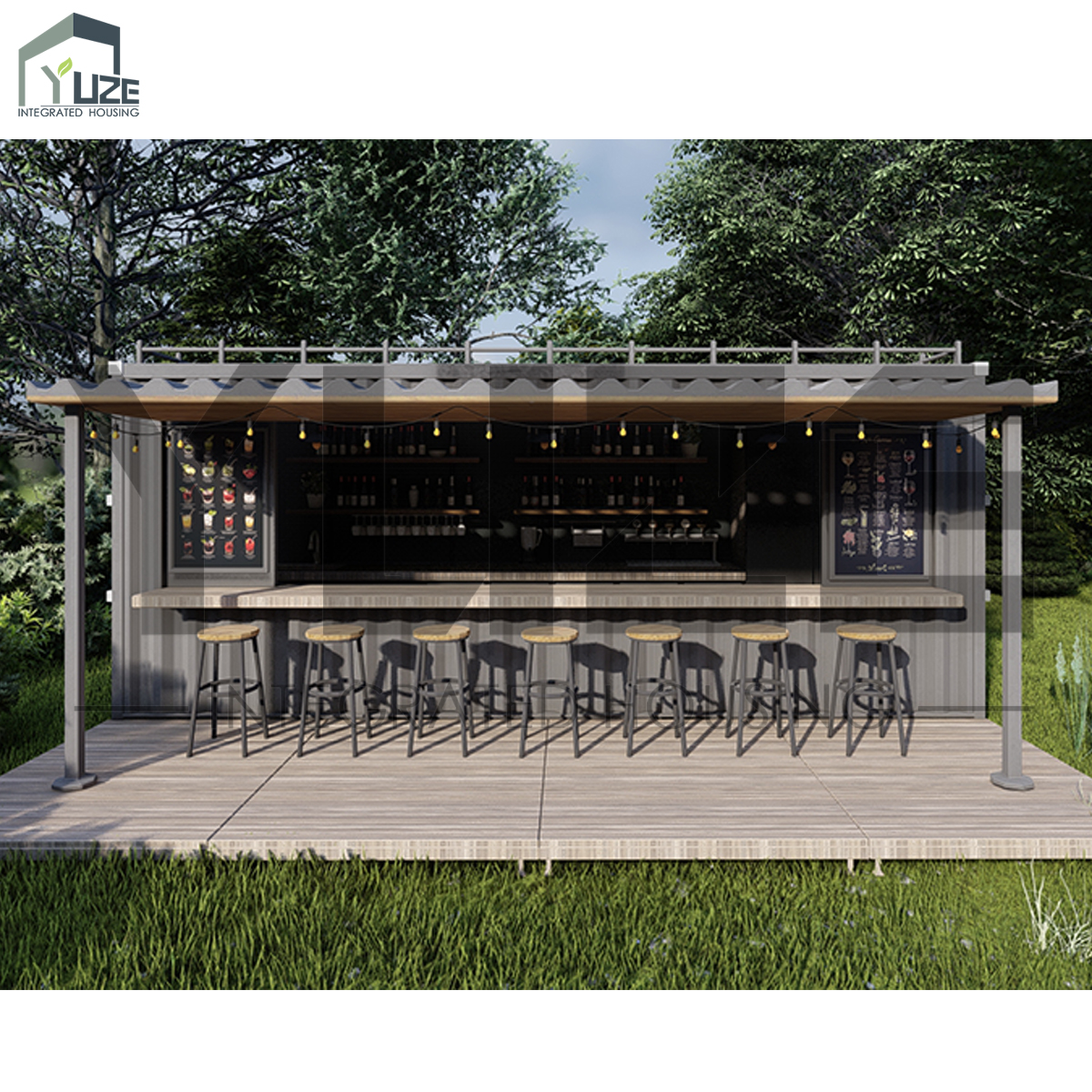
One of the biggest misconceptions about container construction is that the container itself represents the majority of the project budget. In reality, the container is only one component of the final cost.
A traditional construction project typically includes:
Site excavation and foundation work
Structural framing
Roofing systems
Exterior walls
Plumbing and electrical installation
Interior finishing
Labor and project management
A shipping container building also requires many of these elements, but benefits from having a pre-engineered structural shell already in place. Because the primary structure exists before construction begins, material consumption and labor requirements can often be reduced.
Industry cost studies show that completed container-based projects can offer savings in certain applications, particularly when project size is moderate and site conditions allow efficient transportation and installation. However, highly customized luxury projects may narrow the cost gap between container and conventional construction.
For example, a small container office or container home can often be delivered and installed much faster than a comparable site-built structure. Yuze Housing offers fully customized container homes, offices, cafés, restaurants, and commercial units that arrive largely prefabricated, reducing on-site construction requirements.
Labor represents one of the fastest-growing expenses in the construction industry. This is where shipping container construction often gains a significant advantage.
Traditional construction follows a sequential process. Foundations must be completed before framing begins. Framing must be completed before roofing, mechanical systems, and interior work can proceed. Any delay can affect the entire project schedule.
Modular shipping container construction works differently. While site preparation is underway, the building modules can be manufactured simultaneously in a factory environment. This parallel workflow reduces project duration and lowers labor requirements.
According to modular construction studies, projects using factory-built modular methods can reduce overall construction schedules by 40% to 50% compared with traditional site-built methods. Factory-controlled production also minimizes weather-related delays and improves scheduling predictability.
In one hospitality project I observed, the owner needed additional guest accommodations before the peak tourist season. A traditional building timeline would have pushed completion beyond the opening date. By selecting modular container units, installation was completed within weeks, allowing the property to generate revenue during its busiest period. The financial benefit of opening earlier ultimately exceeded the savings on construction materials.
Construction cost is only part of the equation. Smart investors also evaluate long-term operating expenses.
Traditional buildings often perform well over decades but may require extensive renovation when expansion or layout changes become necessary. Shipping container buildings offer greater flexibility for future growth because additional modules can often be integrated into the existing structure.
Energy efficiency also plays an important role. Modern container buildings utilize advanced insulation systems, energy-efficient windows, and factory-controlled construction processes to improve thermal performance. When properly designed, a shipping container building can achieve energy efficiency levels comparable to many conventional structures.
Another advantage is reduced material waste. Factory manufacturing allows more precise material management and quality control, reducing unnecessary waste generated during construction. Modular housing studies have reported significant reductions in material waste compared with conventional building methods.
For commercial developers, the ability to expand operations quickly can be a major financial advantage. Restaurants, retail stores, container cafés, workforce housing, and resort accommodations often benefit from modular expansion capabilities that would be more disruptive and expensive with traditional construction.
The answer depends on the project's objectives.
Traditional construction remains an excellent choice for highly customized architectural projects, luxury residences with complex layouts, and buildings requiring extensive site-specific design. It offers maximum design freedom and remains the preferred option for many large-scale developments.
Shipping container construction, however, delivers compelling advantages in several key areas:
Faster project completion
Lower labor requirements
Reduced material waste
Predictable factory-controlled quality
Easier future expansion
Reduced weather-related construction delays
Greater flexibility for relocation or modular growth
Yuze Housing has completed modular housing and commercial projects in more than 40 countries, demonstrating how container-based construction can support residential, hospitality, retail, office, and public-use applications. Their integrated approach combines design, manufacturing, logistics, and installation services to simplify project delivery.
Rather than asking which construction method is universally cheaper, investors should ask which method creates the greatest overall value. A building that costs slightly more initially but reaches operation months earlier may generate a stronger return on investment than a lower-cost project with significant delays.
Not always. Cost depends on design complexity, site conditions, local labor rates, permitting requirements, and interior finishes. Simple modular projects often show stronger cost advantages than highly customized luxury builds.
Many modular projects can reduce construction schedules by 40% to 50% because site work and building fabrication occur simultaneously.
When properly engineered, insulated, and maintained, shipping container buildings can provide decades of service and meet the same building standards required for permanent structures.
Yes. Modern container buildings can incorporate high-performance insulation, efficient windows, and sustainable building materials that significantly improve energy performance.
For projects requiring rapid deployment, scalability, and faster return on investment, shipping container construction is often highly competitive. Traditional construction may be preferred for large, highly customized developments.
The debate between shipping container building cost and traditional construction cost is not simply about which option is cheaper. It is about understanding the relationship between budget, construction speed, operational efficiency, and long-term value.
For businesses and developers seeking faster delivery, predictable quality, and future expansion flexibility, shipping container buildings provide a practical and increasingly popular solution. As modular construction technology continues to advance, container-based structures are becoming an important part of the future of residential and commercial development.
The most successful projects are not necessarily the ones with the lowest construction budget. They are the projects that achieve the best balance between cost, performance, durability, and long-term return on investment.

Guangzhou Yuze Integrated Housing Co., Ltd.
Copyright © Guangzhou Yuze Integrated Housing Co., Ltd. - Privacy policy

 EN
EN