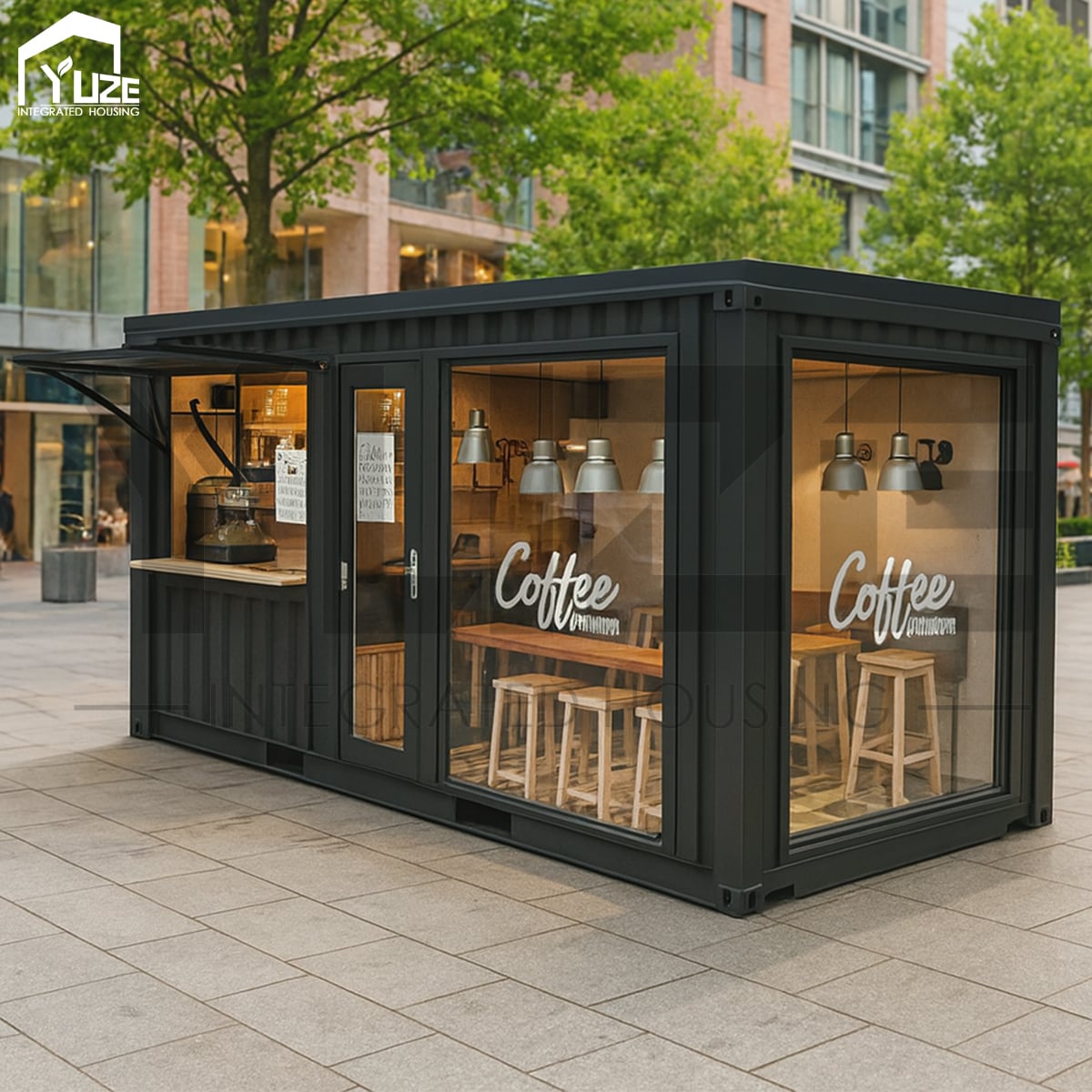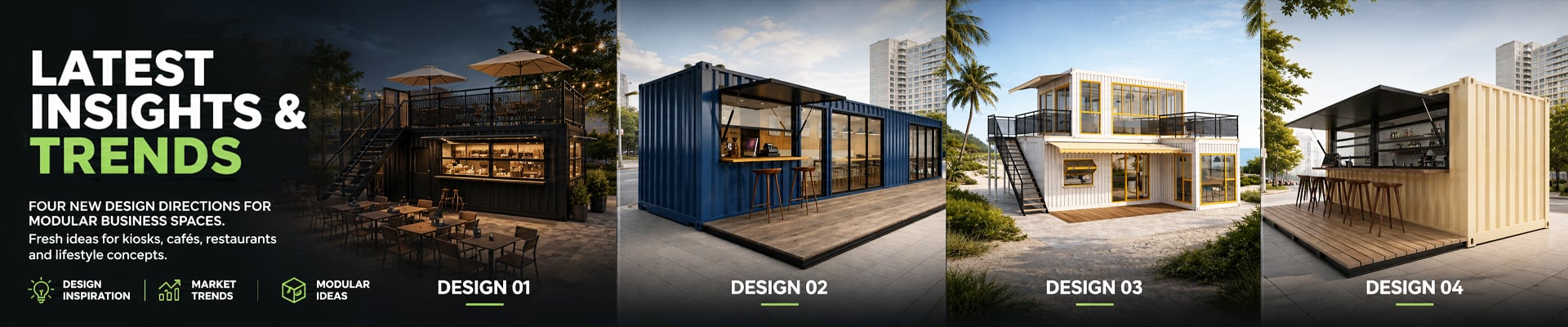
Construction costs continue to rise worldwide, pushing developers, businesses, and homeowners to explore alternative building methods. One solution gaining significant attention in 2026 is the container building. Modern container building technology has evolved far beyond simple converted shipping containers. Today, it represents a sophisticated form of modular construction capable of supporting residential housing, commercial facilities, hospitality projects, workforce accommodation, educational buildings, and retail spaces.
As project budgets become tighter and construction timelines become more important, many investors are comparing container building costs with traditional construction methods. While both options can deliver durable and functional structures, the differences in project timelines, labor requirements, scalability, and long-term operating costs can have a major impact on overall investment returns.
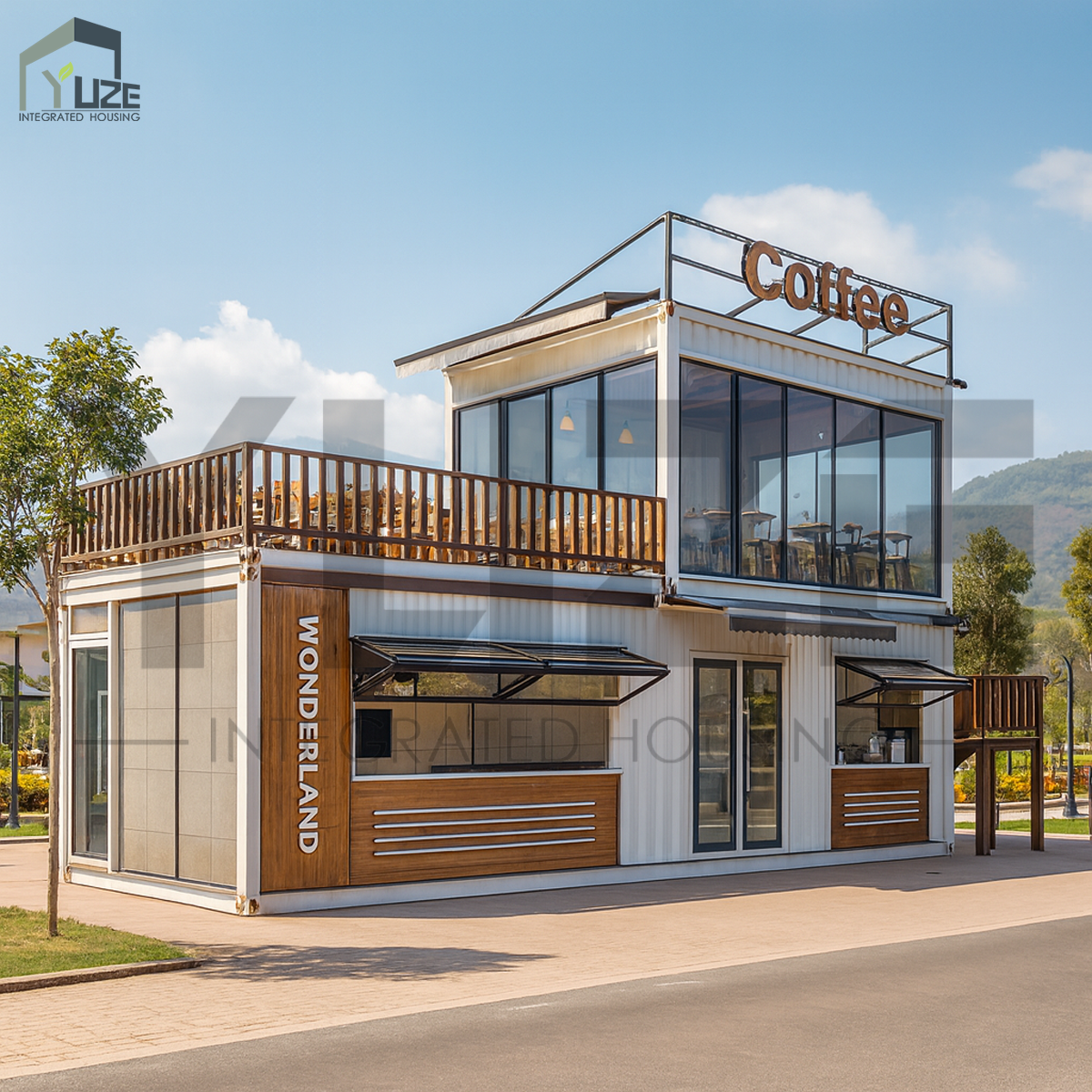
The cost of a container building is influenced by several factors, and understanding these variables is essential before making any investment decision.
The first factor is project size. A single-module office or compact container home naturally costs less than a multi-story modular development. Design complexity also plays a major role. Open layouts, large glass facades, customized interiors, premium finishes, and specialized engineering requirements can increase overall costs regardless of the construction method.
Location is another key consideration. Transportation expenses, local labor rates, permit requirements, utility connections, and foundation work vary significantly between regions. In some remote locations, a container building may offer substantial savings because much of the construction is completed before delivery to the site.
Factory-based manufacturing also contributes to cost predictability. Unlike traditional construction projects that may encounter unexpected weather delays or labor shortages, modular container systems are produced in controlled environments where schedules and material usage can be managed more efficiently. This approach helps reduce budget overruns and minimizes construction waste.
Many people focus solely on material costs when comparing modular construction with traditional buildings. However, the largest savings often come from project efficiency rather than the structure itself.
Traditional construction typically follows a step-by-step process. Foundation work must be completed before framing begins. Roofing, electrical systems, plumbing installation, insulation, and interior finishing are then completed sequentially. Delays at any stage can affect the entire project schedule.
A container building operates differently. While site preparation is underway, the modules are manufactured simultaneously in the factory. This parallel workflow significantly reduces construction timelines.
In one resort accommodation project I reviewed, the developer needed guest units ready before the start of the tourism season. Traditional construction estimates suggested completion several months after the opening date. By using modular container buildings, the project was installed and operational far earlier than expected. The additional revenue generated during peak season offset a significant portion of the project investment.
For businesses where speed to market matters, faster project completion often creates greater financial value than construction savings alone.
Evaluating construction methods based only on initial expenses can lead to inaccurate conclusions. Long-term ownership costs deserve equal attention.
Modern container buildings are designed with durability and efficiency in mind. High-strength steel structures, advanced insulation systems, corrosion-resistant coatings, and energy-efficient windows help improve long-term performance. When properly engineered and maintained, a container building can provide decades of reliable service.
Maintenance requirements may also differ. Factory-built modular systems benefit from standardized production processes and quality control procedures, which often reduce the likelihood of construction defects. Consistent manufacturing standards can help owners avoid some of the repair costs that occasionally arise from site-built inconsistencies.
Energy consumption is another important factor. Well-insulated container buildings can achieve excellent thermal performance, reducing heating and cooling expenses throughout the life of the building. For commercial operators managing multiple units, these savings can accumulate substantially over time.
Future expansion should also be considered. Traditional buildings frequently require extensive renovations when additional space is needed. Container building systems, on the other hand, are naturally modular and can often be expanded with additional units while minimizing disruption to existing operations.
The popularity of container building solutions continues to grow because they address many of the challenges facing today's construction industry.
Labor shortages remain a concern in many markets. Rising material costs continue to affect project budgets. At the same time, developers are under pressure to complete projects faster and improve sustainability performance.
Container building systems help address these challenges by combining factory manufacturing, standardized production, and modular flexibility. The result is a building process that is often more predictable, scalable, and efficient than conventional construction.
Industries such as hospitality, education, healthcare, workforce housing, retail, and temporary accommodation have increasingly adopted modular building solutions because they can be deployed quickly while maintaining professional quality standards. Businesses also appreciate the ability to relocate, reconfigure, or expand modular facilities as operational requirements evolve.
The shift toward modular construction is no longer limited to temporary structures. Permanent residences, luxury accommodations, commercial complexes, and mixed-use developments are increasingly utilizing container-based building systems as part of their long-term growth strategies.
There is no single construction method that fits every project. Traditional buildings remain suitable for highly customized architectural designs and developments with unique structural requirements. However, container building solutions offer compelling advantages for projects that prioritize speed, cost control, scalability, and operational efficiency.
The most effective way to compare options is to evaluate the entire project lifecycle rather than focusing exclusively on initial construction expenses. Factors such as construction schedule, labor costs, future expansion potential, maintenance requirements, and energy performance all contribute to total ownership costs.
For many projects in 2026, modular container construction provides a balanced combination of affordability, flexibility, and long-term value. As technology continues to improve and adoption increases worldwide, container building solutions are expected to play an increasingly important role in modern construction.
In many cases, container buildings can reduce labor costs and shorten construction schedules, which may lower total project expenses. Actual savings depend on project scope, design complexity, and local conditions.
Because manufacturing and site preparation can occur simultaneously, container building projects are often completed significantly faster than traditional construction projects.
Yes. Modern container building systems are commonly used for permanent residential, commercial, hospitality, and institutional applications.
Modular construction generally produces less material waste and allows more efficient resource utilization compared with many conventional building methods.
For projects that value scalability, speed, and operational flexibility, a container building can provide strong long-term value and competitive returns on investment.
When comparing modular construction with traditional buildings in 2026, the discussion extends far beyond simple construction costs. A container building offers advantages in project speed, labor efficiency, scalability, and long-term operational performance. Traditional construction still serves many applications well, but modular building technology has become a serious competitor across residential, commercial, and industrial sectors.
The smartest investment decisions are made by evaluating both immediate costs and future value. For developers, businesses, and property owners seeking efficient construction solutions, container building systems continue to demonstrate why they are becoming a preferred choice in the modern construction industry.

Guangzhou Yuze Integrated Housing Co., Ltd.
Copyright © Guangzhou Yuze Integrated Housing Co., Ltd. - Privacy policy

 EN
EN