 EN
EN

Container Shop Zoning Requirements: Compliance Guide for Entrepreneurs
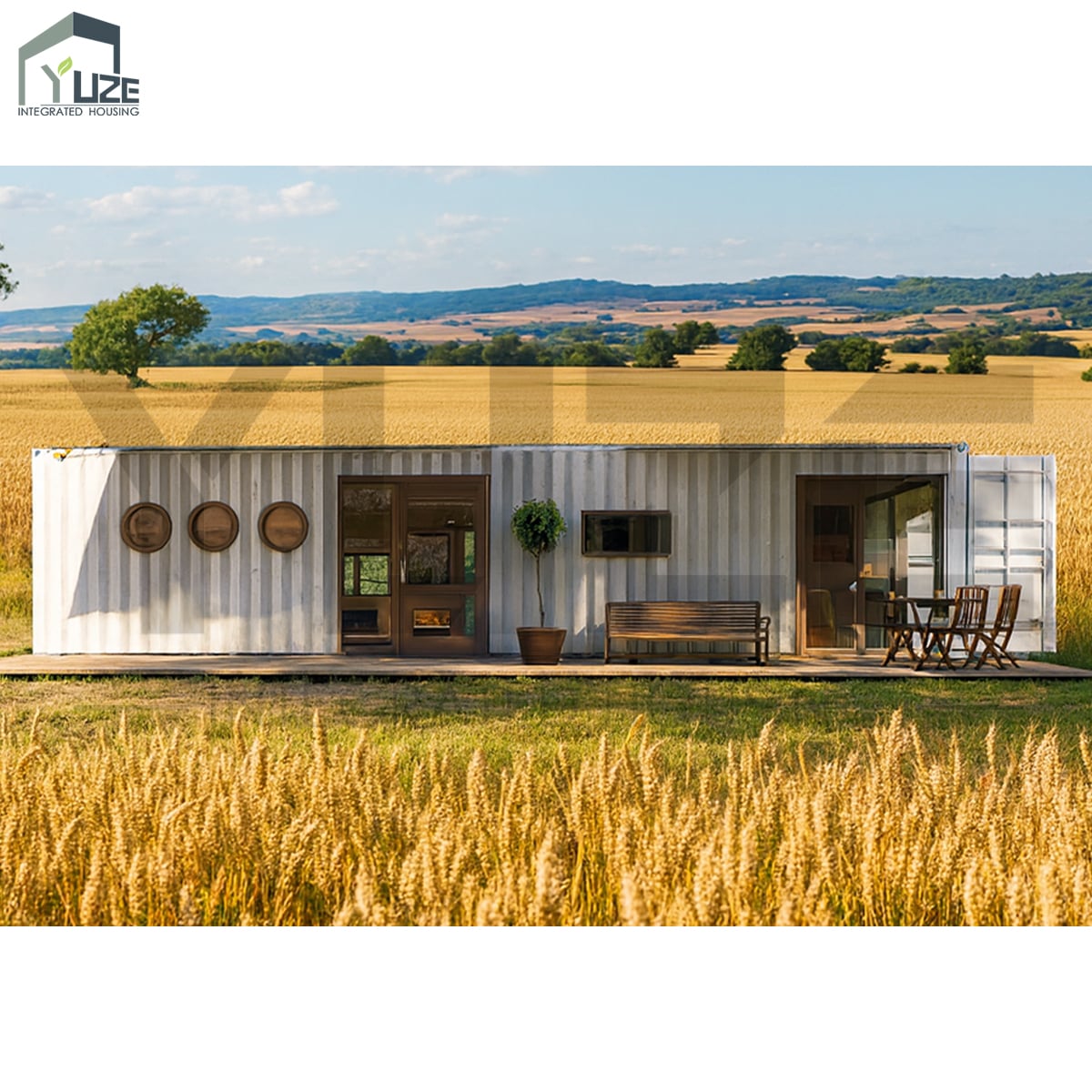
Running a container shop means balancing aesthetic appeal, practical functionality, and local code compliance, all within a tight timeline. One of the most common mindset shifts entrepreneurs experience is discovering that local zoning approval for a container shop is something they — not just their supplier — need to manage proactively. Before you finalize your container shop spec or place a manufacturing order, it's worth confirming exactly which zoning and permit requirements apply in your jurisdiction.
This guide walks through the core compliance areas container shop entrepreneurs need to understand, along with a practical step-by-step checklist you can use before breaking ground.
Container Shops Are a Commercial Use — and Zoning Reflects That
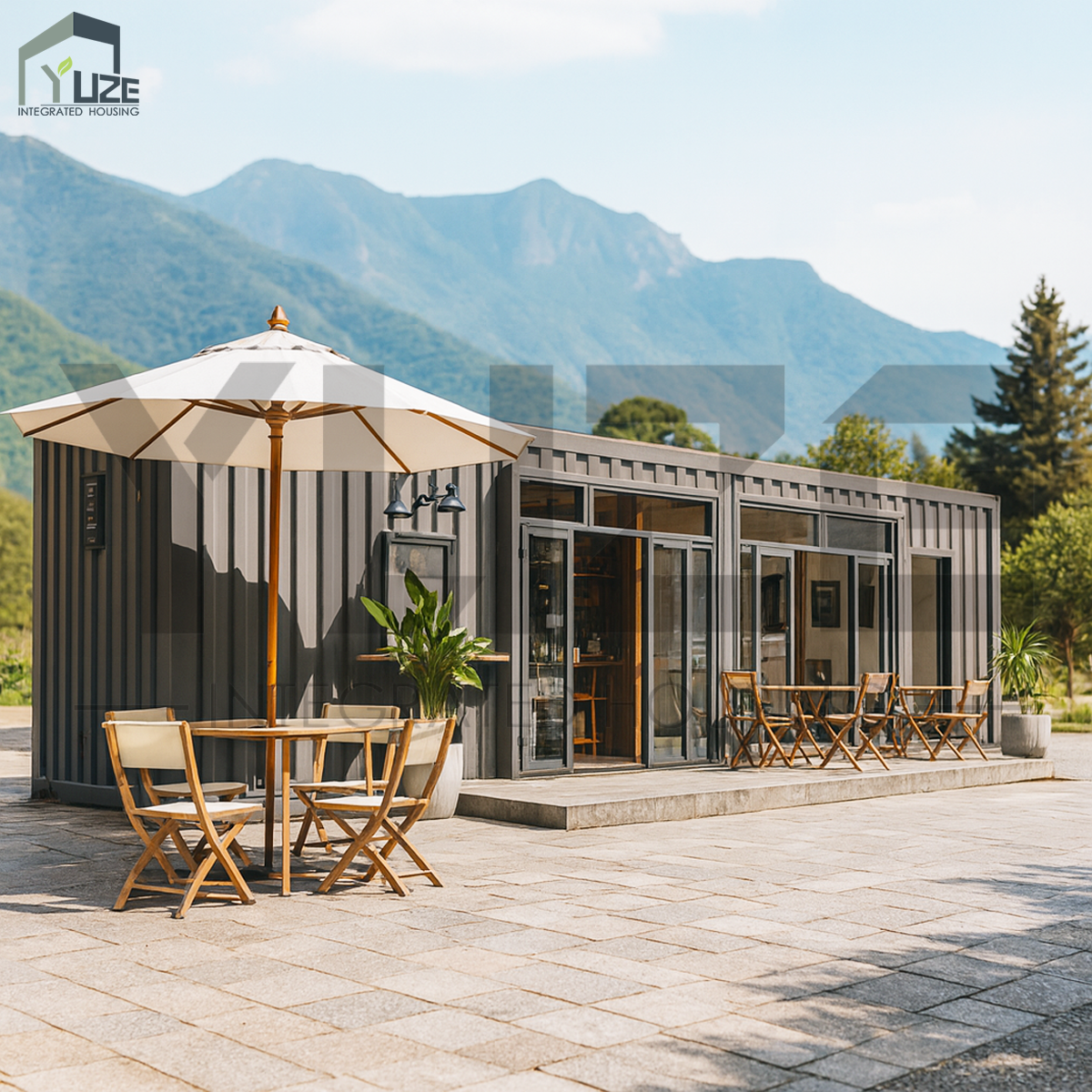
Before applying for any permits, the first question is whether your intended site is zoned for commercial activity. Container shops typically fall under commercial or mixed-use zoning classifications, not residential or industrial zoning. Placing a container shop in a residentially-zoned area without a variance or special-use permit is one of the most frequent early-stage compliance mistakes entrepreneurs make.
If your container shop project is in a business zone, local planning authorities will often require a site plan review before issuing any permit. The review typically covers:
- The intended commercial use of the container structure
- Setback distances from property lines, roads, and neighboring structures
- Parking and pedestrian access requirements
- Signage placement limits and exterior appearance standards
Proactively navigating these requirements, rather than assuming your manufacturer handles them, is what separates container shop projects that open on schedule from those that hit last-minute delays.
Building Permits: When They Are Required and What They Cover
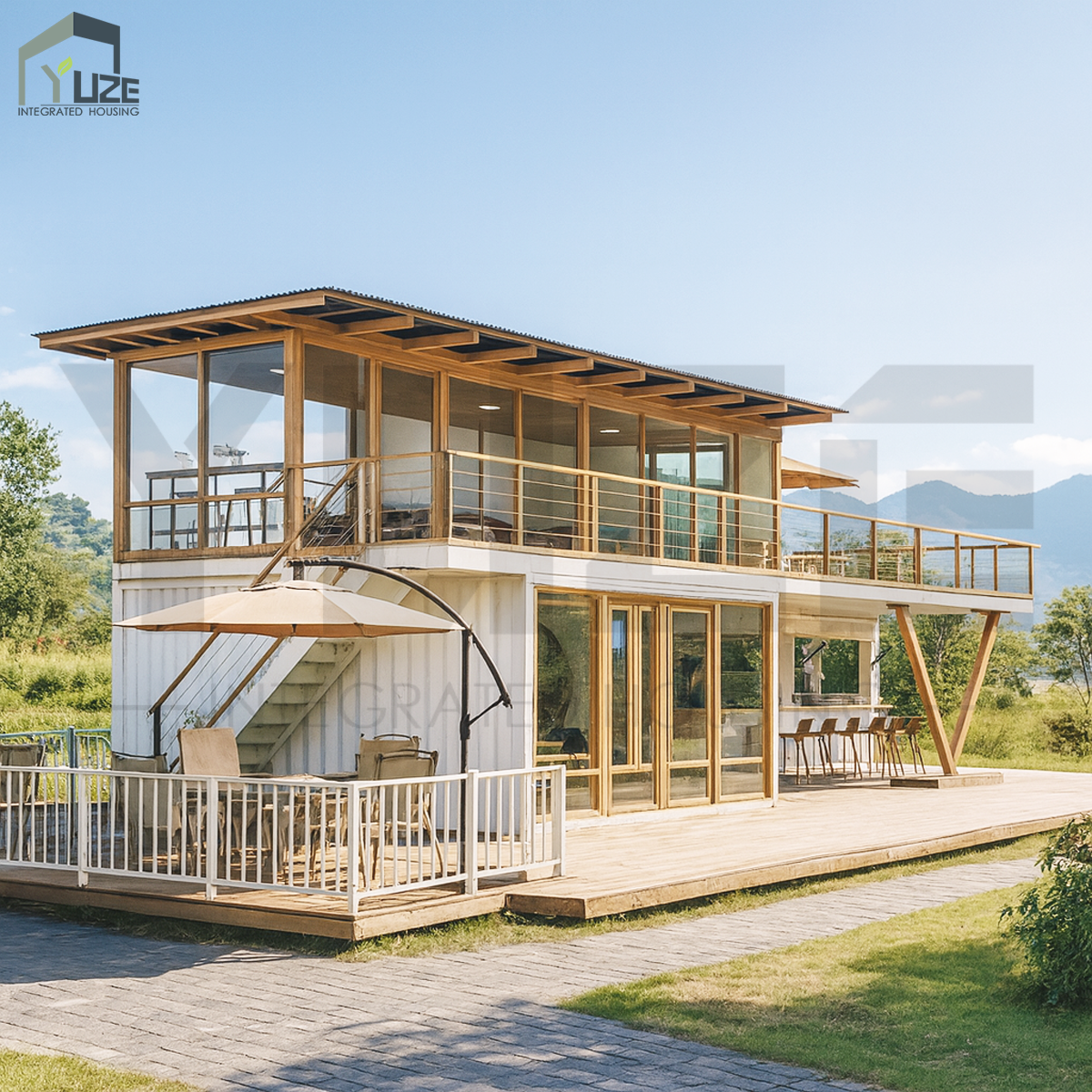
A building permit is mandatory for placing a shipping container on a property when it is intended for permanent or semi-permanent use as a shop, office, or customer-facing business. In most jurisdictions, this requirement applies as soon as the structure is intended to be occupied. The permit application must include detailed site plans showing the intended use, structural configuration, and utility connections.
Some municipalities allow temporary container placements without permits for 30 to 90 days — a provision that may apply to pop-up retail events or short-term installations. If your container shop is meant to operate beyond that window, assume a permit will be required and plan your timeline accordingly.
Permit requirements vary enough by municipality that it's difficult to give a reliable estimate of cost or timeline without checking locally — but knowing what documentation to prepare can significantly reduce processing time. Some jurisdictions charge as little as $25 to $100 in initial registration fees, though full commercial permits carry additional review costs.
IBC Standards and Structural Compliance for Container Shops
Container shop structures used as permanent buildings are typically evaluated under the International Building Code (IBC). IBC Section 3115, which covers intermodal shipping containers adapted for occupancy, has been adopted across many US jurisdictions and establishes baseline requirements for:
- Structural integrity and load-bearing capacity under container modifications
- Modifications to door openings, roof penetrations, and wall cutouts
- Foundation anchoring and leveling requirements
- Insulation and thermal performance where customer occupancy is involved
Containers used for commercial purposes — including shops and food service — must meet stricter standards than those used purely for storage. Structural modifications such as window cutouts, door enlargements, and HVAC penetrations made without engineering sign-off are a common source of failed inspections.
If you are sourcing a container shop from an overseas manufacturer, ask for documentation that the structural modifications your design requires have been carried out according to a verifiable fabrication standard. Manufacturers experienced in supplying North American, European, and Australian markets typically maintain documentation packages that can support local permit applications.
Commercial-Use Compliance: Fire Codes, Accessibility, and Utilities
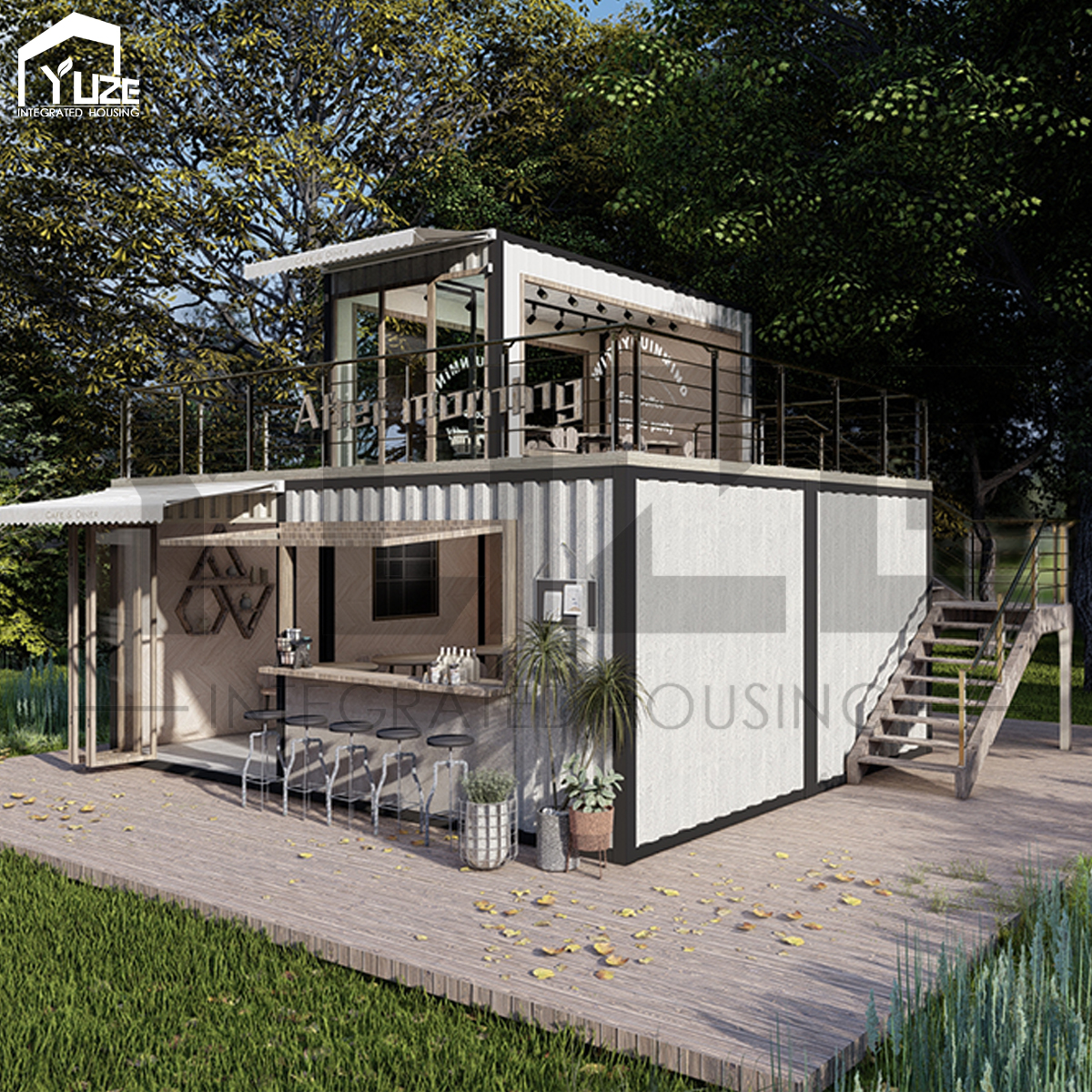
Beyond zoning and structural permits, container shops face a second layer of commercial compliance requirements. These vary by jurisdiction but commonly include:
- Fire safety: Egress widths, fire-rated wall assemblies, smoke detection, and sprinkler systems where occupancy load thresholds apply
- Accessibility: ADA compliance (US) or equivalent local accessibility standards for customer-facing spaces, including entrance ramps, door widths, and restroom access requirements
- Electrical and plumbing: Connections to local utilities or approved off-grid alternatives, inspected and approved by licensed tradespeople
- Health and food safety: If your container shop involves food preparation or service, separate food-service licensing and kitchen-specific inspections apply in addition to building permits
Container Shop Compliance Checklist
Before you finalize your container shop configuration, work through the following checklist:
- Confirm zoning classification: Verify that the site is zoned for your intended commercial use. Contact the local planning or zoning authority directly.
- Check for overlay districts: Some sites fall within historic preservation districts, flood zones, or other overlay areas with additional design and permitting requirements.
- Identify the applicable building code: Determine whether your jurisdiction follows the IBC and whether Section 3115 has been locally adopted for container structures.
- Engage a local architect or engineer early: Structural modifications need engineering review before manufacturing begins. Engaging a licensed professional early prevents costly redesigns after production starts.
- Prepare a site plan: Include the container footprint, setback measurements, utility connection points, parking layout, and pedestrian access paths.
- Apply for building permits before delivery: Permit approval timelines range from a few weeks to several months depending on jurisdiction. Starting the permit process before your container ships avoids costly storage fees at the destination port.
- Verify commercial-use compliance requirements: Confirm fire egress standards, accessibility requirements, and utility inspection protocols with your local building department.
- Request manufacturer documentation: Obtain fabrication records, material certifications, and modification drawings from your supplier to support the permit review process.
Working with Your Manufacturer to Simplify Compliance
Working with an experienced container shop manufacturer can simplify the compliance process considerably, starting with access to documentation packages. A supplier familiar with North American, European, and Middle Eastern compliance environments can typically provide material certifications, structural drawings, and modification records in formats that align with permit submission requirements in those markets.
A common surprise in container shop projects is discovering that foundation preparation and site-specific permit modifications require more lead time than the manufacturing phase itself. Coordinating with your manufacturer before the container enters production allows design decisions and compliance requirements to be resolved in parallel, rather than sequentially after delivery.
Before moving forward, ask yourself: have you confirmed the zoning classification for your site, and do you know which building code your jurisdiction applies? Getting clear answers to both questions early will define the rest of your compliance path and help you avoid the delays that catch many first-time container shop entrepreneurs off guard.
Summary: What Every Container Shop Entrepreneur Needs to Know
Container shop zoning requirements span four main areas: zoning district eligibility, building permits, structural standards (including IBC Section 3115 for container modifications), and commercial-use compliance covering fire safety, accessibility, and utility connections. Compliance is ultimately the entrepreneur's responsibility — your supplier can provide supporting documentation, but local approvals require your direct engagement with planning and building authorities. Starting the compliance process early, ideally before placing your manufacturing order, gives you a stronger chance of opening on schedule and avoiding costly rework.