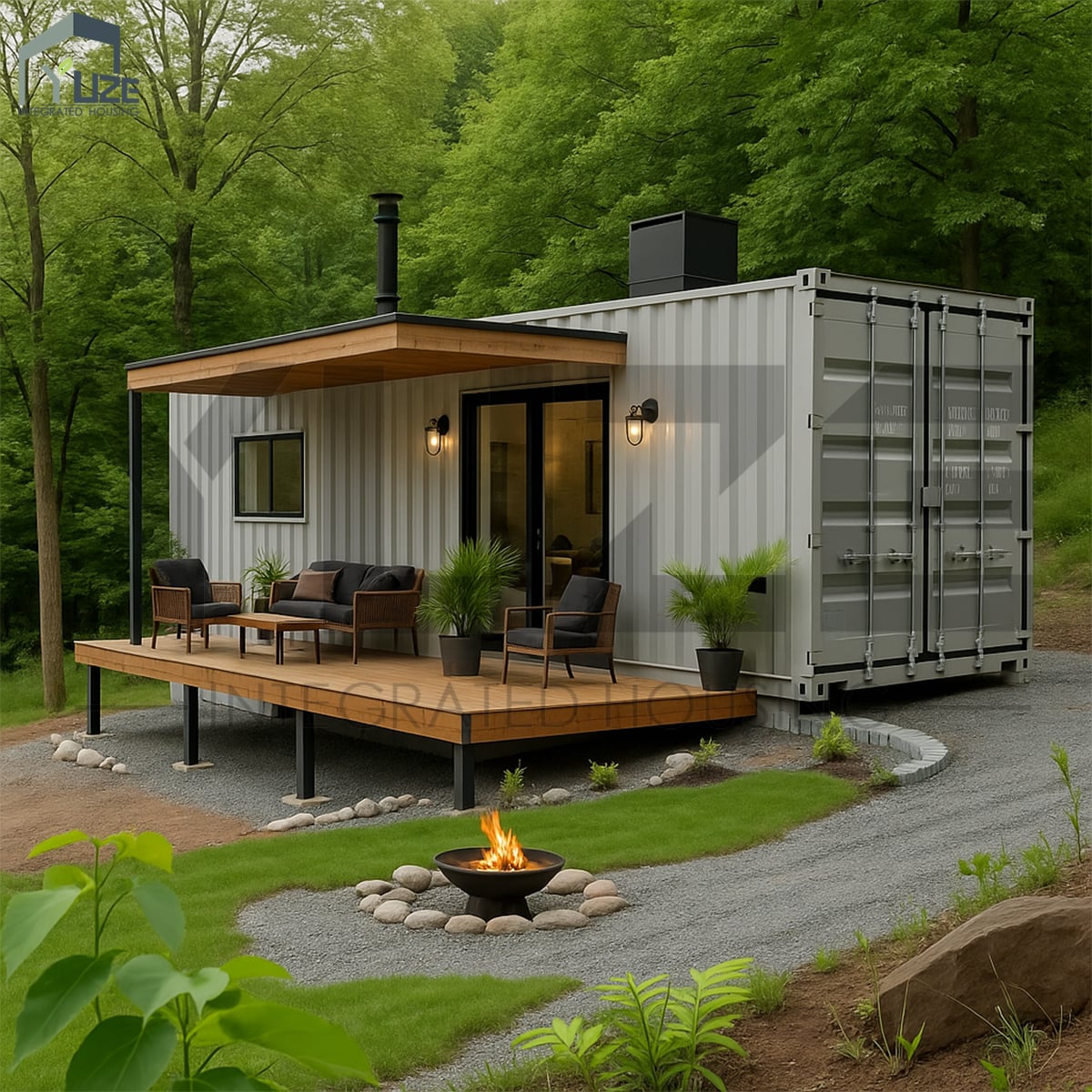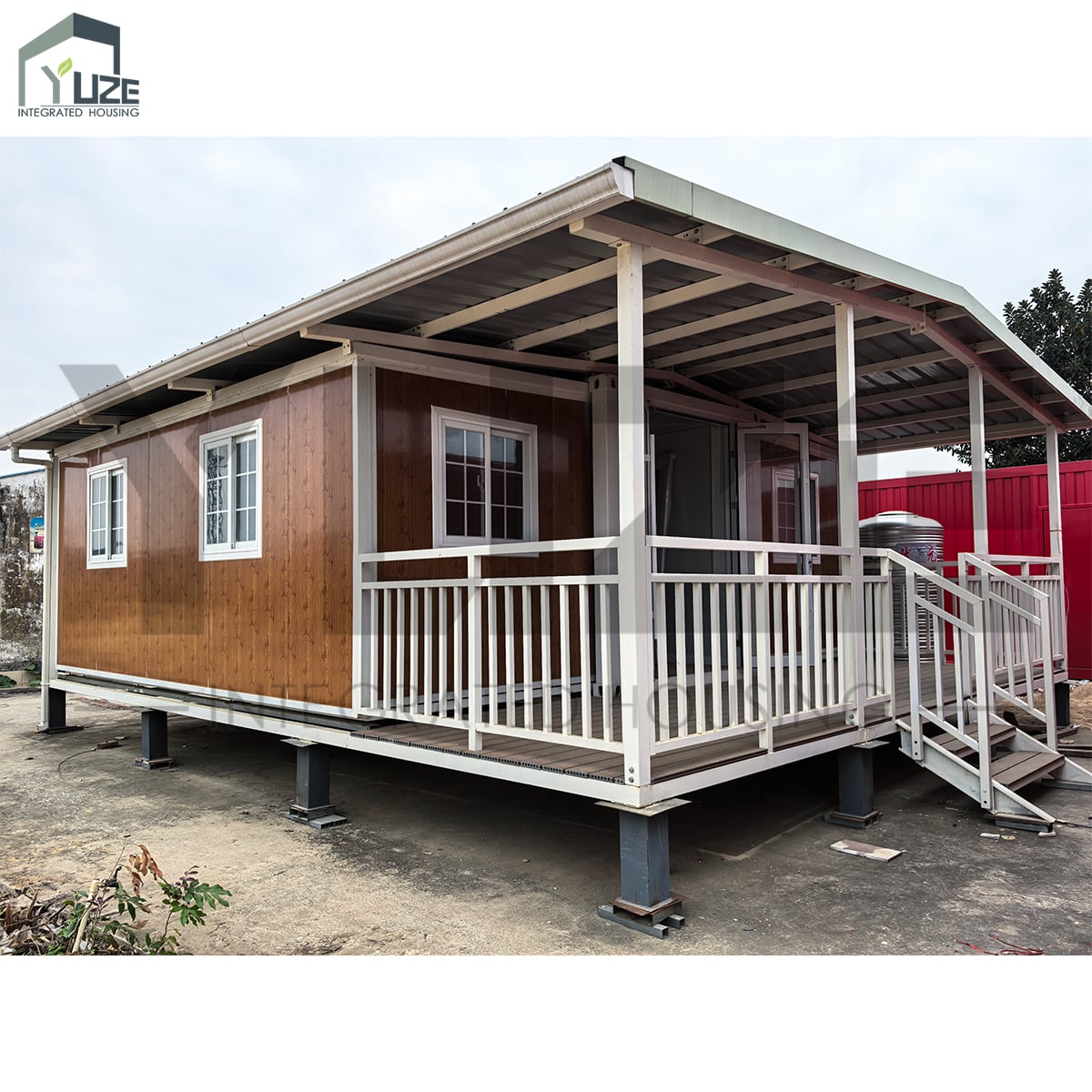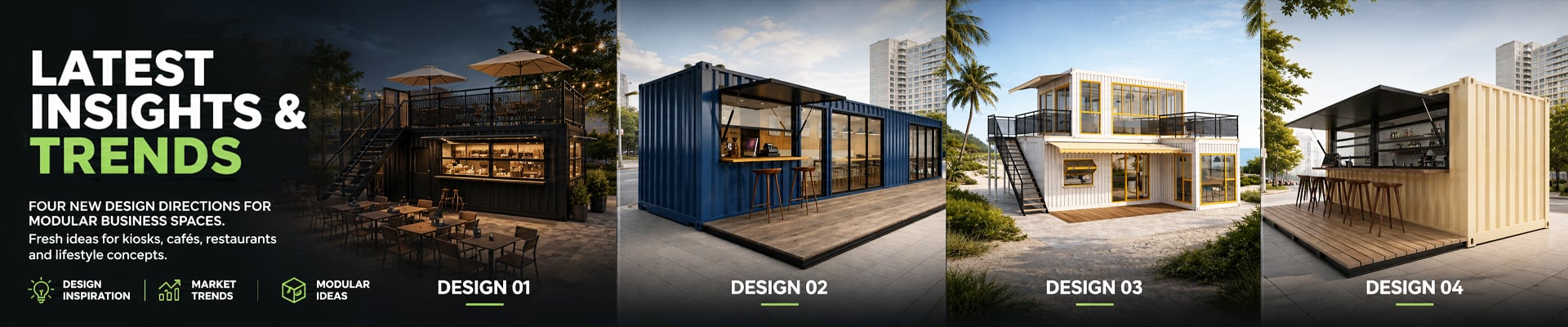
As construction costs continue to rise across many regions, developers, business owners, and homeowners are looking for smarter ways to build. One option attracting increasing attention is the container building. Once viewed mainly as a temporary solution, modern container building technology has evolved into a practical choice for residential, commercial, hospitality, and public projects. With advances in modular construction, insulation systems, and architectural design, a container building can now deliver comfort, durability, and visual appeal comparable to many conventional structures. The question is no longer whether a container building is viable, but how it compares with traditional construction in terms of cost, efficiency, flexibility, and long-term value.
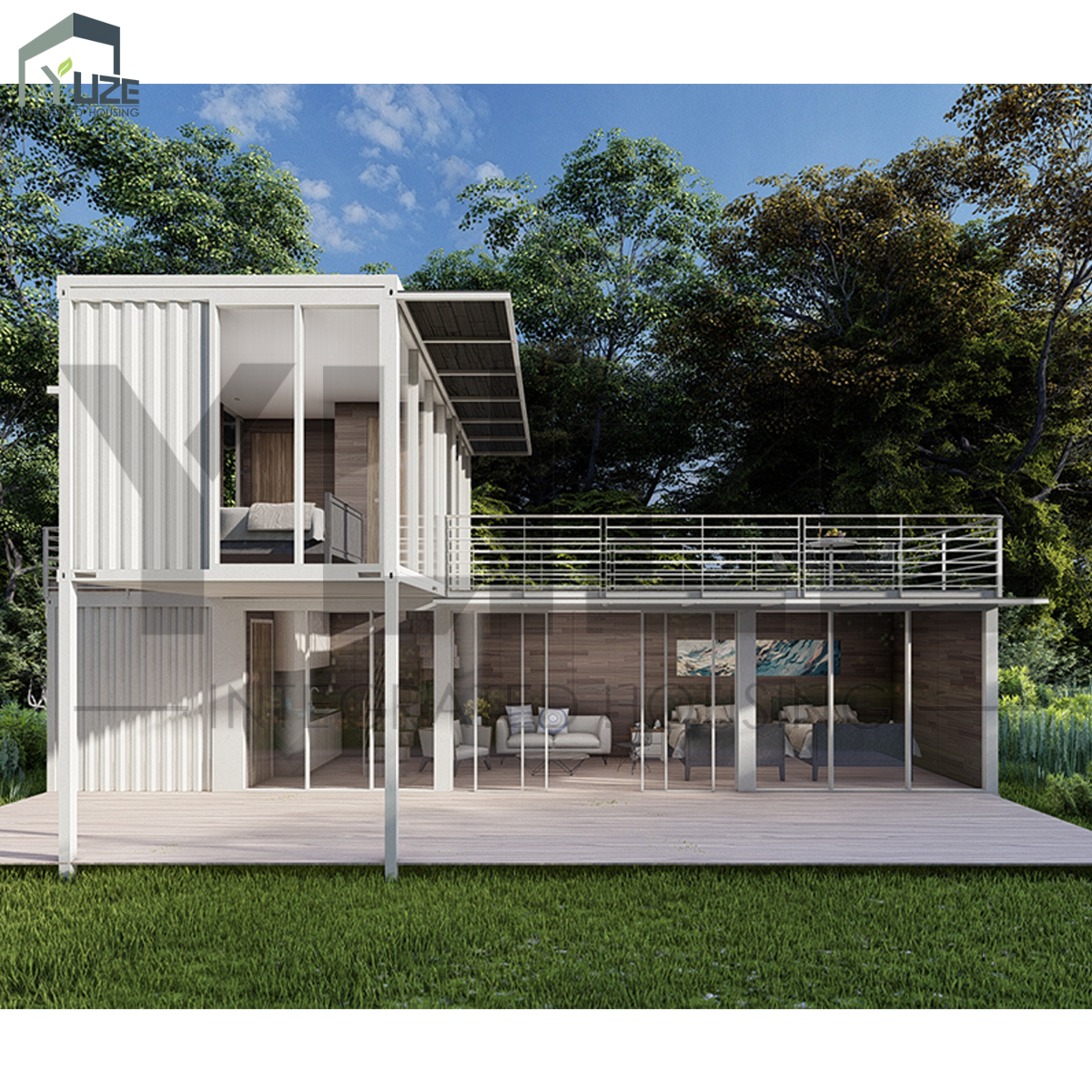
When evaluating a construction project, many people focus only on the upfront building cost. However, the true financial picture is much broader. A container building often reduces expenses related to labor, project management, and construction waste. Because major structural components are manufactured in a controlled factory environment before arriving on-site, fewer workers are needed during installation and the construction schedule can be significantly shortened.
In a recent accommodation project I observed, the client initially planned a conventional building solution. Due to labor shortages and weather delays, the estimated completion date kept moving further away. After switching to a modular container building approach, the project was completed much faster than expected. The reduced construction timeline allowed the facility to begin operating earlier, generating revenue months ahead of the original schedule.
For many investors, time is money. Faster project delivery often creates financial benefits that exceed the difference in construction materials alone.
One of the strongest advantages of a container building is speed. Traditional construction requires multiple stages that must happen sequentially, including foundation work, structural framing, roofing, mechanical installation, interior finishing, and inspections. Delays in one phase can affect the entire schedule.
A container building operates differently. While site preparation is underway, building modules can be manufactured simultaneously in the factory. This parallel workflow dramatically reduces overall project duration. Industry experience has shown that modular construction can shorten completion schedules significantly compared with conventional building methods. Yuze Housing follows this approach by integrating design, production, logistics, and installation services into a streamlined process for international projects.
This efficiency becomes especially valuable for remote locations, tourism projects, workforce accommodation, educational facilities, and commercial developments where opening on time directly impacts profitability.
A common misconception is that a container building sacrifices durability for speed. In reality, modern container structures are engineered to meet demanding performance requirements. High-strength steel frames provide excellent structural stability, while advanced insulation materials improve thermal efficiency and indoor comfort.
Today's container building solutions can be customized for different climates, including cold regions, tropical environments, coastal areas, and high-humidity locations. Proper insulation, waterproofing systems, and corrosion-resistant finishes help ensure long service life and lower maintenance requirements. Yuze Housing offers insulated container homes and modular housing systems designed for residential and commercial applications in diverse environmental conditions.
In practice, many clients appreciate the consistency that factory-controlled manufacturing provides. Unlike traditional construction, where quality may vary from one work crew to another, factory production follows standardized procedures and quality-control systems. This consistency often results in fewer defects and more predictable building performance over time.
A building should not be evaluated only by its construction cost. Long-term operational value is equally important. Factors such as energy efficiency, maintenance expenses, adaptability, and expansion potential all influence return on investment.
One of the biggest advantages of a container building is scalability. Additional modules can often be added with minimal disruption to existing operations. This flexibility is particularly valuable for growing businesses, hotels, educational campuses, and temporary workforce housing projects.
I once worked with a tourism operator who launched a small resort using modular container units. The original plan included only a limited number of guest rooms. As occupancy increased, new modules were added without interrupting the operation of existing facilities. Achieving similar expansion using traditional construction would have required more site work, longer construction periods, and greater disruption to guests.
For organizations planning future growth, a container building offers the ability to adapt without rebuilding from scratch.
The growing popularity of container building projects is driven by more than cost savings. Developers are increasingly looking for solutions that combine speed, quality, sustainability, and design flexibility. Modern modular construction allows architects and engineers to create customized layouts that support a wide range of applications, from luxury residences and office spaces to cafés, retail stores, and hospitality projects.
Yuze Housing has completed projects across multiple countries and industries, demonstrating how modular construction can support different business models and architectural requirements. Through integrated design services, manufacturing capabilities, supply-chain resources, and installation guidance, the company helps clients move from concept to operation more efficiently.
As global construction challenges continue to evolve, the demand for efficient and adaptable building solutions is expected to grow. A well-designed container building is no longer considered a temporary alternative. It has become a practical and future-focused option for modern construction projects seeking both immediate and long-term value.
In many cases, yes. A container building can reduce labor costs, shorten project timelines, and minimize material waste, which often lowers total project expenses.
With proper engineering, insulation, and maintenance, a container building can provide decades of reliable service, similar to many conventional structures.
Absolutely. Modern container homes include insulation, plumbing, electrical systems, and interior finishes that make them suitable for long-term residential use.
Yes. Modern insulation materials, efficient windows, and controlled factory manufacturing help improve energy performance and indoor comfort.
One of the key advantages of a container building is modular scalability. Additional units can often be added as project requirements grow.
Choosing between a container building and a traditional building ultimately depends on project goals, budget, timeline, and future plans. For organizations seeking faster delivery, flexible design, predictable quality, and strong long-term value, a container building offers a compelling solution. As modular construction technology continues to advance, container-based structures are becoming an increasingly important part of the global construction industry.

Guangzhou Yuze Integrated Housing Co., Ltd.
Copyright © Guangzhou Yuze Integrated Housing Co., Ltd. - Privacy policy

 EN
EN