Zoning laws represent one of the biggest hurdles when setting up luxury tiny house rentals. According to Ponemon's 2023 report, around two thirds of U.S. cities either limit or ban tiny houses altogether because of their minimum size rules. The situation differs quite a bit from place to place too. Appendix Q in the 2018 International Residential Code actually offers some guidance for tiny homes built on permanent foundations, but many areas haven't adopted this yet. That means anyone serious about getting into this market needs to talk directly with local planners. How these places treat tiny houses depends heavily on how they're classified. Homes sitting on fixed foundations generally have to meet much tougher building standards compared to those on wheels, which might be considered recreational vehicles under certain zoning regulations. Getting utilities sorted out also creates problems since requirements for septic systems, electricity connections, and clean water access change dramatically across counties. Developers who ignore these issues often find themselves stuck waiting 3 to 6 months longer than planned just to get everything approved.
Proactive engagement with legal counsel and advocacy groups (e.g., the American Tiny House Association) helps identify viable pathways, such as “alternative dwelling unit” permits, accessory dwelling unit (ADU) allowances, or temporary-use exceptions in designated recreation zones.
The best locations strike a good balance between looking great and actually working well. Look for places with real visual appeal first water frontage is always a plus, or maybe a nice tree cover that feels natural. But don't forget to check for potential problems too. Seasonal flooding areas can be a nightmare down the road, same goes for spots prone to wildfires. Getting there should be easy but also safe enough. Try to find properties no more than half an hour away from fire stations or hospitals, and definitely within an hour drive to big airports or popular tourist spots. Steep hills can really complicate things. Building roads up there costs a fortune, and it might restrict where units can go. That kind of limitation just doesn't match what people expect when they're promised privacy and effortless living in a luxury setting.
How ready the site's infrastructure is makes a huge difference to both time frames and bottom lines. If there are already water and sewer connections available, that's great news. But getting those services brought in to a new location can really eat into budgets, adding anywhere from twenty thousand to seventy-five thousand dollars per unit. Don't forget to check how good the cell reception actually is throughout the whole property, particularly where people will gather and sleep. Guests nowadays want their phones working reliably even when they're out in the middle of nowhere. When aiming for something upscale, look at the land itself. There needs to be enough space between units so folks don't feel crowded (around 100 feet apart works well), but still maintain nice walking paths and attractive green spaces where everyone can enjoy themselves. Before buying any property, run through several rounds of environmental checks. Test the soil quality, look at drainage patterns, anything that might reveal problems down the road like potential erosion issues or contaminated groundwater sources hiding beneath the surface.
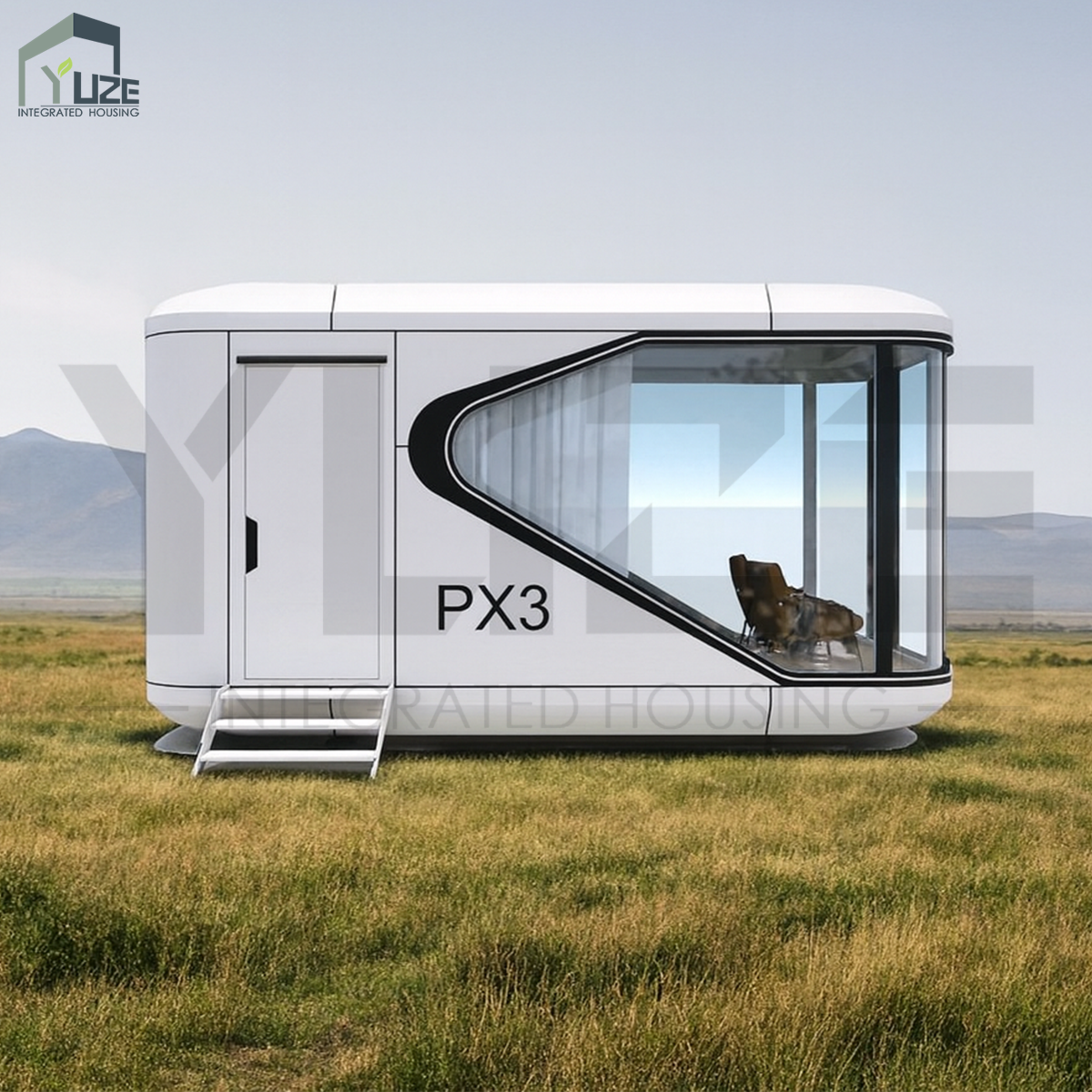
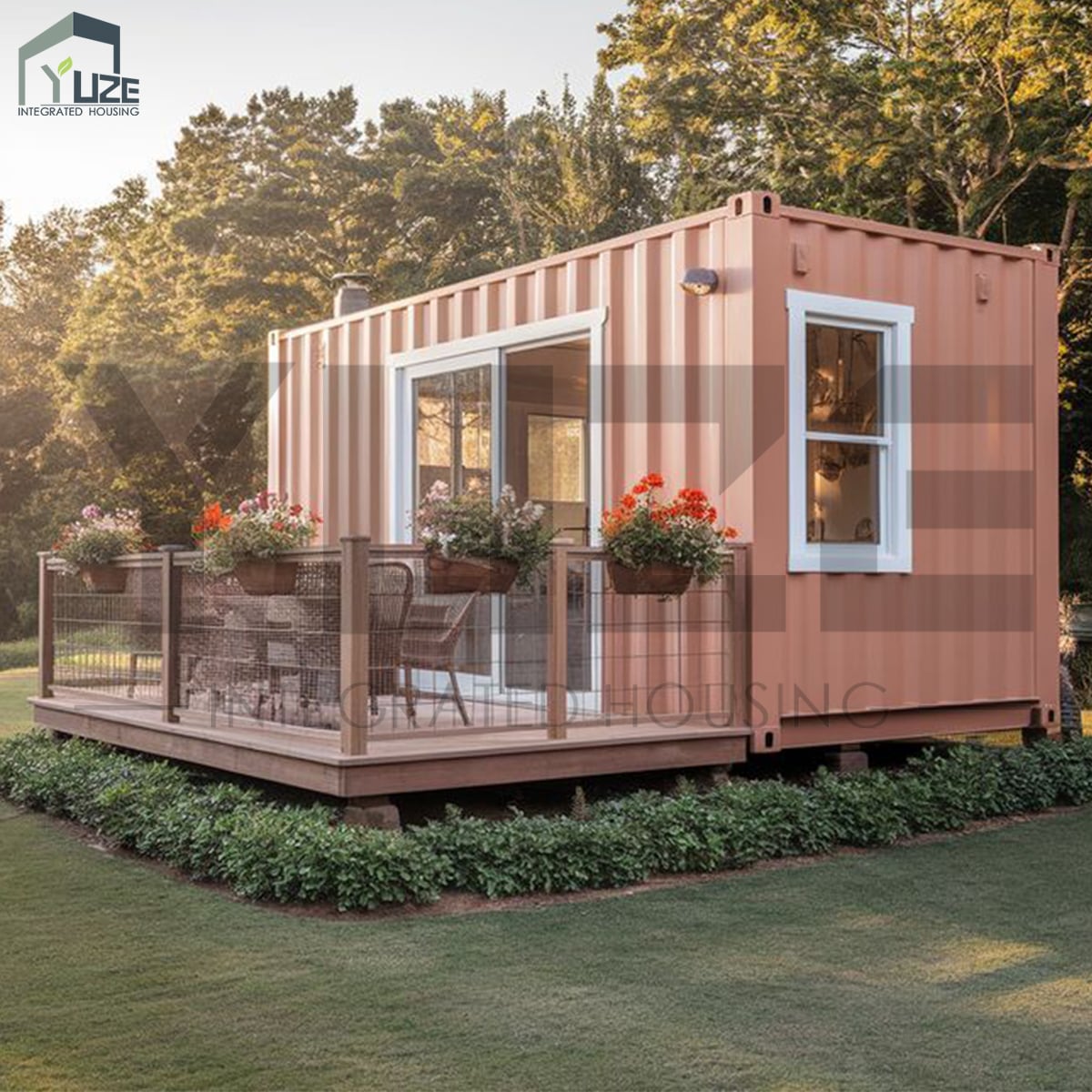
When it comes to luxury tiny houses, the goal is simple yet challenging: create something truly high quality without sacrificing space constraints. The materials matter a lot here. Think about using wood that's been responsibly harvested, corten steel for exterior walls, and those big windows that let in lots of light but still keep heat where it belongs. These choices help the house blend better with whatever landscape it sits on. What guests want these days determines what gets installed inside. Most people expect good climate control, so ductless heating and cooling systems make sense. Memory foam beds are standard now, especially when paired with organic sheets that feel nice against skin. Bathrooms should feel like spas too, with those fancy rain shower heads and soap from nearby artisans. Building in modules speeds things up quite a bit compared to traditional methods, though there can be some challenges getting everything aligned just right for that resort quality finish everyone wants.
Smart spatial design is non-negotiable. Use convertible furniture (e.g., Murphy beds with integrated storage), recessed lighting, and multi-functional built-ins to maximize perceived space and usability—ensuring every square foot supports comfort, aesthetics, and intuitive flow.
What makes a luxury tiny house rental special isn't really about how small it is but rather the story it tells. Creating a strong brand means connecting with local culture and having clear purpose behind everything. The buildings themselves need to look like they belong where they're located, services offered must align with what guests actually want, and the whole experience starts from the moment someone books until they leave. People who love adventures tend to appreciate things like detailed hiking guides, organized nature walks where they can gather wild plants, or even boxes packed with gear for night sky watching. Those looking for relaxation usually care more about having their own space for yoga, quiet corners for meditation without outside noise, and lighting that changes throughout the day to match natural rhythms. Adding sensory details matters too. Think about unique smells in different areas, welcome packages filled with locally made treats, and bedding that feels amazing against skin. These little touches help establish the upscale vibe and make people remember their stay long after they've gone home.
According to the Outdoor Hospitality Index from 2023, people who go glamping tend to spend about 47% more money compared to regular campers when they feel their experience has been genuinely tailored to them. To attract different customer groups while still maintaining that special something, businesses can implement tiered pricing strategies. For couples looking for romance, there are packages that include things like champagne and private fire pits. Families might prefer options with bunk beds set up and fun activities like nature scavenger hunts. Despite these different offerings, it's important to keep the same high level of service throughout and maintain consistent design quality across all accommodations.
When it comes to startup money management, there are basically three main areas that need attention. First up is buying land, which usually eats up around half of what most investors have budgeted. Scenic spots command serious prices these days, anywhere between $100k and $500k per acre depending on how close they sit to popular destinations and existing infrastructure. Next comes the actual tiny houses themselves. Basic models might get away with costing about $50k, but if we're talking real luxury stuff with all those fancy smart home features, custom woodwork, and top notch plumbing systems, expect to shell out somewhere between $150k and $300k per unit. Don't forget about compliance either because this part often gets overlooked. Zoning issues alone can add another 15-25% to overall expenses when factoring in environmental checks, extended utilities, and various safety requirements. And no matter how thorough the planning seems, wise operators always set aside at least 10% extra cash just in case something goes wrong with soil conditions, foundation work needs special handling, or permits end up needing multiple rounds of appeal.
The real money comes not just from charging more for stays, but from getting better value out of each booking. These luxury tiny houses typically charge between $100 to $500 per night, which is about 20 to 40 percent more than regular cabins nearby. Why? People love the novelty factor, plus they cost less to clean and maintain, and there's that cool factor when guests see others raving about their experience online. The best operators keep their places occupied around 65 to 80 percent of the year thanks to smart pricing strategies. They sell directly through their websites while also listing on specialty sites like Glamping Hub. But what really boosts profits are those extra experiences they offer guests. Think guided nature walks through nearby trails, fancy dinner events where local chefs cook fresh meals right at the property, or early morning yoga classes watching the sun rise over the mountains. These extras can increase overall revenue by anywhere from 25 to 40 percent.
The numbers from actual operators show that most properties break even somewhere between 24 to 36 months when they have at least four units running. Getting there depends heavily on keeping close tabs on RevPAR (Revenue Per Available Rental) figures and how many bookings come directly through the property versus third-party platforms. These should be monitored every week rather than just once a year, allowing adjustments to price points, marketing budgets, and staff schedules as needed. For businesses that maintain tight control over their day-to-day operations, it's not uncommon to see net profit margins reaching 20 to 30 percent by the third year of operation. Some operators even hit these targets sooner if they start with strong market positioning and customer retention strategies already in place.
Getting a launch right takes careful attention to three main areas: systems, people, and the story we tell. First things first, make sure everything works together properly. Check those booking system connections, see how the smart home stuff like locks, thermostats, and lights actually function, confirm utility meters are reporting correctly, and verify emergency call systems work when they need to. While all that tech is being sorted out, don't forget about training the team. Good training isn't just about what buttons to push or forms to fill out. It needs to cover the whole vibe of the brand too. Teach them to spot problems before guests even mention them, handle issues without making a big deal about it, and know their surroundings inside out whether that means recognizing local plants or understanding nearby environmental projects.
Start things off with a limited soft launch first. Get a few select people in for testing - maybe some travel writers, those micro influencers with decent followings, or folks we know in the hospitality biz - so they can walk through everything from arrival to departure. We need their honest takes on both the nuts and bolts stuff like how firm the beds are, whether the showers have enough pressure, and if the internet connection lags when multiple devices connect. Also important are the feel good factors: does check in feel welcoming? Are the welcome baskets actually useful? Does the garden path stay lit properly after dark? Once we've collected all these insights from actual guests staying over, we'll tweak what needs fixing before officially rolling out to everyone else.
When getting ready for launch, smart marketers zero in on where serious buyers hang out. Think luxury travel magazines like Condé Nast's Glamping Guide, specialty sites such as Glamping Hub and Airbnb Luxe, plus Instagram and Pinterest ads that really showcase what makes a property stand out. Maybe it's those solar oriented designs, those beautiful reclaimed wood ceilings, or working with local craftspeople. The numbers tell us something interesting too. Most luxury travelers need between 8 to 12 good experiences before they actually book. That means planning a solid 60 to 90 day marketing push focusing on green building features, special access opportunities, and all those little sensory details guests remember. Wrap things up with a small but memorable opening party bringing in talented local chefs, musicians who know the area well, and folks with great stories about the region. This kind of real world experience turns people who are just curious into actual customers leaving glowing reviews and coming back again and again.

Guangzhou Yuze Integrated Housing Co., Ltd.
Copyright © Guangzhou Yuze Integrated Housing Co., Ltd. - Privacy policy

 EN
EN