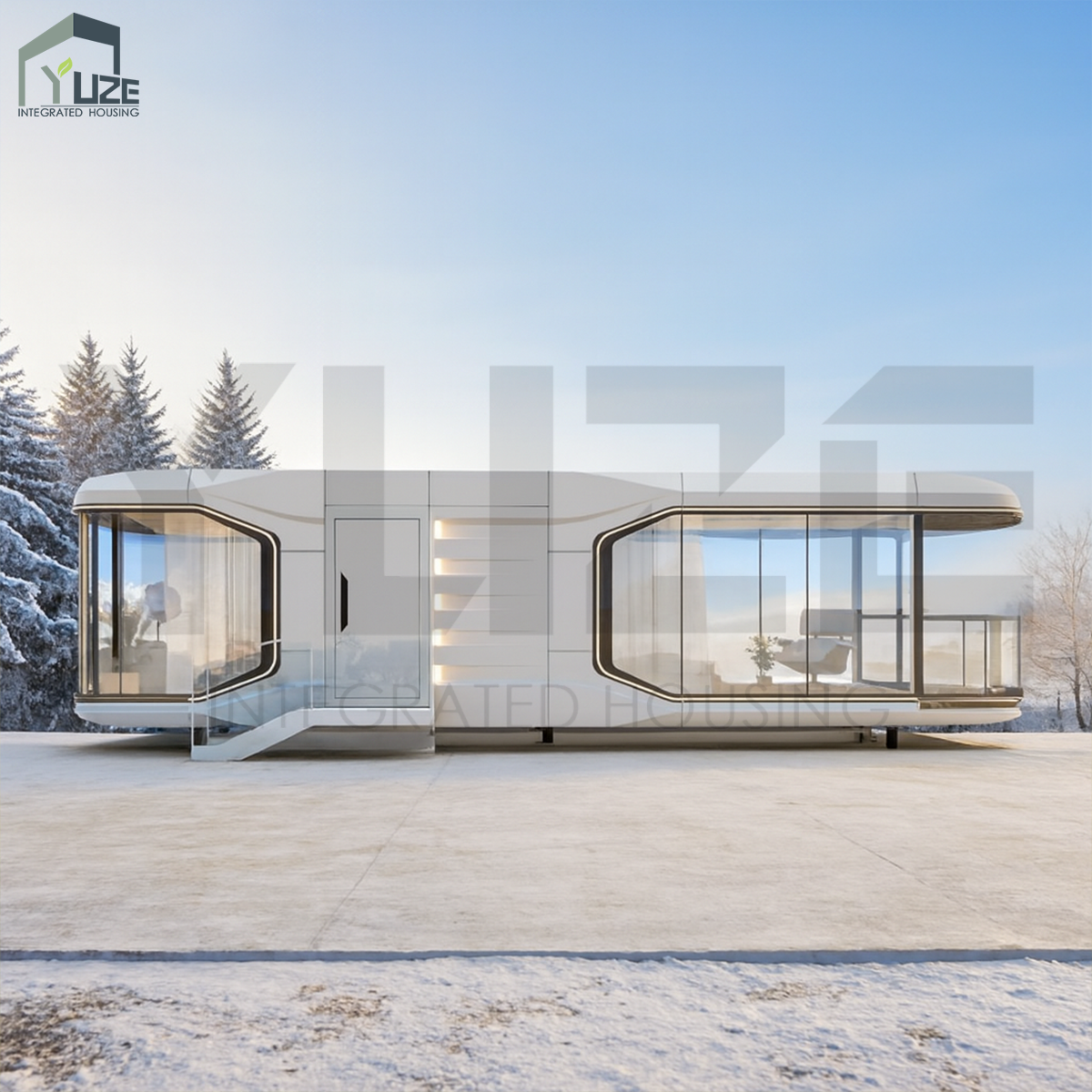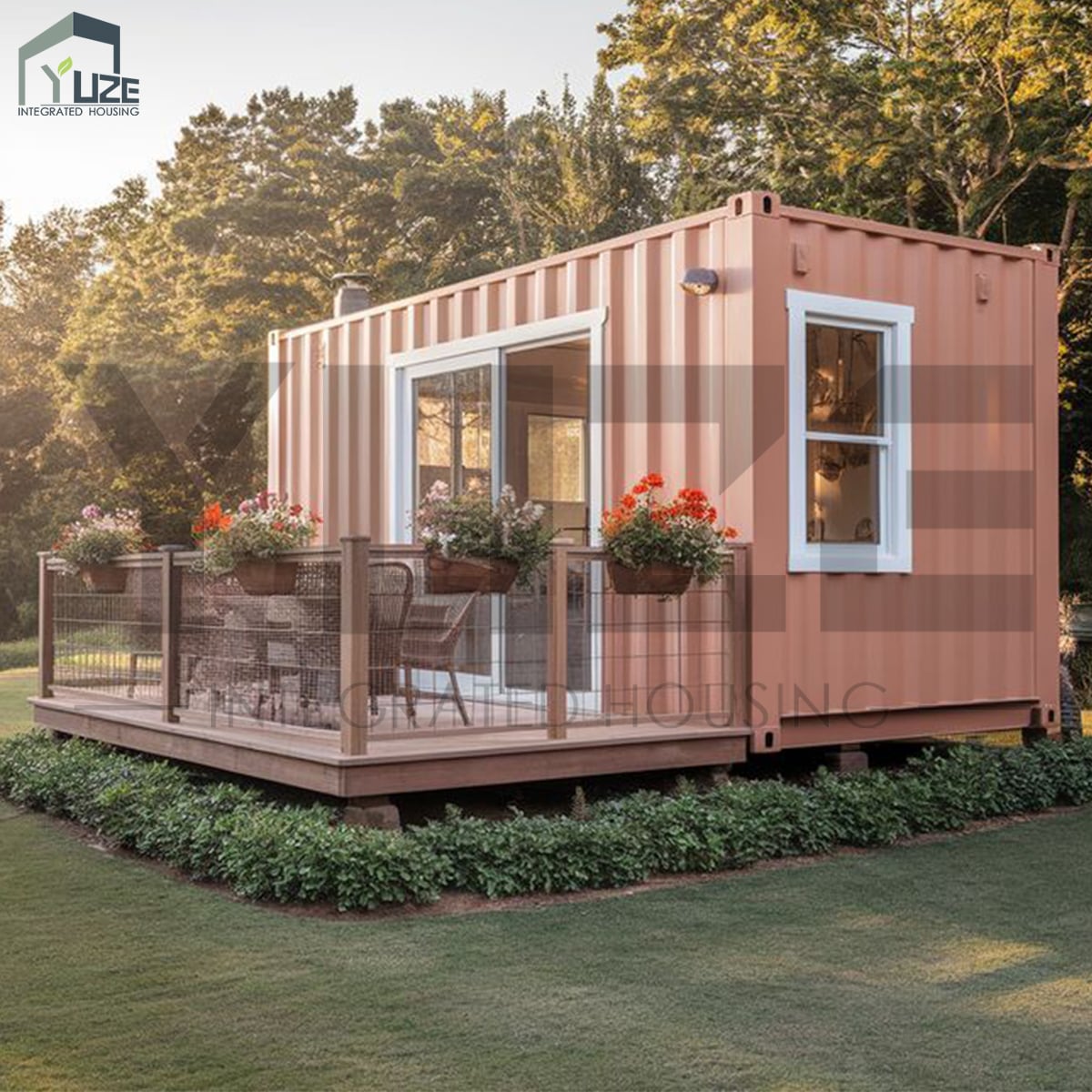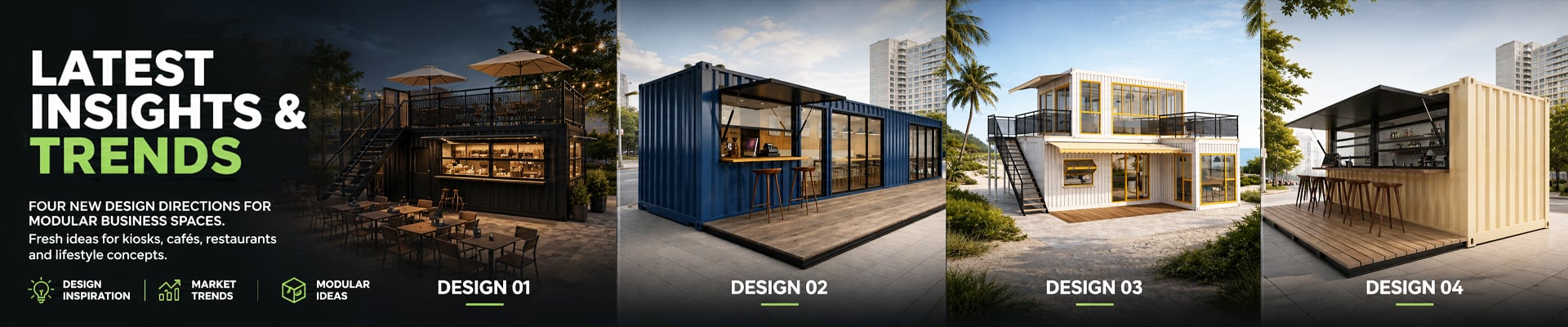
Choosing a custom container home delivers an affordable, sustainable, and highly adaptable living solution. Repurposed from ISO-certified shipping containers—engineered for transoceanic transport—they offer exceptional resilience against extreme weather, fire, and moisture. Their standardized steel construction lowers material costs significantly: a well-designed one-bedroom unit can begin at approximately $10,000, with reduced labor and shorter build timelines compared to traditional framing. Beyond economics, container homes advance sustainability by reusing industrial-grade steel and integrating cleanly with renewable systems like solar arrays or green roofs. You retain full control over layout, scale (from single units to multi-container complexes), and mobility—making them equally suited as primary residences, backyard offices, guest cottages, or transitional housing.
Designing a custom container home hinges on transforming its inherent constraints—narrow width, rigid proportions, and modular footprint—into strengths through intentional planning. Success lies in balancing spatial efficiency with human-centered comfort: open-concept layouts, strategic zoning, vertical storage, and abundant natural light help counteract the perception of confinement. Thoughtful window placement supports cross-ventilation and daylight penetration, while multi-functional furniture and built-in elements ensure every square foot serves a clear purpose—without compromising livability.
Compact doesn’t mean compromised. Begin by defining core functional zones—kitchen, living, sleeping, and bathing—within the container’s fixed dimensions. Open-plan configurations visually expand space, while mezzanine levels or lofted sleeping areas effectively double usable square footage. Sliding or pocket doors conserve floor area better than hinged alternatives. Centralizing bathrooms and utility cores minimizes plumbing runs and preserves exterior walls for larger windows and ventilation. Prioritize unobstructed circulation paths and minimize visual clutter—these simple strategies allow even a single 40-foot container to feel both spacious and deeply functional.
Structural performance depends entirely on how containers are assembled—not just placed. Single-unit builds offer simplicity and speed, but multi-container configurations unlock greater design flexibility and square footage. Vertical stacking requires engineered reinforcement at corner posts and additional load-bearing columns or beams to safely transfer weight. Offset stacking—where containers are staggered like masonry—creates covered outdoor spaces and dynamic massing without sacrificing stability. Cross-stacking (perpendicular placement) yields L- or T-shaped footprints ideal for site-specific orientation or programmatic separation. Crucially, any modification—cutting door or window openings, removing walls, or welding connections—must be reviewed and stamped by a licensed structural engineer to maintain rigidity and meet local building code requirements.
Material choices define both the performance and character of your container home. Because ISO shipping containers are designed for cargo—not occupancy—their raw steel envelope demands deliberate upgrades for thermal comfort, moisture control, and aesthetic expression. Strategic insulation, robust weatherproofing, and thoughtful finishes work together to transform an industrial shell into a healthy, energy-efficient, and distinctly personal residence.
Steel’s high thermal conductivity makes insulation non-negotiable. Closed-cell spray foam applied directly to interior corrugated walls provides superior R-value and seals air gaps, while rigid polyurethane boards or natural sheep’s wool offer viable alternatives depending on climate and sustainability goals. A continuous vapor barrier—installed before interior finishes—prevents condensation buildup within the steel skin. Exterior enhancements include reflective roof coatings to mitigate summer heat gain and high-performance sealants at all seams and penetrations. Paired with double- or triple-glazed windows, these measures ensure consistent indoor temperatures and long-term durability across diverse climates.
Exterior cladding does more than beautify—it protects and insulates. Options like thermally modified cedar, fiber-cement panels, or corrugated metal (in complementary finishes) shield the underlying steel while establishing architectural identity. Expansive glazing—particularly large sliding or bi-fold glass doors—dissolves boundaries between interior and landscape. Inside, health-conscious materials such as FSC-certified bamboo flooring, reclaimed wood wall panels, and low-VOC paints support indoor air quality and timeless style. Contrasting textures—exposed structural steel beams alongside warm timber accents or soft textiles—add depth and warmth, proving that compact scale and refined design coexist seamlessly.
Advanced 3D modeling and Building Information Modeling (BIM) move beyond static renderings to deliver immersive, interactive previews of your container home. These tools simulate spatial experience, lighting conditions, and material interactions—allowing real-time adjustments to layout, finishes, and systems before fabrication begins. BIM integrates structural, mechanical, electrical, and plumbing (MEP) coordination, identifying clashes early and generating precise material takeoffs and cost forecasts. This digital clarity reduces uncertainty, prevents costly mid-build revisions, and strengthens alignment among designers, engineers, and builders.
Permitting remains one of the most variable—and critical—phases. Zoning ordinances dictate where container homes may be sited (e.g., rural vs. urban lots, accessory dwelling unit allowances), while building codes govern insulation values, egress requirements, fire-rated assemblies, and structural loads. Jurisdictions increasingly recognize container homes under modular or prefabricated classifications—some, like parts of California, Colorado, and Texas, have adopted streamlined pathways for certified prefab systems. Others require case-by-case review. Engaging an architect or builder experienced in container-specific permitting early in the process ensures your design complies with local standards, accelerates approvals, and avoids delays that compromise budget and timeline.
Container homes are residential structures made from repurposed shipping containers, designed to be affordable, sustainable, and resilient.
The cost of a custom container home can start at approximately $10,000 for a well-designed one-bedroom unit.
Yes, container homes advance sustainability by reusing industrial-grade steel and can integrate with renewable systems like solar arrays and green roofs.
The build process includes choosing a design, material selection, visualization through 3D modeling and BIM, and obtaining local zoning and building permits before construction begins.
Container homes offer full customization over layout, size, and finishes, allowing a personal and unique residence.
Container homes can be adapted for diverse climates with proper insulation, weatherproofing, and other measures to ensure indoor thermal comfort and durability.

Guangzhou Yuze Integrated Housing Co., Ltd.
Copyright © Guangzhou Yuze Integrated Housing Co., Ltd. - Privacy policy

 EN
EN