Modular shelving systems and foldable countertops enable container bars to transition seamlessly from daytime storage units to evening service stations. Wall-mounted dispensers and retractable power outlets reduce clutter, while ceiling-hung glass racks free up 30% of floor space compared to conventional layouts, enhancing both efficiency and mobility.
Floor-to-ceiling glazed panels create visual continuity between indoor bars and outdoor patios, improving staff oversight across zones. Sliding glass partitions offer weather protection while allowing flexible expansion during events, with 85% of operators noting increased customer engagement due to this transparent, adaptable design.
A U-shaped workstation places ice wells, refrigeration, and drink stations within a 3-step radius, cutting service time by 22% compared to linear setups. The layout maintains 24" clearance zones to meet ADA accessibility standards—essential in diverse urban environments—without sacrificing operational efficiency.
Magnetic bench connectors and stackable cube stools allow quick reconfiguration, supporting gatherings from 12 to 50 guests. Telescoping roof awnings and roll-out deck platforms extend usable space seasonally, features utilized by 63% of mobile bar operators for festivals and pop-ups.
Container bars achieve their signature industrial character through intentional material combinations that blend grit with sophistication.
Steel structural framing honors the shipping container’s origins, while reclaimed wood cladding adds warmth. Concrete countertops—present in 78% of industrial bar designs—offer durability and urban edge. Corrugated metal accents on ceilings or backsplashes provide textural contrast, reinforcing the raw yet refined aesthetic.
Compact, multifunctional furnishings like leather-upholstered iron-frame bar stools merge durability with comfort. Repurposed scaffolding pipes serve as display shelves, and patinated brass tap handles add vintage flair. According to the 2024 Hospitality Design Report, 63% of patrons favor spaces where rugged materials are paired with plush seating.
Edison bulbs suspended from black iron rigging highlight the bartop, while hidden LED strips under shelves accentuate material textures. Weatherproof string lights extend ambiance outdoors. Dimmable track lighting allows smooth transitions between functional daylight use and intimate evening moods.
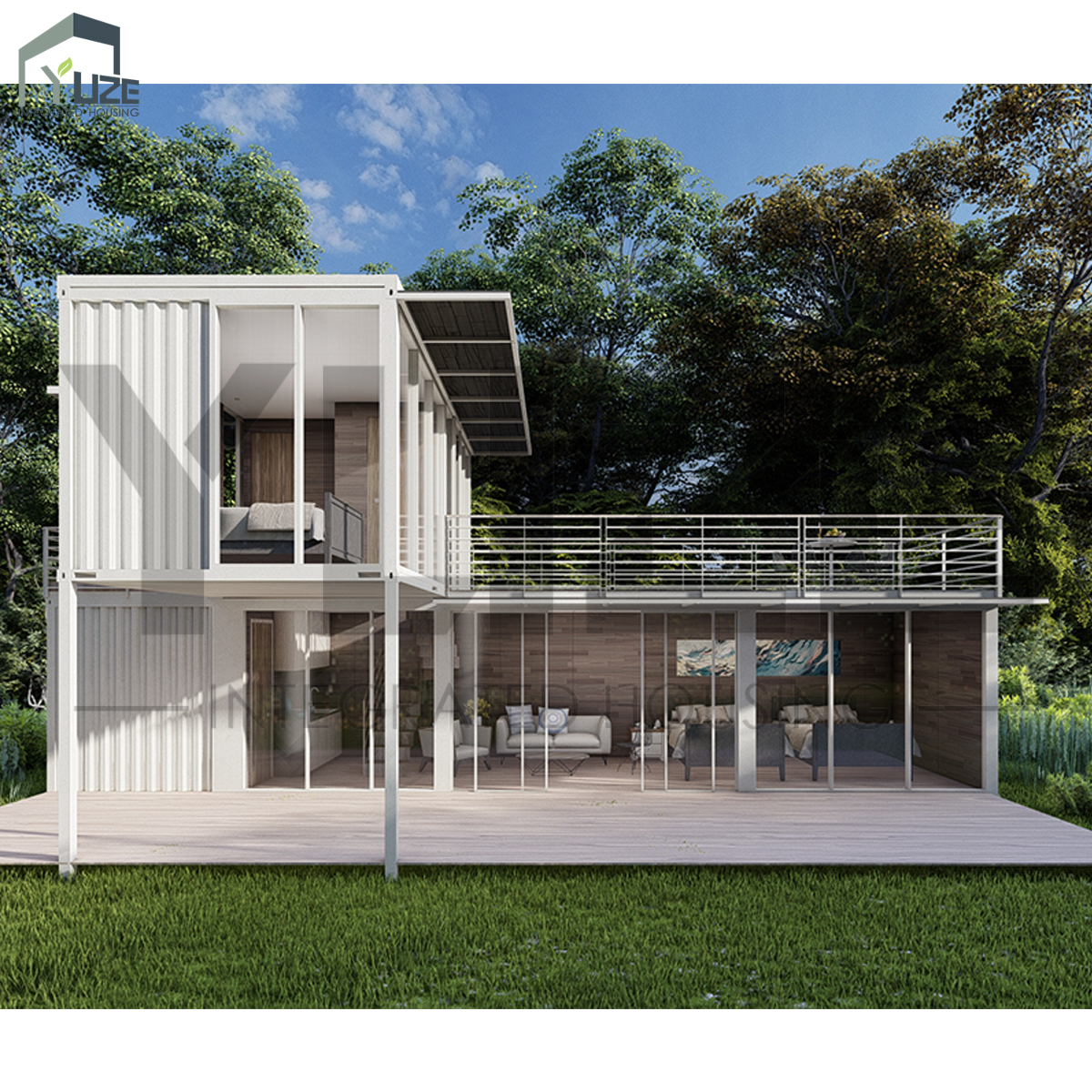
Sliding glass walls or bi-fold door systems eliminate physical and visual barriers, flooding interiors with natural light and connecting directly to patios or gardens. A 12-foot retractable panel can transform a compact bar into an open-air venue instantly, boosting spatial perception and guest interaction.
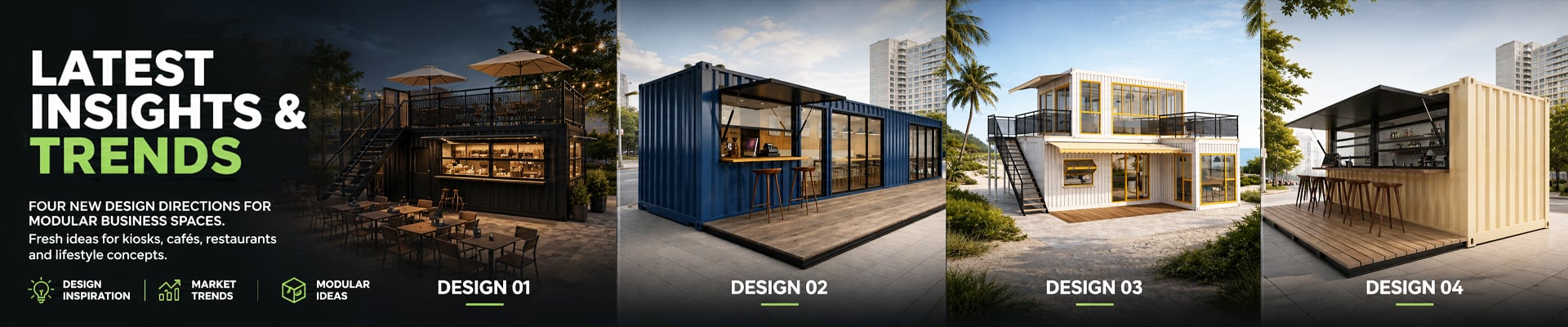
Rooftop decks accessed via exterior staircases maximize vertical potential. Outfitted with powder-coated aluminum tables, UV-resistant cushions, and modular seating, these areas withstand harsh conditions. Over 60% of hospitality businesses report higher revenue after adding multi-level outdoor options (Hospitality Design Report 2023), underscoring the value of resilient, elevated spaces.
Integrated climate solutions ensure year-round usability: retractable shading sails protect against sun, infrared heaters or fire pits warm cooler evenings, and strategic fan placement or cross-ventilation improves airflow—all while preserving the industrial-chic design ethos.
Using three different levels of lighting makes spaces both functional and welcoming. Recessed LED panels set the general mood, while pendant lights or wall sconces mark where people need to work or interact. Accent lighting draws attention to interesting textures or company logos that might otherwise go unnoticed. With smart control systems or simple dimmer switches, it's easy to switch between full brightness during business hours and softer lighting for after-hours events. This flexibility means businesses can adapt their environment to whatever needs arise throughout the day without compromising on comfort or aesthetics.
Big windows and sliding glass doors let plenty of sunlight in, which cuts down on electricity costs when the sun is out. When evening comes around, those soft warm LED lights running along kitchen counters and beneath shelves keep things visible without being harsh on the eyes. The adjustable track lighting system helps avoid annoying glare spots on shiny floors and countertops. According to research published last year in the hospitality sector, places that mix natural daylight with well-placed artificial lighting saw customers spending about 22 percent more time inside. Makes sense really – people tend to linger longer where the lighting feels comfortable and inviting, which ultimately means better business for operators too.
Container bars have become something like three-dimensional billboards for brands these days. According to the Design Economy Report from 2024, around 8 out of 10 customers remember businesses better when they see matching graphics on containers. The exterior designs tend to be bold with big blocks of color covered in special weatherproof coatings so people can spot them easily. Backlit signs made from acrylic materials keep the business visible all day long and into the night hours too. Most container bars go for matte black frames coated with powder finish, then add brushed metal logos that really stand out against the background. This kind of branding works surprisingly well whether it's placed right in the middle of a busy city street or somewhere more nature-oriented like near parks or waterfront areas.
Modular design supports rapid reconfiguration: foldable counters ease transport, and magnetic panel systems allow easy artwork swaps between locations. Roof-mounted solar arrays supply 68% of lighting needs in mobile units, enabling off-grid operation. Dual-side service windows with sliding security shutters improve access at festivals without compromising structural safety.
The container bar sector has seen a 42% year-over-year rise in eco-conscious builds (Global Hospitality Trends 2024), with reclaimed wood and recycled steel now standard. High-end conversions increasingly include:
| Feature | Luxury Upgrade | Functional Benefit |
|---|---|---|
| Flooring | Radiant-heated terrazzo | Year-round outdoor comfort |
| Climate Control | Split-system HVAC | -40°F to 120°F operation |
| Vertical Space | Retractable green walls | Improved air quality |
A coastal town gave new life to its old warehouse area by putting up six connected shipping containers, which brought in about 23% more people walking by compared to regular stores nearby. The design grouped these containers together around a common courtyard space. Each business still had its own identity thanks to custom laser cut metal fronts that showed off the region's sea history, plus those cool glowing path markers guiding customers around. There was also one central spot for collecting trash and recycling, cutting down on maintenance expenses by roughly 31%. The whole thing made about $2.1 million during its first year running, and now other towns are looking at this example when they want to fix up their own downtown areas.

Guangzhou Yuze Integrated Housing Co., Ltd.
Copyright © Guangzhou Yuze Integrated Housing Co., Ltd. - Privacy policy

 EN
EN