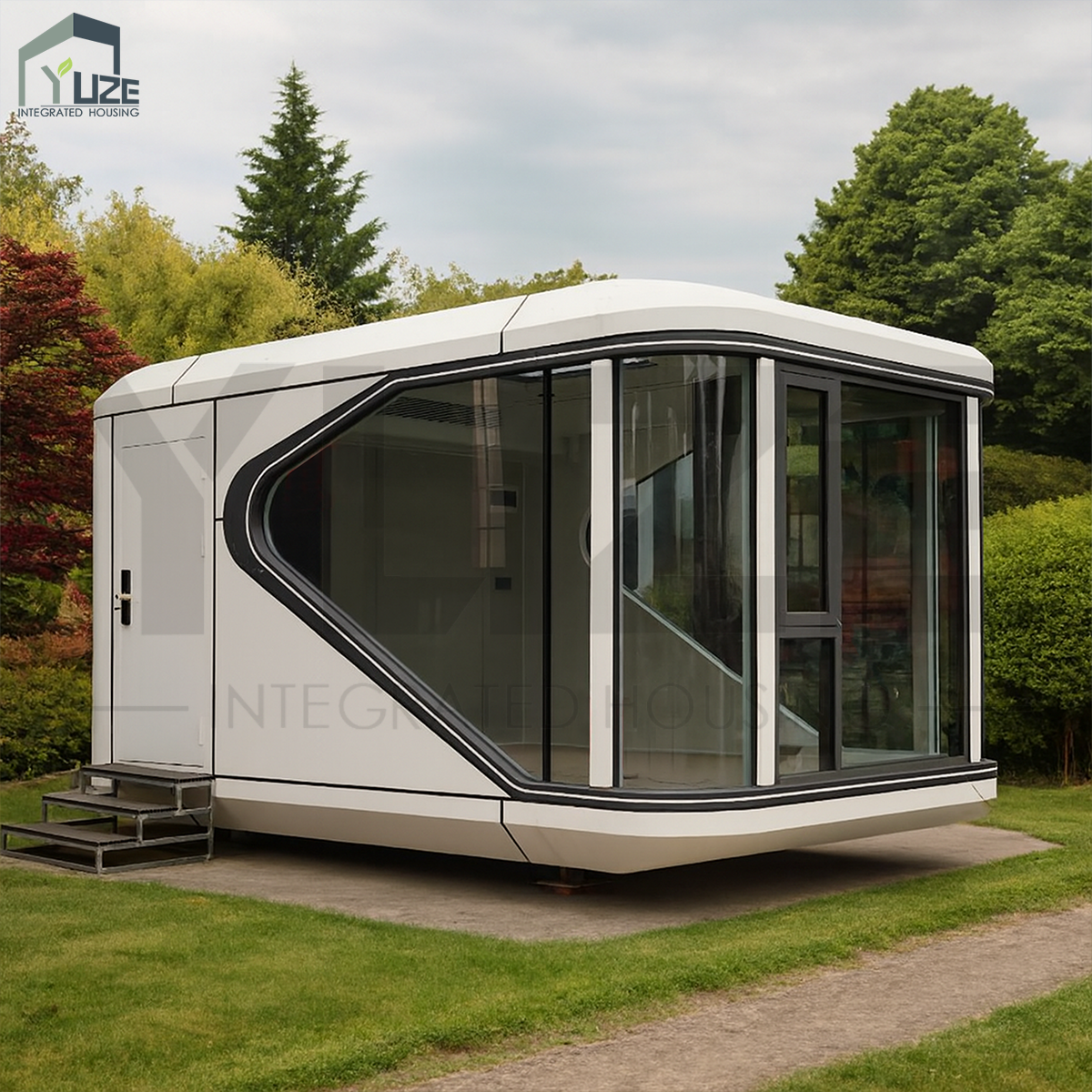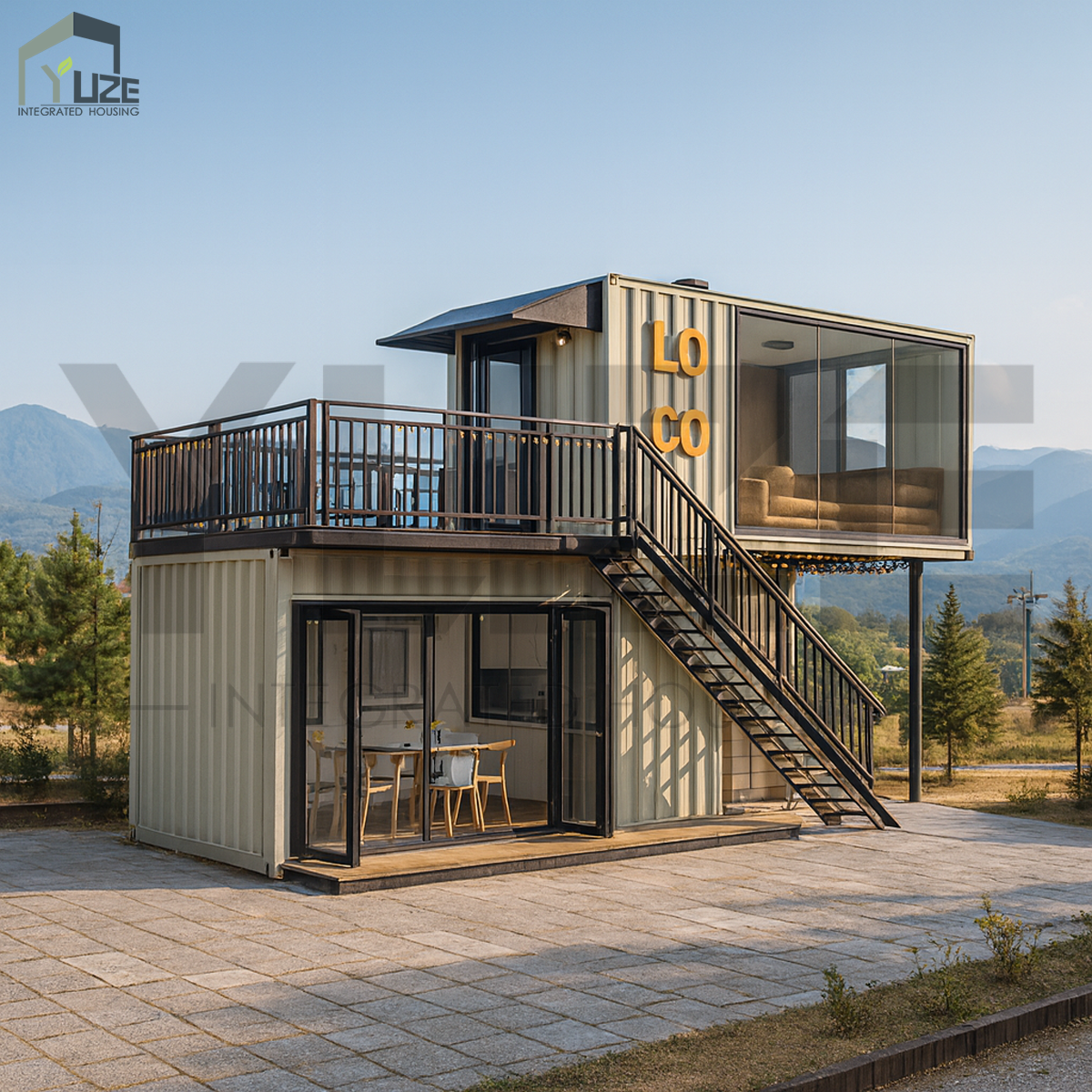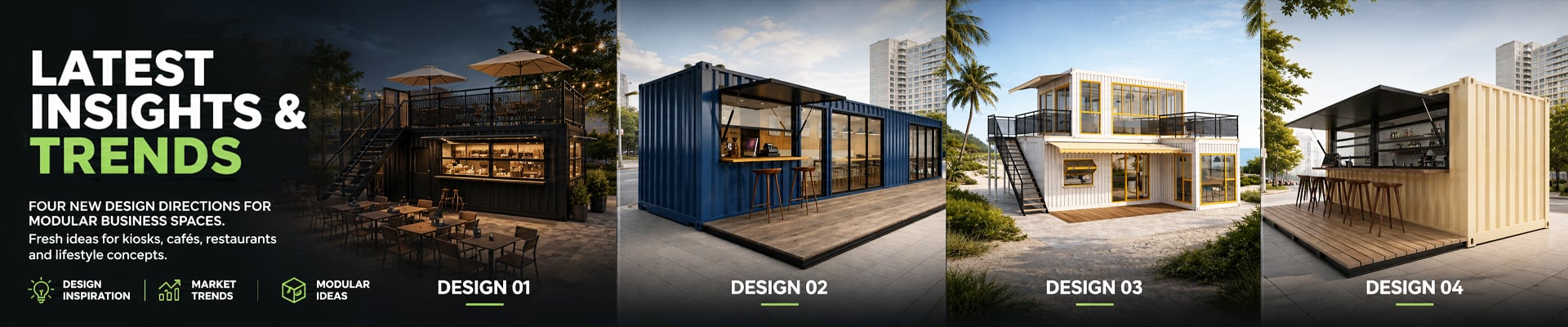
The problem of finding places to stay near transportation centers and far-flung destinations has gotten really bad lately since regular hotels just don't work there. That's where capsule hotels come in handy. These tiny spaces pack all the good stuff you expect from a proper hotel into super small areas while still keeping things efficient. Most people traveling these days care more about being close to where they need to go and getting something unique rather than having tons of space. According to some research done last year, around two thirds of business folks actually choose those little pod style accommodations instead of standard hotel rooms when given the option. We see this trend most clearly in expensive city areas and new tourist spots where building full scale hotels isn't feasible right now.
With modular construction methods, capsule units get made in factories and then installed at sites within just 72 hours most of the time. The standardized parts mean better quality control across the board, but still leave room for custom touches like different finishes, smart technology installations, and varied layouts so that each building actually matches what the brand wants to project. These structures rely on galvanized steel frames which let them stack up vertically or cluster together horizontally. This flexibility works great for those cramped city spaces or tough landscapes where traditional buildings would struggle. Real estate managers have found they can put up properties with over fifty units in less than three weeks. That kind of speed lets businesses react quickly when there's a spike in seasonal demand, during temporary events like festivals, or even when old infrastructure needs new life breathed into it.
In 2023, a big Japanese hotel chain rolled out a new capsule house complex with 42 units right next to Kyoto Station. The company managed to install all those prefabricated modules while trains weren't running at night, so regular travelers didn't even notice anything different happening around them. Within just eight short weeks after opening, they filled up nearly 92% of their rooms, bringing in about $740,000 each year according to industry reports from last year. What makes these capsules stand out? Each pod comes with noise cancellation tech, fingerprint scanners for entry, and everything works without needing staff interaction most of the time. As a result, they need roughly 40% fewer employees than standard budget hotels do. Looking at this success story shows us something interesting about modern travel trends. Capsule houses aren't just temporary fixes anymore; they actually turn dead space near train stations into profitable places where people can sleep affordably without taking over valuable real estate.
Capsule house resorts work really well in places where the environment matters most and keeping landscapes intact is absolutely essential. Because these structures are made in factories and then assembled on site, there's much less disturbance during construction. This matters a lot when dealing with delicate areas such as sand dunes along coasts or those pretty high altitude meadows. According to some recent studies from Green Building Council back in 2023, capsule houses create about half to two thirds less construction waste compared to regular buildings, which helps them qualify for various green tourism labels. The small size means no trees get cut down, and many of these tiny homes can operate completely off the grid thanks to things like solar panels and systems that collect rainwater. All these factors mean capsule houses aren't just convenient solutions, they actually fit better with efforts to protect nature before anything else gets built.
The Alpine Nest resort in Valais, Switzerland has taken an innovative approach by installing 25 climate controlled capsule units throughout rugged landscapes that are strictly protected from ecological damage. These prefabricated modules were flown into place using helicopters, which completely avoided building roads through the area. Special foundation piers helped reduce disruption to the soil beneath them. Remarkably, Phase 1 of the project was completed within 41 weeks once all necessary permits had been obtained, beating the timeline for traditional wooden lodges by nearly half a year. By carefully choosing where each unit would go, developers managed to protect the delicate habitat of rare Edelweiss flowers growing there naturally. During their inaugural winter season, guests filled up almost every available room at 92% occupancy rates. Smart technology built right into the structures continuously tracks energy usage patterns and monitors structural integrity, resulting in maintenance expenses that stay around 30% lower compared to standard mountain resorts nearby.
More campgrounds these days are mixing things up by adding those climate controlled capsule houses alongside regular tents and RV spots. What this does is keep the place running all year long since those sealed pods stay comfortable no matter how hot or cold it gets outside. These capsule units don't need much preparation of the land or connections to utilities like water and electricity. They work great even when there's nothing but dirt and trees around. One big name campground in America saw guests coming back 11% more often once they started offering capsules. People love them especially because adventurers want their comforts but still feel like they're really camping out in nature.
Capsule houses really help fight against those ups and downs in seasonal income. Take WildPine Outpost for example they put in 12 capsule units last year and saw off season bookings jump by nearly 30% just eight months later. People were willing to pay almost half again as much for these little pods compared to regular tents because they had heating cooling private bathrooms and working internet inside. This kind of setup means businesses aren't so reliant on those busy summer months anymore their money comes in more evenly throughout the whole year. According to operators, capsule houses bring in cash about two and a half times quicker than traditional cabins mostly because they can get built and ready to go much faster plus they need far less electricity and upkeep overall Parker Hospitality Index 2023 backs this up.
Successful commercial capsule house projects—whether urban transit hotels, eco-resorts, or year-round campgrounds—are built on three core pillars: speed-to-market, operational efficiency, and alignment with modern traveler demands. The right capsule house solution doesn’t just provide accommodation; it turns underutilized space into a high-margin revenue stream, while upholding your brand identity and sustainability goals.
Yuze Housing, a global leader in modular prefabricated solutions with 10+ years of industry experience, specializes in custom commercial capsule house systems tailored to hospitality operators, resort developers, and campground owners worldwide. Our capsule houses are engineered to deliver the exact results highlighted in these success stories:
As an exporter to 40+ countries, we provide end-to-end support for global projects: custom 3D design proposals in 72 hours, factory quality control, international logistics coordination, and on-site installation guidance. Whether you’re expanding an existing hospitality property, launching a new eco-resort, or diversifying your campground’s year-round offerings, our one-stop service eliminates guesswork at every stage.
Contact us today for a no-obligation consultation to design your high-performing commercial capsule house project—backed by a partner with a proven track record in modular hospitality success across the globe.

Guangzhou Yuze Integrated Housing Co., Ltd.
Copyright © Guangzhou Yuze Integrated Housing Co., Ltd. - Privacy policy

 EN
EN