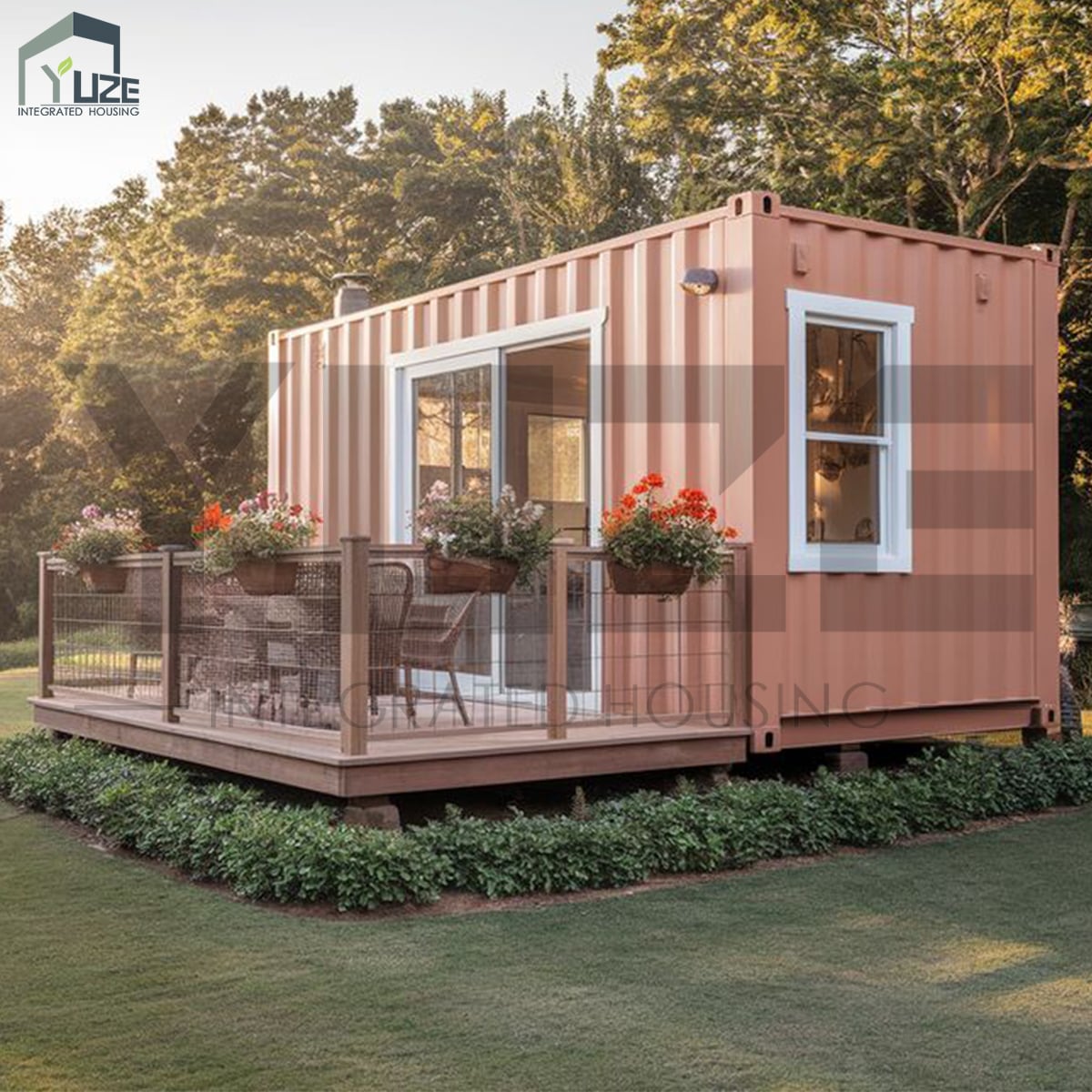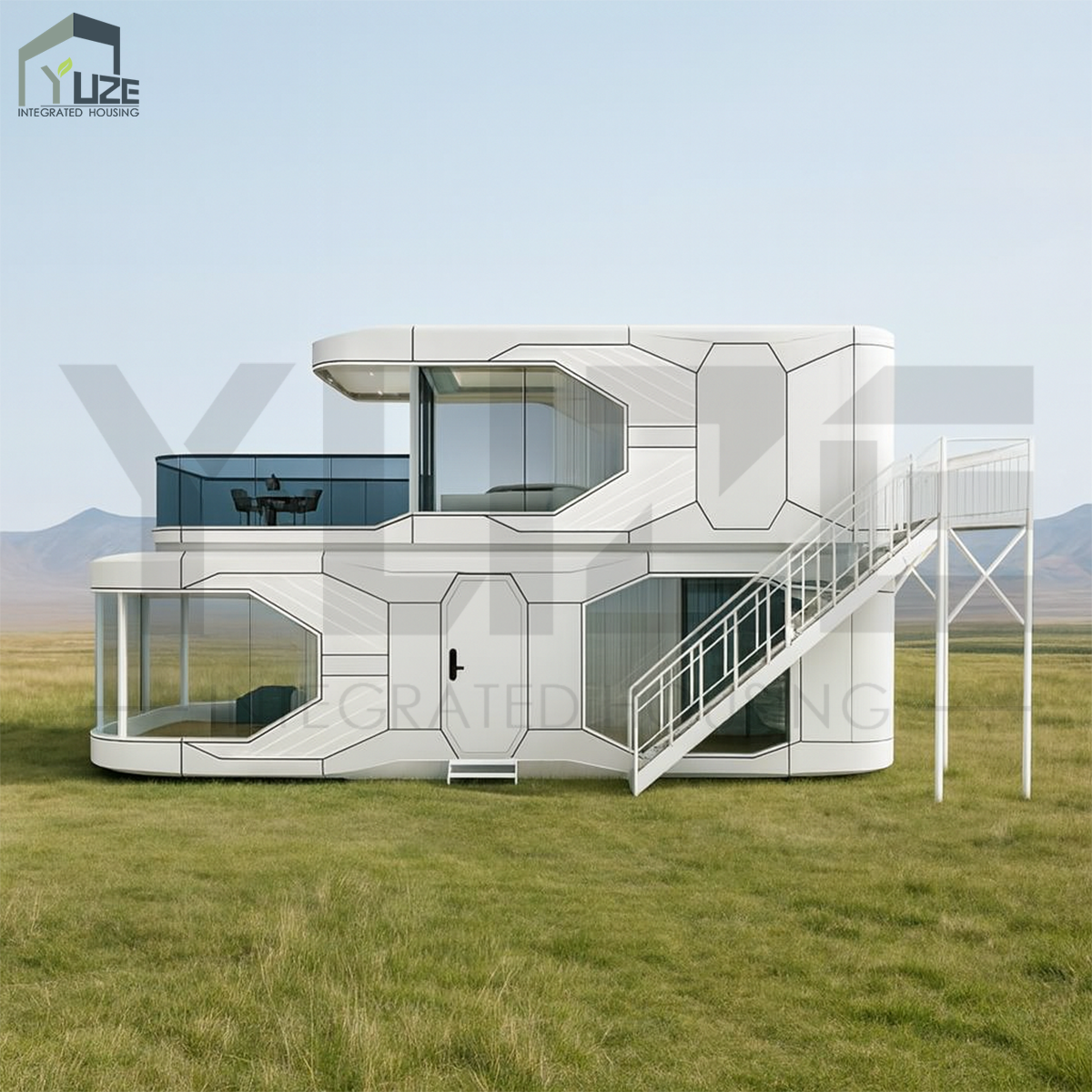
Capsule houses optimize limited space through distinct size categories. Standard tiers include:
| Size Tier | Square Footage | Typical Occupancy | Key Features |
|---|---|---|---|
| Small | 96—250 sq ft | 1—2 occupants | Foldable beds, integrated wet pods, loft storage |
| Medium | 251—400 sq ft | 2—3 occupants | Kitchenettes, multi-functional furniture, zoned living |
| Large | 401—500 sq ft | Small families | Separate bedrooms, living areas, balconies |
| Custom | 500+ sq ft | Flexible configurations | Bespoke layouts with premium amenities |
Small units prioritize efficiency with vertical storage solutions, while medium sizes incorporate movable partitions for adaptable zones. Large designs support family living, with custom builds enabling structural extensions like attached greenhouses or offices.
Modular steel frames make it easier to resize those capsule houses all while sticking to proper engineering specs. The parts are built in factories where they hit exact measurements thanks to ISO 9001 quality control. These interlocking wall panels can be adjusted either wider or taller by four feet at a time. When it comes to connecting everything together, bolts do most of the heavy lifting. They spread out weight properly so the whole structure stays solid when expanded, no matter how many stories tall it gets. What's really nice is these standardized connections let builders attach things like solar ready roofing systems or wheelchair accessible doors right onto the frame. And best part? None of this fancy stuff weakens the overall strength of the building.
When it comes to capsule houses, their size has to fit within what roads can handle around the world if we want to keep things moving smoothly without unnecessary costs or safety issues. Take the United States for example where highways generally won't allow anything wider than about 2.6 meters or roughly 8.5 feet. Go beyond that and suddenly there's paperwork involved, extra vehicles needed for protection, plus someone has to check out the whole route beforehand. Europe actually has an even tighter rule at just 2.55 meters across. Down under in Australia they're slightly more flexible allowing up to 2.5 meters in width and going as tall as 4.3 meters. When loads get too big though, problems start piling up fast from potential bridge crashes to damaged roads and backed up traffic everywhere. Because of these headaches, most makers build their modular homes in parts that can be transported separately. And when something does end up needing multiple trips due to oversized dimensions, expect deliveries to take anywhere between two to three extra weeks compared to regular sized shipments.
Zoning regulations and Accessory Dwelling Unit (ADU) rules have a major impact on what's possible when building capsule houses. Cities generally limit ADUs to somewhere around 600 to 1,200 square feet, while height restrictions usually fall between about 16 and 25 feet. These limits help maintain the character of neighborhoods and ensure buildings don't block too much sunlight. Property setbacks are another consideration too. Most places require at least 1.5 meters but sometimes up to 4.5 meters away from property lines, which cuts into available space for construction. Things get even trickier in areas prone to wildfires, especially in places like California where extra clearance requirements can take away 15% to 20% of usable land. Failure to follow all these rules often leads to denied permits or having to completely relocate projects. And let's not forget certain coastal areas or floodplains where capsule houses might be banned altogether. That's why checking local codes before breaking ground is absolutely essential for anyone planning such a project.
Small capsule homes below 250 square feet focus on making rest areas efficient by stacking things vertically. The main sleeping area features a queen sized bed that folds away, plus storage underneath the mattress itself, which clears out most of the floor space when someone is awake. There's also this compact bathroom setup that combines shower, sink, and toilet functions into one unit taking up around 15 square feet thanks to special waterproof building techniques. For extra storage, there are shelves mounted high above where people sleep, little tables that slide out from windowsides, and magnetic strips along walls to hold kitchen tools. These tiny living spaces work really well for single people working in cities since they can switch from bed to desk pretty quickly and everything needed for daily life stays within easy reach without having to walk far between rooms.
Capsule homes of moderate size manage to squeeze out separate areas from tiny spaces. Walls aren't really walls here but movable panels that let folks switch between bedroom, office, and eating area as needed. What makes these places work are those clever furniture items scattered throughout. Take the Murphy bed that folds right into a desk surface, or the dining table that slides out from under the kitchen counter when company comes over. Even the stairs leading to upper lofts have hidden storage compartments underneath them. Up top, clothes hang on tracks running across the ceiling while appliances tuck away behind doors that drop down from nowhere. The whole setup lets couples handle their jobs from home while still being able to entertain friends at the same time. It's all about making space do double duty without everything feeling cramped together.
Picking the right capsule house size really comes down to matching how much space someone actually needs with what they do every day and what matters most to them personally. Solo living situations or people who travel a lot tend to find that small spaces around 150 square feet work best since everything gets packed into one area including bed, storage spots, and basic necessities. This makes sense if moving around is important or money is tight. When couples live together or someone works from home remotely, going for something bigger between 250 to 400 square feet becomes better because there's room for separate sleeping areas, places to work at, and spots to relax without feeling cramped all day long thanks to clever furniture arrangements and making good use of vertical space. For families or folks with hobbies that require different rooms for different activities, looking into special made-to-order setups might be necessary. These can grow over time without compromising stability. Think about what absolutely cannot be compromised: Are friends coming over regularly? Is there a need for a fixed workstation somewhere? Getting answers to these questions helps figure out if sleeping area should come first, or maybe flexible floor plans, or being able to expand later on.

Guangzhou Yuze Integrated Housing Co., Ltd.
Copyright © Guangzhou Yuze Integrated Housing Co., Ltd. - Privacy policy

 EN
EN