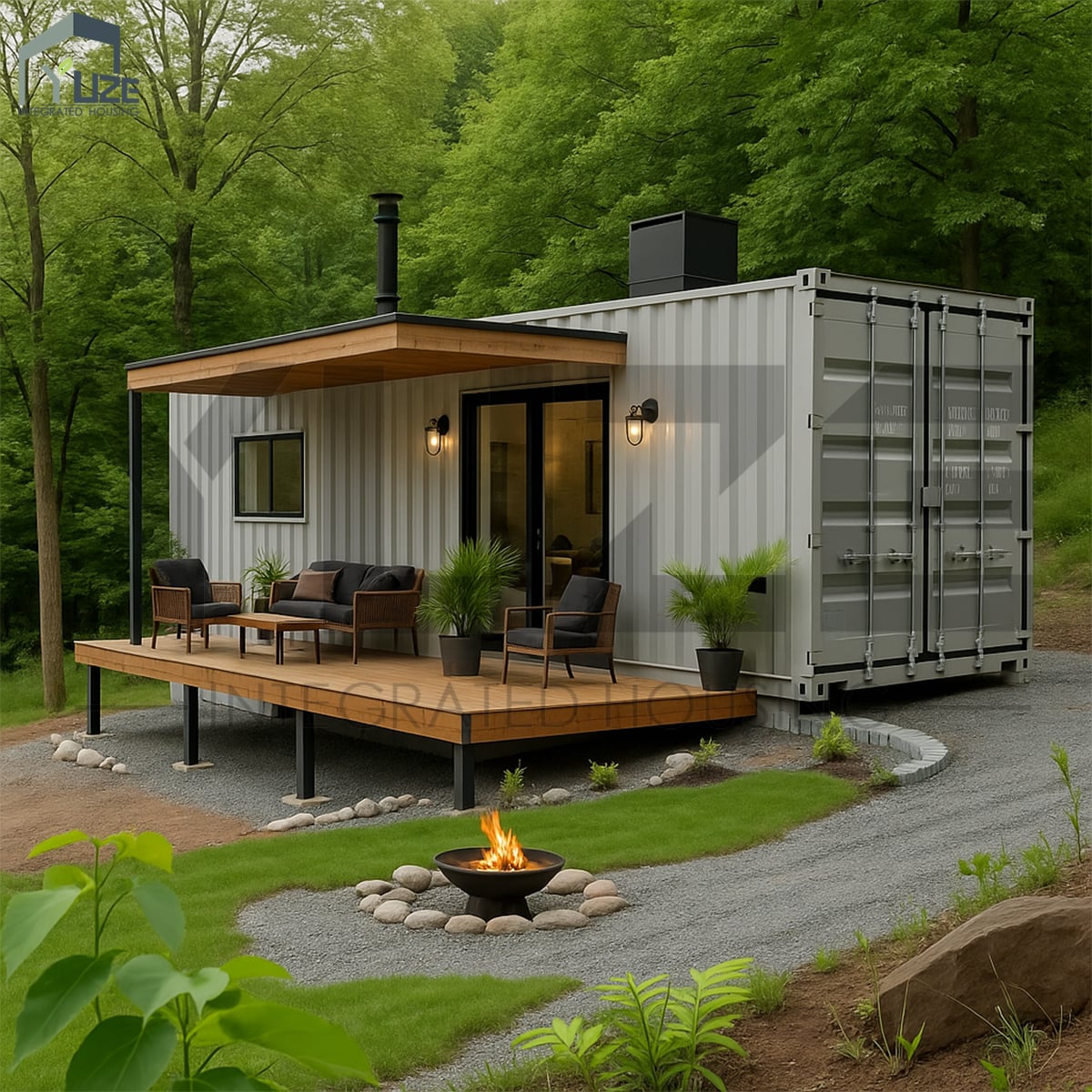
Space capsule houses are redefining luxury micro-accommodations at alpine and coastal resorts. These compact units—typically 20–60 square meters—feature floor-to-ceiling windows that frame dramatic mountain or ocean vistas. Their modular, lightweight construction allows placement on previously unusable terrain, such as steep slopes or rocky shorelines, with minimal site disruption and no heavy foundation work. Inside, guests enjoy premium amenities including heated floors, spa-style bathrooms, and smart climate controls. Off-grid models integrate solar panels and rainwater harvesting, enabling seamless integration into sensitive natural environments. This blend of exclusivity, novelty, and sustainability appeals strongly to high-end travelers seeking solitude and immersive experiences—helping resorts sustain occupancy rates above 85% even during shoulder seasons. The distinctive, futuristic aesthetic also fuels organic social media engagement, effectively serving as free, high-impact marketing. By deploying these movable villas, properties gain scalable, low-risk capacity expansion without the timelines or capital intensity of traditional lodge builds.
Space capsule houses significantly extend the operational season for glamping sites. With insulated walls and efficient HVAC systems, they remain comfortable year-round—enabling bookings from late autumn through early spring, adding up to three months of revenue. Unlike traditional tents, each unit is fully self-contained, featuring kitchenettes, private bathrooms, and precise climate control—meeting modern guest expectations for comfort and convenience, even in remote settings. Installation is rapid: a single unit can be sited and commissioned in under a day, with negligible landscape impact. Operators report average daily rates 20–30% higher than standard cabins, driven by perceived uniqueness and strong visual appeal on platforms like Instagram and Airbnb. Low-maintenance aluminum and composite frames resist corrosion, pests, and weather degradation, while off-grid configurations reduce utility costs and resonate with eco-conscious travelers. Because units are relocatable, operators can dynamically shift inventory to follow seasonal demand—turning a traditionally seasonal business into a resilient, year-round destination attractive to remote workers, digital nomads, and sustainability-focused guests.
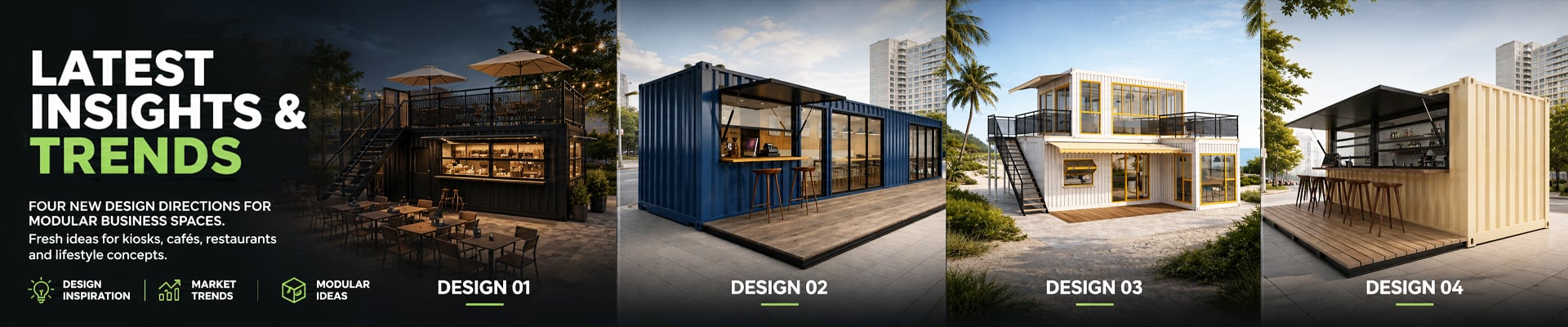
Beyond hospitality, space capsule houses are gaining traction across dynamic commercial sectors—from brand activations to transit infrastructure—leveraging their portability, speed of deployment, and high-impact design.
Retailers and cultural institutions deploy space capsule houses as turnkey pop-up stores and exhibition pods. Their sci-fi silhouette instantly draws attention and encourages social sharing—making them ideal for product launches, art installations, and seasonal markets. Interiors are fully customizable: integrated lighting, modular shelving, and embedded digital displays can be configured in hours. Since units are relocatable and require no permanent build-out, brands can test markets, rotate between festivals, or reposition near high-footfall zones without long-term lease commitments. A leading provider found that a capsule-based pop-up in a city square generated a 40% increase in walk-in engagement versus a conventional tented booth—demonstrating how immersive, architecture-led design directly enhances customer interaction and campaign ROI.
Transit hubs prioritize space efficiency, durability, and operational reliability—exactly where space capsule houses excel. Designed for footprints under 20 sqm, they function as ticket kiosks, information centers, grab-and-go food outlets, or compact lounges without impeding passenger flow. Their self-contained mechanical systems simplify power, data, and climate integration, while robust materials ensure security and longevity in high-traffic environments. In Asia, a major airport operator deployed capsule pods for mobile accessory retail, achieving a 25% uplift in per-square-meter revenue compared to cart-based alternatives. Crucially, the units can be relocated during terminal renovations or seasonal demand shifts—preserving capital flexibility while maximizing returns on underutilized concourse space.
Factory-prefabricated space capsule houses arrive on-site up to 90% complete—reducing total project timelines from months to just 7–14 days. This speed enables phased, data-informed portfolio growth: operators can deploy five units, assess performance metrics (occupancy, guest feedback, revenue yield), then scale confidently to 20+ without disrupting existing operations. Relocation within a single property costs $500–$1,200 per unit, supporting agile site testing and optimization. A 2023 case study by a leading manufacturer documented a resort’s expansion from 8 to 30 capsules over three seasons—achieving 92% guest satisfaction while capturing consistent year-round demand. Stacking identical modules in tight footprints cuts land preparation and civil works by up to 40%, accelerating time-to-revenue and improving capital efficiency across every new cluster.
On short-term rental platforms, capsule accommodations consistently lead in the “unique stays” category. Well-located units achieve median occupancy rates of 82–88%, with average daily rates 15–25% higher than conventional glamping pods. A 2024 analysis of 50 North American listings showed gross annual revenue of $28,000–$35,000 per unit—driven by premium pricing during off-peak periods and sustained guest review scores above 4.9/5. With upfront costs often 30% lower than stick-built tiny homes and minimal ongoing maintenance, payback typically occurs within 2.5–3 years. For long-term residential rentals, stabilized yields of 8–11% are common in suburban and scenic markets—validating space capsule houses not only as an operational innovation but as a disciplined, scalable real estate strategy.
A space capsule house is a compact, modular accommodation or structure designed for various purposes including hospitality, glamping, commercial use, and transit infrastructure. They are typically lightweight, relocatable, and come with modern amenities.
Resorts use space capsule houses as luxury micro-accommodations, integrating high-end features such as heated floors, spa-style bathrooms, and smart climate controls. Their modular design allows placement in challenging environments while minimizing ecological impact.
Space capsule houses extend seasonal operations with insulated and climate-controlled units, increase average daily rates, and reduce maintenance costs due to durable materials. They are relocatable, providing operational flexibility and higher revenue potential.
Yes, these houses are popular in commercial applications such as pop-up stores, exhibition pods, and compact installations at transit hubs due to their portability, speed of deployment, and eye-catching design.
Capsule houses are factory-prefabricated, reducing build timelines and operational disruptions. Their relocatable nature supports agile testing, site optimization, and phased expansions, delivering high ROI in short-term rentals and commercial use.
Many models are designed to be eco-friendly, incorporating solar panels, rainwater harvesting systems, and low-impact installation methods that preserve natural landscapes and reduce utility costs.

Guangzhou Yuze Integrated Housing Co., Ltd.
Copyright © Guangzhou Yuze Integrated Housing Co., Ltd. - Privacy policy

 EN
EN