Transforming your prefab capsule house concept into a production-ready design follows five critical stages. This structured workflow minimizes errors while ensuring your vision aligns with manufacturing realities.
The journey begins with concept alignment, where designers translate your requirements into precise technical specifications. Next, technical feasibility analysis—using validated 3D modeling tools—identifies structural, material, or dimensional constraints early. During engineering approval, licensed professionals verify load calculations and compliance with the International Building Code (IBC) and local regulatory frameworks. Production planning then sequences fabrication steps, coordinates material procurement, and accounts for supplier lead times. Finally, quality assurance sign-off includes prototype stress-testing, tolerance verification, and final inspection against ISO 9001 standards. Modular construction efficiency studies confirm this phased approach prevents up to 80% of late-stage redesigns.
Involving fabrication experts during Stage 1 cuts project delays by 35% on average. Their frontline knowledge uncovers sourcing bottlenecks—such as specialty insulation or custom window lead times—enabling proactive mitigation. Input on production-line constraints also prevents costly, last-minute design revisions that typically inflate budgets by 12–18%. Early collaboration ensures your prefab capsule house balances aesthetic intent with factory assembly logic—turning conceptual ambition into buildable reality.
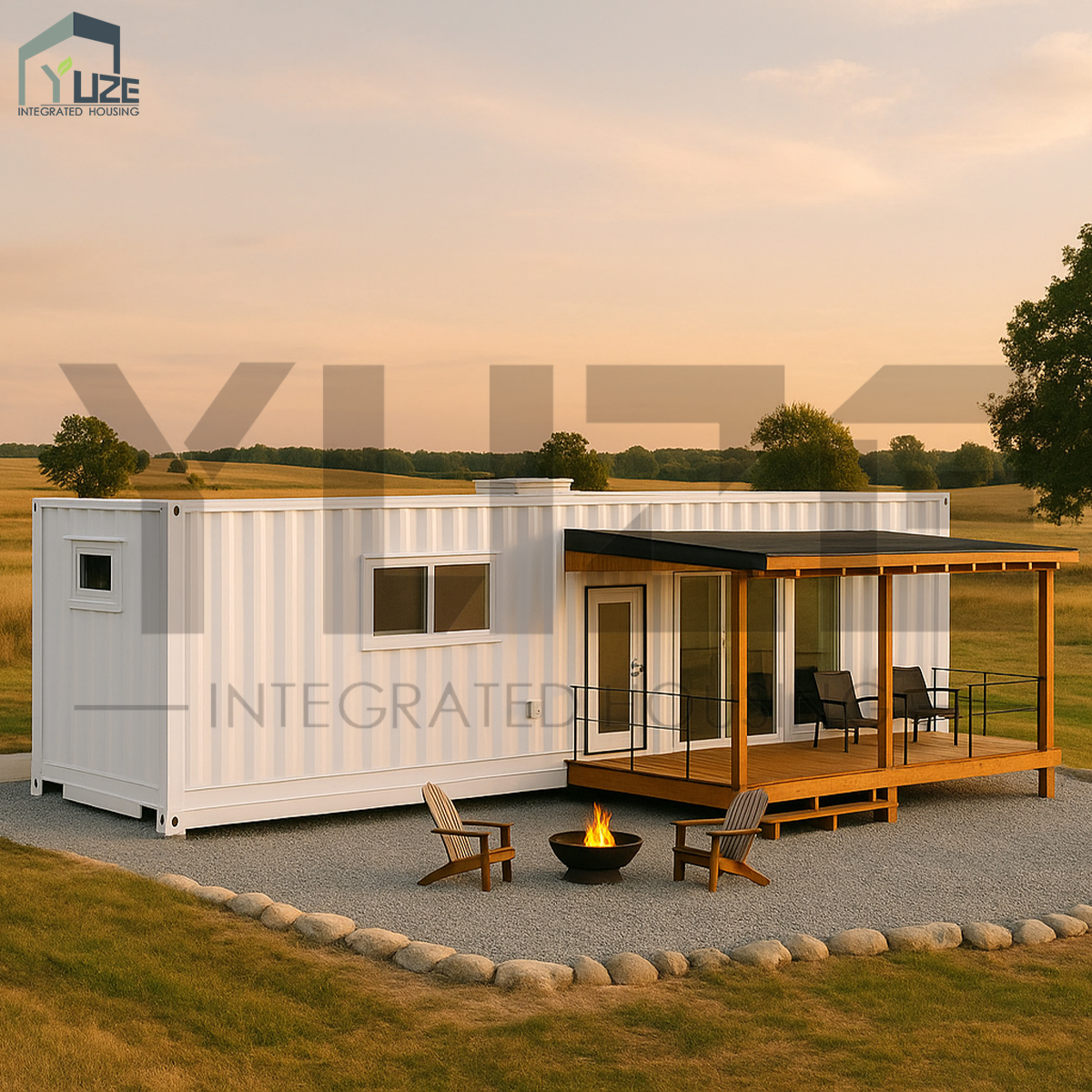
Architects maximize functionality in compact prefab capsule house designs through strategic spatial zoning. By dividing 20–40 m² interiors into distinct yet fluid activity areas—sleeping, living, and utility zones—they preserve privacy without sacrificing openness. Optimized layouts increase usable space efficiency by 32% versus conventional partitioning (Modular Building Institute, 2023). Key strategies include:
This methodology transforms tight footprints into ergonomic, purpose-built environments—ideal for remote workspaces, hospitality micro-units, or starter homes.
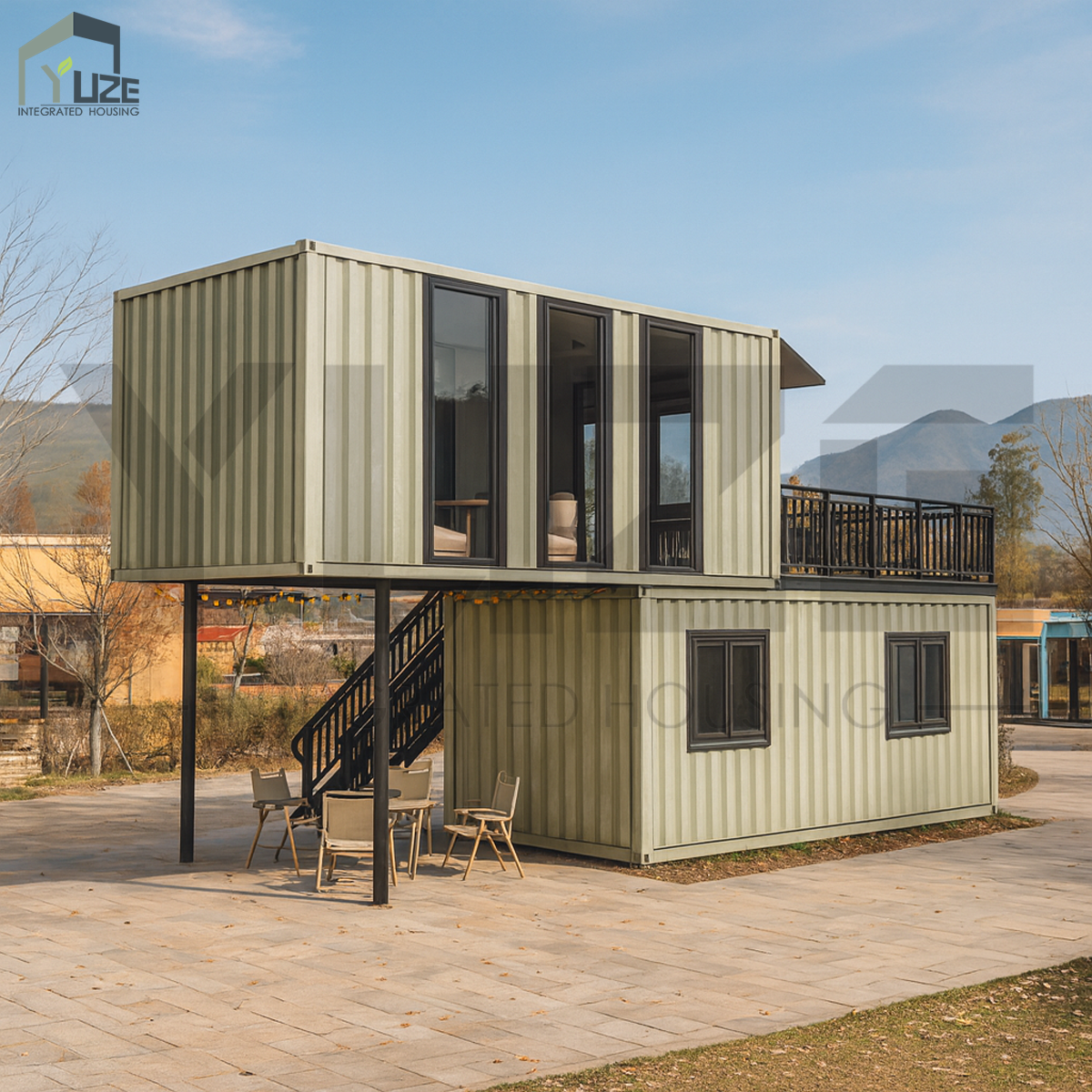
Structural customization extends prefab capsule houses beyond single-unit applications. Factories reinforce steel connectors and floor diaphragms to support three primary expansion models:
Engineers apply ASTM E2126 standards to validate load-bearing capacity, seismic resilience, and wind resistance across all configurations. When developers embed scalability into initial planning—not as an afterthought—project timelines shorten by an average of 18 weeks, per prefabrication lifecycle analyses.
The exterior envelope defines your prefab capsule house’s energy performance, durability, and visual identity. Strategic insulation tuning balances thermal efficiency with environmental resilience—critical for maintaining consistent indoor temperatures while resisting heat loss, moisture intrusion, and thermal bridging. Properly sealed, high-performance envelopes reduce HVAC energy consumption by 30–40% annually (U.S. Energy Information Administration, 2023). Rainscreen cladding systems support both ventilation management and expressive facade design. In subarctic climates, vacuum-insulated panels (VIPs) deliver R-25 per inch without sacrificing interior volume; in Mediterranean contexts, reflective metal skins paired with thermal breaks mitigate solar gain while preserving clean architectural lines.
Eco-conscious customization prioritizes materials that merge sustainability with structural integrity and long-term performance. Cross-laminated timber (CLT) sequesters approximately 1 ton of CO₂ per cubic meter and enables rapid, low-waste assembly. Recycled aluminum cladding requires 95% less energy than virgin production and resists coastal corrosion without protective coatings. For ultra-efficient insulation, vacuum-insulated panels (VIPs) achieve R-values up to R-50 per inch—making them ideal for space-constrained capsule designs where every millimeter counts. Collectively, these material choices reduce embodied carbon and operational emissions by 60–70% compared to conventional builds (United Nations Environment Programme, 2023), aligning high-performance outcomes with measurable environmental responsibility.
Smart technology transforms compact interiors in prefab capsule houses—not as novelty, but as necessity. Integrated systems manage lighting, temperature, security, and appliance operation through centralized, user-configurable interfaces, reducing energy waste by up to 30% while eliminating visual clutter. Space-saving innovations include:
Intelligent zoning preserves usability in 20–40 m² footprints: automated lighting scales brightness based on natural light levels, and circadian-responsive controls support occupant well-being. Customizable modules synchronize with daily routines—enhancing comfort, accessibility, and adaptability without compromising spatial flow. This holistic integration of responsive technology and ergonomic design is foundational to modern micro-living efficiency.
The design process consists of five stages: concept alignment, technical feasibility analysis, engineering approval, production planning, and QA sign-off.
Early engagement with manufacturers reduces project delays by 35% on average and prevents costly late-stage design revisions, which can inflate budgets by 12–18%.
Modular scalability enables customization beyond single-unit applications, supporting vertical stacking, cluster formations, and hybrid systems. These methods shorten project timelines and enhance design versatility.
Sustainable materials include cross-laminated timber (CLT), recycled aluminum, and vacuum-insulated panels (VIPs), which reduce embodied carbon and operational emissions.
Smart technology integrates lighting, temperature, security, and appliance controls through centralized systems, optimizing energy use and enhancing space efficiency.

Guangzhou Yuze Integrated Housing Co., Ltd.
Copyright © Guangzhou Yuze Integrated Housing Co., Ltd. - Privacy policy

 EN
EN