Zoning ordinances frequently classify container homes as accessory dwellings or non-conforming structures—triggering compliance checks that directly depress resale value. A 2023 survey of municipal planning departments found that 42% of alternative-housing permit applications face delays exceeding six months, and one in four are rejected outright on zoning grounds. These setbacks erode marketability: buyers discount properties with uncertain use rights, and appraisers flag unpermitted modifications as functional obsolescence. Setback requirements, minimum square footage mandates, and aesthetic standards—common in residential zones—often conflict with the industrial footprint of shipping containers. Even when a variance is granted, its conditional nature can disqualify the property from conventional financing, narrowing the buyer pool. Legal fees, redesign costs, and holding expenses may erode equity by 12–18% (National Association of Realtors, 2022). Without a clear, fully permitted pathway, a container home becomes a high-risk asset—and depreciation follows.
A valid Certificate of Occupancy (CO) is the single most critical document for resale. Without it, the structure is legally uninhabitable, forcing any sale to proceed as land-only—a scenario that can reduce listing price by 35% or more (Urban Institute, 2023). Code compliance extends beyond the CO: electrical, plumbing, insulation, and structural modifications must meet the International Residential Code (IRC) as adopted locally. Inspectors verify proper welding, corrosion protection, and fire-rated assemblies; deficiencies can halt closings. Buyers and lenders view a missing CO as a red flag—it signals potential unpermitted construction, exposing new owners to fines, forced removal, or demolition. Achieving full compliance typically requires engineered stamps and third-party inspections, costing $3,000–$8,000 (2022 data). That investment separates a stigmatized teardown from a marketable, financeable dwelling.
How a container home is classified—real property or chattel—determines its financing, taxation, and title transfer. A home permanently affixed to a concrete foundation and tied to the land qualifies as real property, enabling standard mortgages, homestead exemptions, and lower property tax rates. In contrast, units on temporary blocks or wheels remain chattel—treated like manufactured homes without permanent foundations. Chattel classification excludes access to FHA, VA, and conventional loans; buyers must rely on higher-interest chattel loans (7–9%, versus 3–4% for mortgages, per 2023 averages). Annual depreciation runs faster for chattel assets—typically 5–7%—because the structure isn’t considered part of the land. Tax assessors may also levy personal property taxes, adding recurring cost. For resale, the distinction is decisive: chattel-classified units rarely appreciate, while real-property-classified ones can track broader market trends. Foundation choice, therefore, is a pivotal value driver.
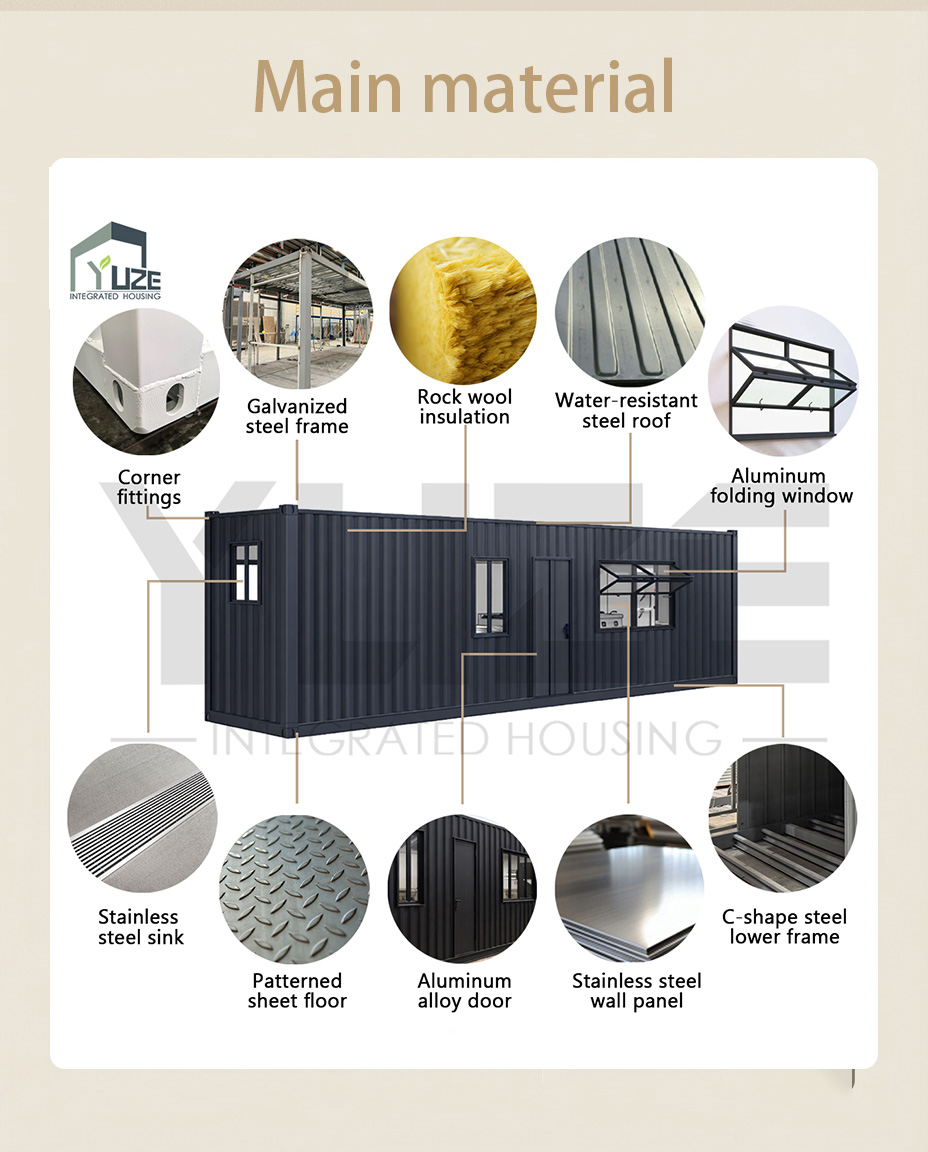
Appraisers and lenders treat structural modifications as a primary risk factor. Unpermitted DIY cuts for windows and doors often weaken the steel frame—with no documentation proving load paths were properly restored. Without stamped engineering plans and inspection records, the structure may be deemed non-conforming, blocking traditional mortgage financing and limiting sales to cash buyers. By contrast, homes built from permit-ready, engineer-reviewed plans demonstrate IRC compliance. These include reinforced headers, continuous load paths, and corrosion mitigation details—giving appraisers objective evidence to assign market value rather than apply discounts for deferred maintenance. Documented structural integrity builds appraisal confidence, supports stronger comparable sales, and streamlines resale.
Foundation choice determines legal classification: permanent concrete piers installed below the frost line and engineered for local soil conditions meet IRC Chapter 4 requirements and anchor the structure as real property. Temporary blocks or unanchored pads may seem economical but invite uneven settlement, moisture wicking, and accelerated corrosion—all of which degrade long-term value. Only a permanent, code-compliant foundation enables a Certificate of Occupancy, making the home eligible for appraisal, financing, and insurance. It also signals durability and code adherence to buyers—transforming the container home from a movable asset into a credible, long-term investment.
Securing a mortgage remains difficult because FHA, VA, and conventional lenders require a permanent foundation, a Certificate of Occupancy, and at least three recent comparable sales—data rarely available for non-traditional builds. Absent these, lenders label the property “unique,” pushing borrowers toward portfolio loans, construction-to-permanent financing, or builder-backed notes—often at rates 1–2 percentage points above conventional mortgages. Insurance adds another layer: standard homeowners’ policies seldom cover steel-frame dwellings, and specialty coverage can cost 30–40% more annually due to underwriters’ concerns about corrosion, wind uplift, and valuation uncertainty. These combined barriers shrink the buyer pool and suppress resale liquidity.
Buyer stigma functions as a hidden depreciation lever. Surveys of real estate professionals show 62% of prospective purchasers associate container homes with industrial aesthetics, moisture issues, or residual toxins—leading them to mentally discount the property by 10–15% relative to comparable wood-frame homes. Perceived tear-down liability—the assumption future owners may demolish rather than renovate—can further slash appraised value by $20,000–$30,000. This “disposability” stigma, paired with thin resale markets, results in longer listing periods and a persistent 3–5% annual value gap versus code-compliant traditional homes, per regional housing analyses (2023).
Resale trajectory hinges on proactive maintenance. Unchecked rust at cut edges or weld points rapidly compromises structural integrity, requiring marine-grade coatings and periodic touch-ups. Equally vital is insulation performance: moisture intrusion through poorly sealed joints fosters mold and corrosion—undermining energy efficiency and buyer confidence. Industry guidelines recommend budgeting 1–2% of the home’s value annually for inspections, sealant renewal, and drainage checks. When followed, these practices support a service life of 25–50 years. Documentation of repairs and upgrades strengthens appraisal credibility—turning maintenance records into tangible resale assets.
From 2019 to 2024, container homes underperformed stick-built residences, recording a median annual appreciation gap of –3.2%. While traditional homes gained 4–5% yearly, container conversions often stagnated—or lost value—in real terms. This divergence stems from a narrower buyer pool, ongoing lender skepticism, and enduring stigma around “temporary” structures. Even container homes on permanent foundations with full code compliance narrowed—but did not close—the gap. The data confirms that, absent exceptional location or design, container homes remain niche assets with limited price momentum—a reality owners must weigh against their lower upfront cost.
Zoning ordinances frequently classify container homes as accessory dwellings or non-conforming structures, triggering compliance checks that can significantly hinder resale value and marketability.
Without a Certificate of Occupancy (CO), a container home is legally uninhabitable, forcing the sale to proceed as land-only, which could reduce the listing price by 35% or more.
Container homes classified as real property (permanently affixed to the land) can qualify for standard mortgages, while homes classified as chattel typically rely on high-interest loans and depreciate faster.
Yes, unpermitted DIY modifications can weaken structural integrity and make the home non-conforming, blocking traditional mortgage financing and limiting resale options.
A permanent, code-compliant concrete foundation anchors the container home as real property, enabling appraisal, financing, and insurance, and improving long-term durability.
Owners should budget 1–2% of the home’s value annually for rust prevention, insulation checks, and drainage upgrades, which support a service life of 25–50 years.

Guangzhou Yuze Integrated Housing Co., Ltd.
Copyright © Guangzhou Yuze Integrated Housing Co., Ltd. - Privacy policy

 EN
EN