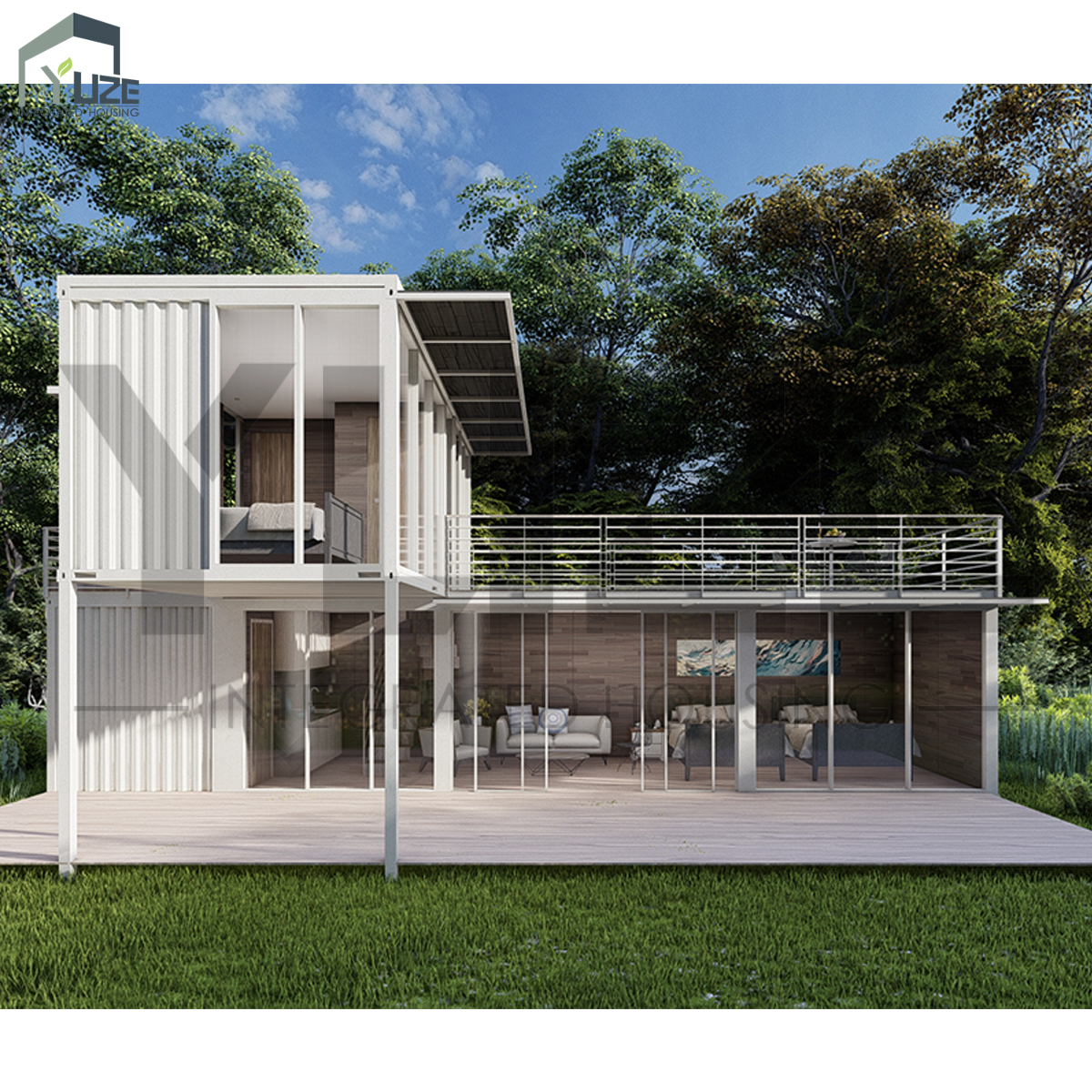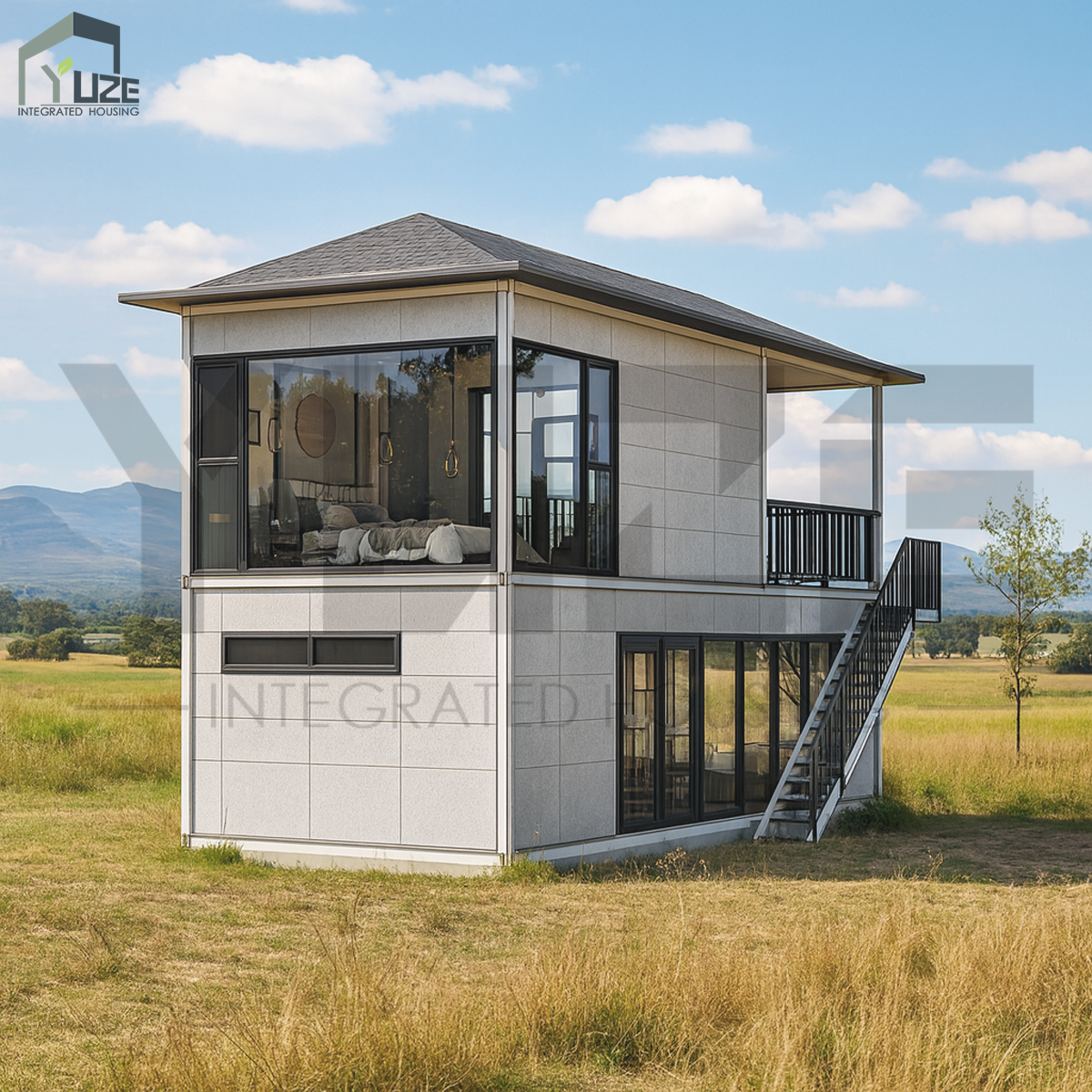
May apat na pangunahing uri ng mga bahay na nakapre-fabricate, na lahat ay iba't ibang paraan ng pagkakagawa depende sa kung ano ang gusto ng isang tao para sa kanilang tirahan. Ang mga manufactured homes ay buong ginagawa sa loob ng mga pabrika at nakalagay sa mga bakal na frame na madalas nating makita, at sumusunod ito sa mahigpit na pederal na HUD codes dahil kailangang mailipat ang mga bahay na ito kapag inihahatid. Mayroon ding modular homes na binubuo ng tatlo hanggang limang malalaking bahagi na ginawa rin sa pabrika, ngunit imbes na buo ang ililipat, ito ay pinagsasama-sama sa lugar mismo sa permanenteng pundasyon. Nagbibigay ito ng halos walang katapusang posibilidad sa pagdidisenyo ng pangarap na tahanan. Ang panelized homes naman ay gumagamit ng mga ready-made na pader at bubong na mabilis na maihaharap kapag nakarating na sa lugar, na nagbibigay sa mga may-ari ng isang balanse sa pagitan ng lubos na pagpapasadya at mabilis na pagkakabit. Huli na, ang kit homes ay naglalaman ng iba't ibang uri ng mga pre-cut na materyales na angkop sa mga taong gustong magtayo mismo o sa mga kontraktor na nais manatiling aktibong kasali sa buong proseso ng paggawa.
Ayon sa kamakailang datos sa industriya, humigit-kumulang 62 porsiyento ng mga kumpanya ng prefab ay nagfo-focus eksklusibo sa isang uri lamang ng disenyo ng tahanan, na nagpapahalaga ng paghahanap ng tamang tugma. Ang mga tagabuo ng modular ay maaaring walang kinakailangang kakayahan para sa HUD-approved na manufactured homes, samantalang ang mga tagapagbigay ng kit home ay mas nakatuon sa mga materyales kaysa sa pagbibigay ng kompletong solusyon. Habang naghahanap, hanapin ang mga tagagawa na may kinalaman sa humigit-kumulang 10 hanggang 15 natapos na proyekto na katulad ng gusto mo. Nagbibigay ito ng mas malinaw na ideya tungkol sa kanilang kakayahan at kung talagang nauunawaan nila ang partikular na pangangailangan ng iba't ibang pamamaraan sa paggawa ng bahay.
Malaki ang impluwensya ng lokal na regulasyon sa pagbuo at mga materyales na madaling magagamit sa lugar kung saan nagtatayo ang mga supplier. Halimbawa, sa mga modular home, karamihan sa mga kumpanya ay nasa malapit sa malalaking lungsod kung saan mataas ang demand sa pabahay. Samantala, ang mga tagagawa ng panelized home ay kadalasang nasa mga lugar na may sagip ng kagubatan dahil kailangan nila ng madaling access sa mga likas na bato tulad ng kahoy. Batay sa mga kamakailang datos sa industriya, halos 4 sa bawat 10 supplier ang nagsimula nang isama bilang karaniwan ang mga tampok na nakatitipid ng enerhiya tulad ng SIPs o Structural Insulated Panels. Makatuwiran ang pagbabagong ito dahil sa labis na atensyon na ibinibigay ng mga konsyumer ngayon sa paggawa ng kanilang mga tahanan na mas ligtas sa kalikasan at ekolohikal.
Ang pagtingin sa mga gawa na nga isang kumpanya ng prefab na bahay ay marahil ang pinakamagandang unang hakbang sa pagtatasa sa kanila. Ang mga nangungunang kumpanya ay karaniwang mayroong humigit-kumulang 50 hanggang 100 iba't ibang proyekto na nakalista online, na sumasaklaw sa lahat ng uri ng disenyo ng bahay. Kasama nila karaniwan ang medyo detalyadong impormasyon tungkol sa tagal ng bawat proyekto mula sa paunang plano hanggang sa paglipat na ng mga tao. Kapag sinusuri ang mga kumpanya, nakakatulong na hanapin ang mga nagtrabaho sa iba't ibang bahagi ng bansa. Ang mga supplier na gumagana sa sampung o higit pang estado ay karaniwang mas mahusay sa pagharap sa lokal na isyu, maging ito man ay malakas na pagbundok ng niyebe o mga bahay malapit sa baybayin kung saan maaaring problema ang kahalumigmigan.
Kumpirmahin ang aktibong lisensya sa pamamagitan ng database ng kontraktor ng iyong estado, pagkatapos ay i-cross-reference ang mga sertipikasyon tulad ng membership sa Factory-Built Housing Council o pakikipagsosyo sa ENERGY STAR. Ang mga supplier na sumusunod sa 2023 IECC energy codes ay nagpapakita ng 18% mas mataas na rate ng compliance sa mga inspeksyon ng third-party kumpara sa mga walang sertipikasyon.
Suriin nang malalim ang feedback sa HomeAdvisor, BBB, at mga naisusuking platform tulad ng Modular Home Owners Group. Ang tunay na mga review ay binabanggit ang tiyak na interaksyon (“Naresolba nila ang mga isyu sa permit ng pundasyon sa loob lamang ng 72 oras”) imbes na pangkalahatang papuri. Ang mga supplier na may average na rating na 4.3 pataas batay sa mahigit 50 na review ay may istatistikal na 91% na on-time na pagkumpleto.
Suriin ang mga promotional na pahayag laban sa mga talaan ng permit—ang isang supplier na nagsasabing “300+ taunang pag-install” ay dapat may katumbas na mga aprubasyon mula sa munisipalidad. Bantayan ang mga hindi pagkakatugma tulad ng paulit-ulit na paggamit ng mga larawan ng proyekto sa iba't ibang rehiyon o mga walang tiyak na timeline na kulang sa mga petsa ng milestone ng inspeksyon.
Kailangan ng mga tagapagtayo ng prefab na bahay na sundin ang lokal na mga alituntunin sa paggawa at pamantayan sa kaligtasan depende sa lugar kung saan sila gumagawa. Para sa mga manufactured homes, ang HUD codes ang ipinapatupad, samantalang ang modular units ay karaniwang sakop ng IRC regulations. Ayon sa isang kamakailang ulat ng NAHB noong 2023, humigit-kumulang tatlo sa apat na problema sa modular homes ay nauugnay sa tamang pagsunod sa mga code sa panahon ng pagmamanupaktura. Dapat talagang suriin ng mga may-ari kung ang napiling tagapagtayo ay may espesyal na proseso para sa mga rehiyon na banta ng lindol o bagyo. Sa huli, ang pagtira sa lugar na mataas ang panganib sa hangin o madalas ang paglindol ay nangangailangan ng karagdagang pag-iingat upang matiyak ang kaligtasan at kapayapaan sa mahabang panahon.
Ang mga nangungunang tagagawa ay nagpapatupad ng mga sistema sa pamamahala ng kalidad na sertipikado sa ISO 9001 upang bawasan ang mga depekto ng materyales ng 43% (Modular Building Institute 2024). Kasama sa mga mahahalagang checkpoint ang pagsusuri sa kahalumigmigan para sa mga engineered wood component, pag-verify sa kakayahan ng panlaban sa bigat ng mga steel frame, at pagsusuri sa thermal performance para sa mga insulation package.
Ang mga independiyenteng inspektor ay kasalukuyang nagtatasa ng 92% ng mga proyektong modular home sa tatlong kritikal na yugto: paghahanda ng pundasyon, pagtitipon pagkatapos ng transportasyon, at pangwakas na koneksyon sa utilities. Binabawasan ng sistemang triple-check ang mga gastos sa pagbabago pagkatapos ng konstruksyon ng $18,600 sa average kumpara sa mga site-built homes (Prefab Quality Consortium 2023).
ang 46% ng mga supplier ay gumagamit na ng pinag-isang pamantayan sa konstruksyon sa maraming estado, tumaas mula sa 29% noong 2020. Ang pagpapantay-pantay na ito ay nagbibigay-daan sa murang pagsisidlan habang patuloy na sumusunod sa mahigpit na California Title 24 na kodigo sa enerhiya at sa mandato ng Florida para sa paglaban sa bagyo sa pamamagitan ng nababagay na balangkas sa disenyo.
Ang pagtingin sa mga naipakitang gawa ng isang kumpanya ng prefab na bahay ay maraming nagpapakita tungkol sa kanilang tunay na kakayahan. Ang mga larawan ang pinakamahalaga dito – ang mga imahe na may katamtamang kalidad ay nagpapakita kung solido ba ang mga materyales, lalo na sa mga bahagi kung saan nagkakakabit ang mga module. Makatutulong din ang mga video tour, dahil mas mainam nitong maipapakita ang daloy ng espasyo sa loob at ang mga detalye na mahalaga sa pang-araw-araw na pamumuhay. Habang sinusuri ang mga nakaraang proyekto, subukang hanapin ang mga gawa sa nakaraang ilang taon imbes na mga lumang proyekto. Nakakatulong ito upang makita kung may mga problema bang lumalabas sa paglipas ng panahon tulad ng pagkurba ng mga panel o pagpaputi ng pintura sa labas. Ang isang kumpanya na ang portfolio ay lumang-luma o walang sapat na iba't ibang disenyo ay posibleng hindi gaanong bihasa sa paggawa ng mga bahay na nakatipid ng enerhiya sa kasalukuyan.
Sulit ang gumugol ng oras upang bisitahin ang mga proyektong konstruksyon na kasalukuyang ginagawa o mga natapos nang modelong bahay kung maaari. Suriin nang mabuti ang mga puwang kung saan nag-uugnayan ang mga pader, kung paano talaga isinagawa ang pagkakalagay ng panlimbag (insulation), at kung ang buong istruktura ay magkakaayon nang maayos. Isa sa mga dapat bantayan? Ang mga puwang na mas malaki kaysa sa isang ikawalo pulgada sa pagitan ng mga panel ng pader ay karaniwang nagpapahiwatig ng mga problema dulot ng mabilisang gawaing modular construction. Makipag-usap din sa mga taong nakatira roon. Ayon sa ilang datos mula sa NAHB noong 2023, halos walo sa sampung mamimili ang nagsabi na napakahalaga ng makakuha ng tuwirang sagot mula sa mga tunay na gumagamit kapag pinipili nila ang kanilang mga supplier. Huwag kalimutang isulat ang mga detalye tungkol sa lokasyon ng mga heating system, kung gaano kahusay nakaseal ang mga bintana laban sa hangin, at kung paano nakakabit ang bubong sa iba pang bahagi ng istruktura. Ang mga obserbasyong ito ay makatutulong upang mapatunayan kung ano ang itinatayo ay tugma sa ipinangako sa mga materyales sa marketing.
Ang pagtingin sa mga limang kamakailang proyektong pang-konstruksyon ay nakatutulong upang matukoy ang mga uso sa mga gawi ng kontrol sa kalidad. Ang mga magagaling na tagapagtustos ay karaniwang nagpapanatili ng pagkakaiba sa grado ng materyales na nasa ilalim ng 5%, maging ito man ay kapal ng bakal sa konstruksyon ng balangkas o iba pang sangkap. Habang sinusuri ang pundasyon, hanapin ang pagkakapare-pareho sa kabuuan. Ang hindi pare-parehong pagpapahinto ng kongkreto o hindi maayos na pagkaka-align ng sill plate ay madalas na nagpapahiwatig ng mahinang pangangasiwa sa pabrika habang ginagawa. Ang mga kumpanyang pinatnubayan ang operasyon ay may mas mahusay na resulta. Humigit-kumulang tatlong-kapat ng mga tagagawa na may sertipikasyon na ISO 9001 ay nagpapakita ng tunay na pagpapabuti sa pagkakapare-pareho kapag gumagawa ng mga bahay na nakapre-build, na maintindihan dahil ang pamantayang proseso ay natural na nagdudulot ng mas kaunting depekto at kakailanganing i-rework.
Pinapaliit ng prosesong ito ng pagsusuri ang mga panganib sa pamamagitan ng pag-aayos ng mga kakayahan ng tagapagtustos sa teknikal na pangangailangan ng iyong proyekto.
Kapag tinitingnan ang mga sangkap sa paggawa ng isang bahay na nakapre-build, karamihan ay nakakakita ng karaniwang limang pangunahing gastusin na dapat isaalang-alang. Para sa mismong gusali, ang presyo ay maaaring mag-iba-iba batay sa paraan ng pagkakagawa nito. Ang modular homes ay karaniwang nagkakahalaga ng $120 hanggang $250 bawat square foot, samantalang ang panelized systems ay karaniwang medyo mas mura sa unang pagbili. Ang pundasyon ay karaniwang umaabot sa humigit-kumulang 15 hanggang 20 porsyento ng kabuuang gastos sa proyekto, na sumasaklaw sa mga bagay tulad ng pagsuri sa kalidad ng lupa at pagpapahinto ng kongkreto. Ang paghahanda para sa konstruksyon ay kasama ang pag-level sa lupa, pagkonekta sa mga kagamitang pang-utilidad, at paglalagay ng mga daanan, na maaaring magkakahalaga sa isang tao ng $5,000 hanggang $20,000 depende sa kalagayan ng terreno. At huwag kalimutan ang pagdadala ng bahay sa lugar mismo. Ang bayad sa pagpapadala ay lubos na nakadepende sa distansya ng biyahen at kung kinakailangan bang gumamit ng malaking kran upang i-unload ito sa mahirap na ma-access na lugar. Mayroon nga na nagastos ng higit sa $15,000 lamang para ilipat ang kanilang prefab house sa ibang bansa.
Higit sa mga inanunsyong presyo, isaalang-alang ang mga bayarin para sa permit ($1,500–$5,000), dagdag-singil para sa koneksyon ng utilities ($3,000+ sa mga rural na lugar), at mga upgrade sa insulation na nakabatay sa klima. Ayon sa isang industriya survey noong 2023, 23% ng mga prefab na proyekto ang lumagpas sa badyet dahil sa mga huli o hindi naplanong pagbabago sa disenyo. Palaging i-kumpirma kung kasama sa quote ang mga interior finishes o appliances.
Hatiin ang gastos sa apat na yugto:
Ang mga bahay na gawa sa pabrika ay kumokonsumo ng 30% mas kaunting enerhiya sa karaniwan kaysa sa mga katumbas na itinayo sa lugar, kung saan ang advanced SIPs (Structural Insulated Panels) at triple-glazed windows ay naging pamantayan. Hanapin ang mga supplier na sumusunod sa Leed o ENERGY STAR mga pamantayan—ang mga bahay na may ganitong sertipikasyon ay nabebenta muli nang 7–12% na mas mabilis ayon sa datos ng merkado noong 2024.
Ang limitasyon sa lapad ng transportasyon (karaniwang 16 talampakan para sa pagtugon sa kalsada) ay nakakaapekto sa mga opsyon sa disenyo. Bagaman ang 85% ng mga modular supplier ay nag-aalok na ng fleksibleng floor plan, ang mga pagbabago sa istruktura tulad ng cantilevered sections ay kadalasang nangangailangan ng espesyal na pag-apruba sa inhinyeriya. Bigyang-prioridad ang mga upgrade na nagpapataas ng pangmatagalang halaga, tulad ng mga bubong handa para sa solar o hurricane straps sa mga rehiyong madalas ang bagyo.

Guangzhou Yuze Integrated Housing Co., Ltd.
Karapatang Ari © Guangzhou Yuze Integrated Housing Co., Ltd. - PRIVACY POLICY

 EN
EN